
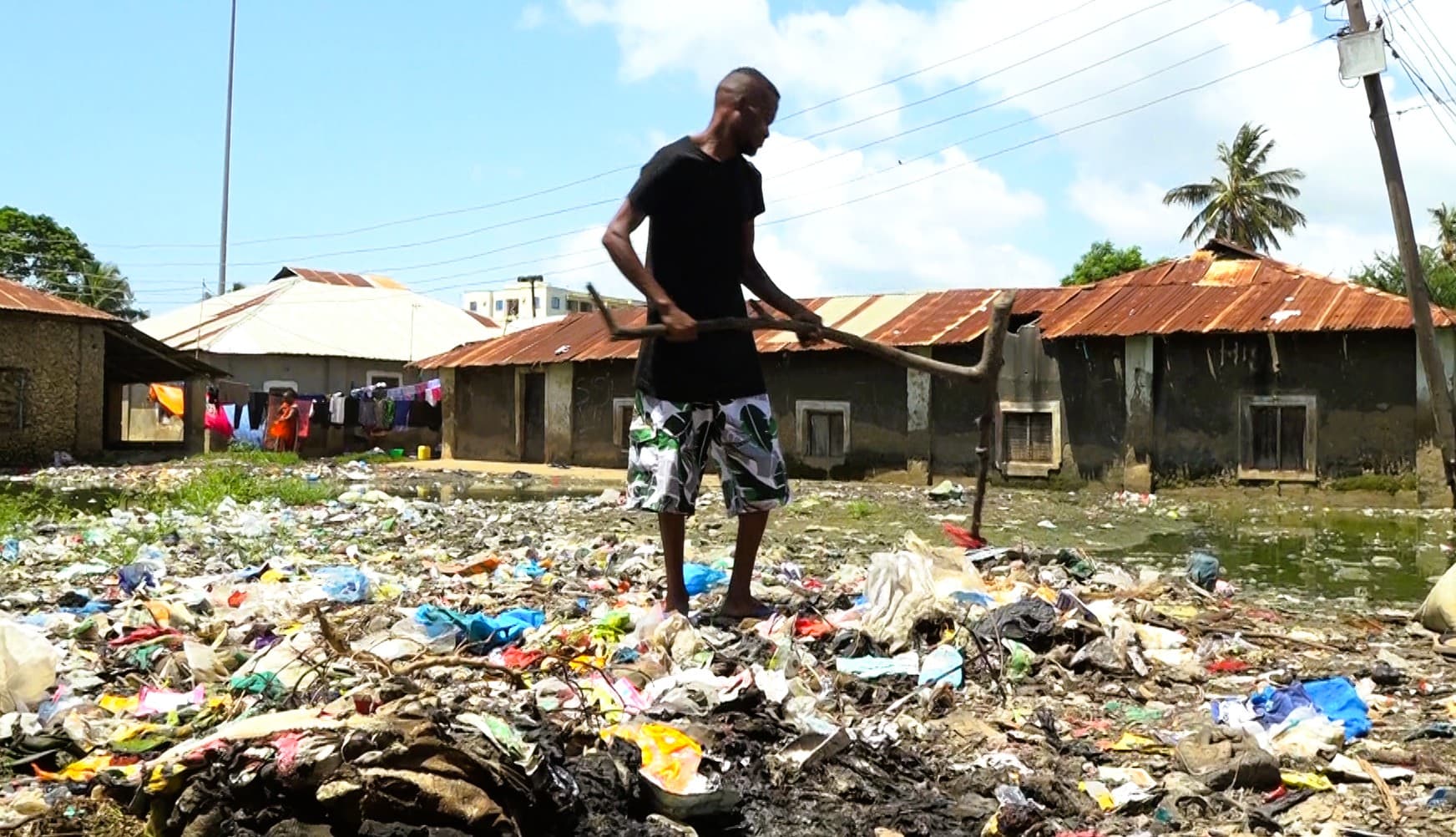
Residents of flood-prone informal settlements in Mombasa are stepping-up community-led efforts to avert flooding and protect their homes and livelihoods, as the El Niño rains approaches, amid fears of displacement and disease outbreaks.
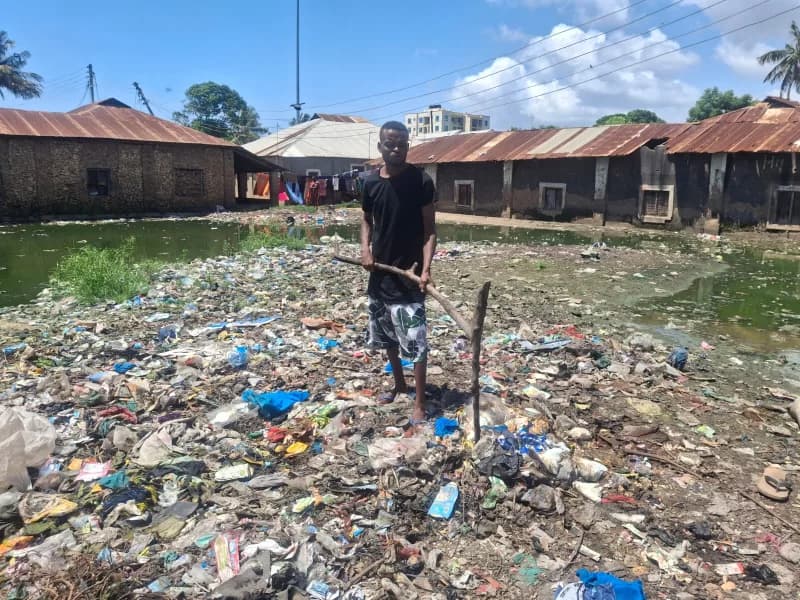
The residents, working with community-based organizations, are clearing blocked drainage systems, unclogging waterways and removing garbage that obstructs the flow of storm water in a proactive effort to minimize the impact of heavy rains.
Observers say community-led flood mitigation is a highly effective, grassroots approach to disaster risk reduction that transforms vulnerable residents from passive recipients of aid into active first responders.
The initiatives are also being strengthened through early warning systems,that provide residents with timely weather alerts, via mobile phone messages, community outreach volunteers, public barazas and local radio stations, to help households prepare for impending extreme weather events.
The interventions are being implemented under the Daraja programme, an early warning service partnership led by Resurgence in collaboration with local organisations and the Kenya Meteorological Service Authority (KMSA), which seeks to improve access to, understanding and use of weather and climate information among vulnerable communities.
Resurgence Project Manager, Pascal Mukanga, said the programme was helping communities; cities and countries strengthen their resilience to climate change, by ensuring weather information translates into practical action.
Mukanga said Daraja, which has been implemented since 2018 across Eastern Africa and other regions, focuses on improving access to reliable weather forecasts and ensuring vulnerable communities understand the information and act before disasters strike.
He noted that flooding, extreme heat, strong winds and waves, were among the major climate hazards affecting Mombasa residents, disrupting livelihoods, economic activities and public health.
Mukanga warned that flooding seasons often expose communities to waterborne diseases such as cholera and typhoid, as well as malaria, while extreme heat also contributes to other health challenges.
He said the programme had established that, simply providing weather forecasts was not enough, as some residents lacked access to reliable information, did not understand the messages or lacked the resources to act on the warnings.
“Resilience is measured by whether communities receiving weather information are able to take action based on forecasts and extreme weather alerts and consequently reduce losses and damage associated with hazards such as flooding,” he said.
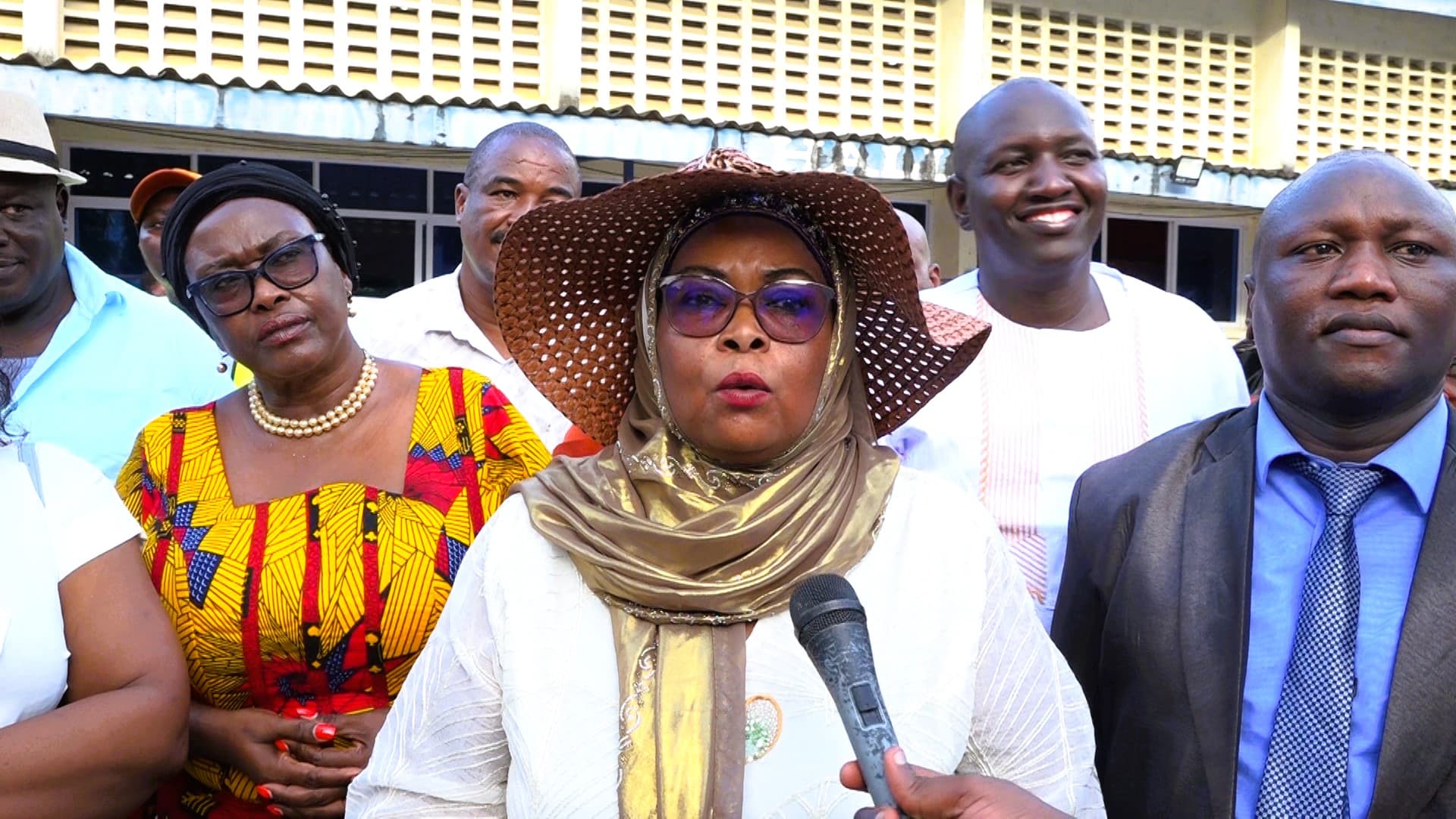
Dream Achievers Organisation project leader, Linda Indimuli, said the programme was currently being implemented in six informal settlements across Mombasa, namely Ziwa la Ng’ombe, Mkomani, Chaani, Bangladesh, Bombo and Junda.
She said the initiative works closely with the KMSA, to obtain weather forecasts, which are then simplified and translated into Kiswahili, before being shared with residents through trained community climate champions.
The champions are drawn from existing community structures, including climate hubs, community health promoters, religious institutions and local leadership, to ensure the information reaches households through people they trust.
Linda said community awareness campaigns, door-to-door sensitisation, public barazas and clean-up exercises, were also being used to encourage residents, to take preventive measures whenever weather alerts are issued.
She noted that community consultations had helped identify blocked drainage systems as a major contributor to flooding, prompting residents to organise clean-up exercises and push for locally driven solutions.
However, Linda said poverty remained a major obstacle to effective preparedness, particularly for households that receive flood warnings, but cannot afford to relocate to safer areas.
“Sometimes people receive the warnings, but lack the financial capacity to move their families or secure alternative accommodation. Finances, therefore, remain a major challenge in ensuring people take action,” she said.
She also called for greater inclusion of persons with disabilities, noting that while the programme had reached some people with physical disabilities, reaching those with hearing and visual impairments remained a challenge.
Linda urged County and National governments, to allocate resources towards anticipatory action and support community-based disaster preparedness, instead of relying mainly on emergency interventions after disasters occur.
Residents say the initiative is already changing how communities prepare for heavy rains, although they maintain that more support from the County government is needed, to address persistent drainage challenges.
Ramadhan Kadenge, a resident of Ziwa la Ng’ombe in Nyali Sub-county, said previous flood warnings had prompted residents, to clear blocked waterways and remove structures obstructing the natural flow of stormwater.
He recalled that some houses had been demolished during efforts to open-up waterways, leaving affected residents counting losses.
Kadenge said young people had also been mobilised and paid to undertake manual work, including unclogging drainage channels and collecting garbage that blocked water passage.
He appealed to the Mombasa County Government, to prioritise flood prevention by regularly maintaining drainage infrastructure rather than responding only after flooding has displaced residents and destroyed property.
Rose Matunda Mzee, a resident of Shauri Yako in Nyali Sub-county, said previous floods had inundated homes, leaving families stranded and unable to find alternative accommodation.
She said receiving early weather alerts had become increasingly important because residents were now being equipped with information on how to prepare, where to seek assistance and what action to take when flooding occurs.
Mzee, however, said her family still had no alternative place to relocate, should another major flood occur.
She identified a storm-water drainage channel near Pentrose Primary School, as one of the critical areas requiring urgent attention, saying garbage had accumulated and restricted the flow of water.
She appealed to the County government to clear the blocked drainage wells and widen the water channels, to accommodate large volumes of storm water during heavy rains.
Mzee said addressing the drainage problem, would significantly reduce the risk of flooding in Shauri Yako and protect residents from repeated losses.
By Hussein Abdullahi
Comments
No comments yet. Be the first to share your thoughts.