
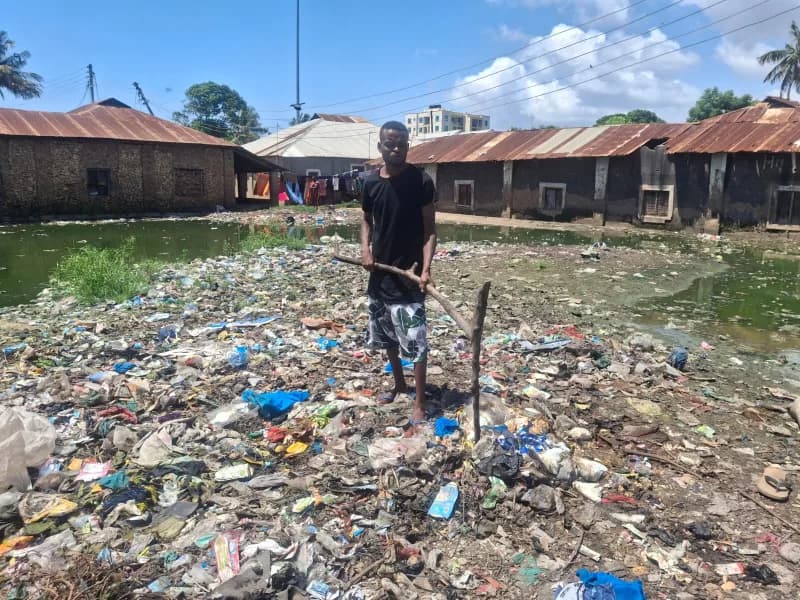
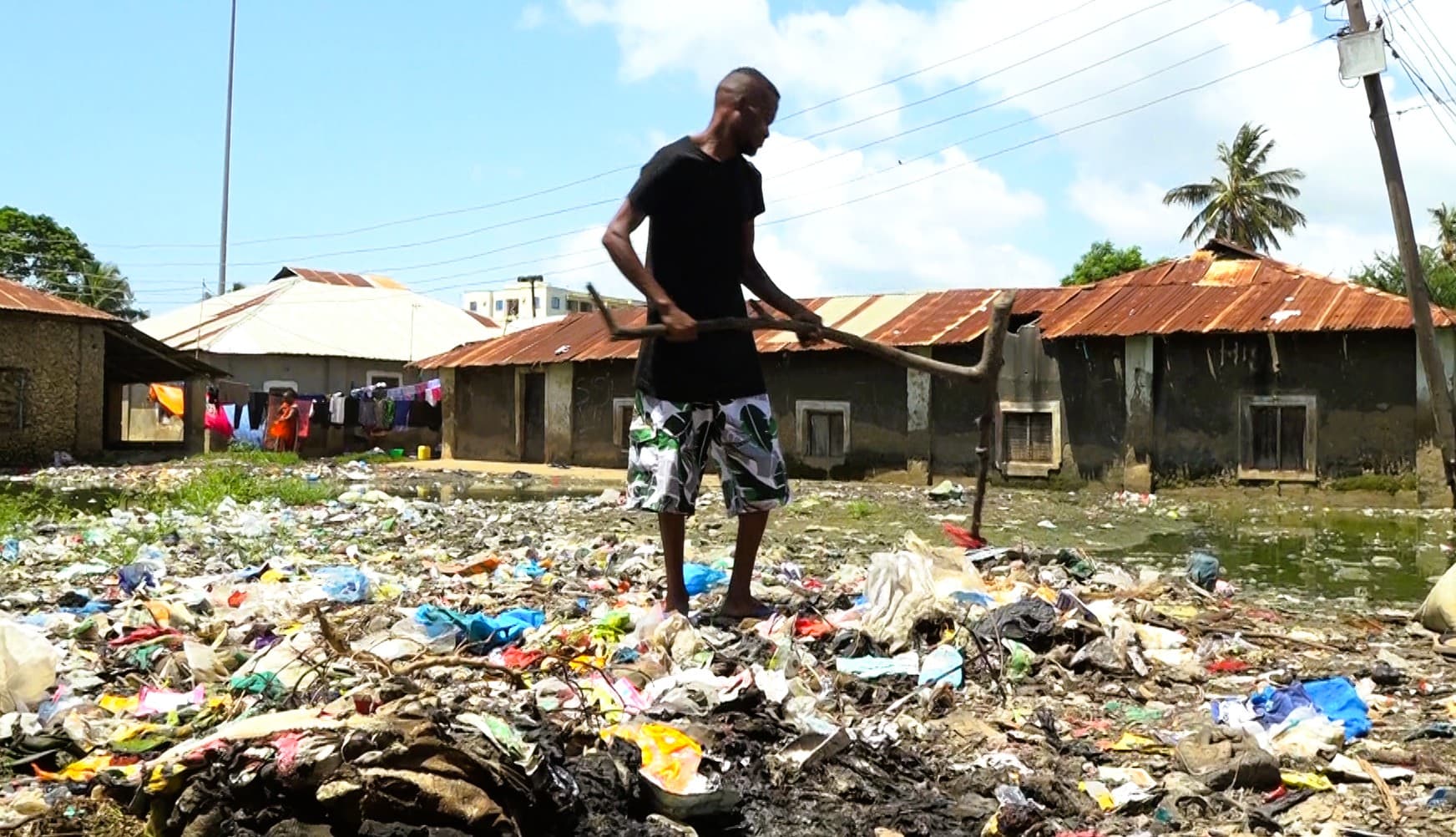
Ziwa La Ngombe redident in Mombasa clears plastic waste blocking water ways leading to flooding during heavy rains/HANDOUT

Residents of Mombasa's informal settlements are stepping up preparations for the anticipated El Niño rains, with community-based organisations intensifying early warning campaigns to minimise the risk of flooding and loss of lives.
The preparations come amid concerns over the potential impact of a very strong El Niño, expected to coincide with a strong positive Indian Ocean Dipole, increasing the likelihood of extreme rainfall and flooding along the Kenyan coast.
In informal settlements, where poor drainage, overcrowding and homes built on vulnerable slopes expose families to weather-related disasters, the approaching rainy season has revived painful memories of previous floods.
However, some residents say they are better prepared this time, thanks to improved access to weather forecasts and safety information through the DARAJA project.
The initiative, implemented in six informal settlements in Mombasa, seeks to bridge the gap between receiving weather forecasts and taking practical action to protect lives and property.
Lindah Indimuli, Project Coordinator at Dream Achievers Youth Organisation (DAYO), which leads the project's implementation in Mombasa, said they work closely with the Kenya Meteorological Department to ensure weather information reaches residents in accessible language.
"We receive information from the Kenya Meteorological Department and translate it into a language that can be understood by the community. We also work with climate champions who help us communicate the information and ensure residents understand what is expected and what they need to do," she said.
Indimuli said the organisation uses community meetings, door-to-door campaigns and neighbourhood clean-ups to help residents respond to weather alerts.
It also works with chiefs and village elders to identify vulnerable areas and develop practical measures to reduce risks.
DARAJA Kenya Project Manager Pascal Mukanga said the programme brings together meteorological agencies, local authorities and community organisations to ensure forecasts translate into timely action.
"We seek to improve understanding of climate change and help communities access weather information so that they can take appropriate action based on forecasts. This helps reduce the loss and damage associated with hazards such as strong winds, flooding, extreme heat and landslides," he said.
For residents, the interventions are already making a difference.
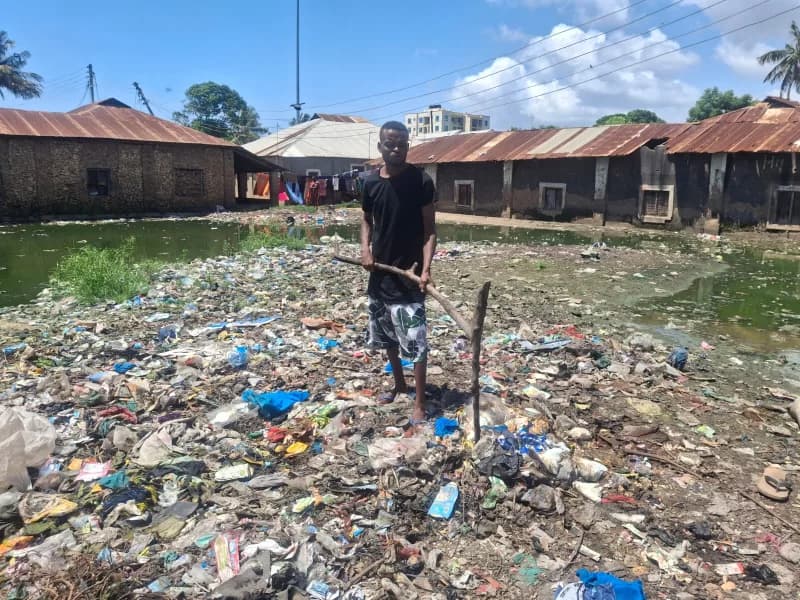
A flooded area in an informal settlement in Mombasa County/HANDOUT

Ramadhan Kadenge, a resident of Ziwa La Ng'ombe, said previous floods had left families anxious whenever heavy rainfall was predicted.
"Our houses are on a slope, and we fear that the water could sweep them away and cause loss of lives," he said.
Kadenge said early warnings had enabled residents to unclog drainage channels and prepare for possible relocation.
Rose Matunda, from Mkomani, said advance information had also helped residents overcome some of the anxiety associated with heavy rains.
"I thank God that we now receive early information and are told what we can do. We get the alerts and know how to prepare," she said.
The importance of such interventions is highlighted by the 2026 Lloyd's Register Foundation World Risk Poll, released on October 13, which found that although four in five adults who experienced a disaster in the previous five years received at least one advance warning, 36 per cent of those warned were unable to take protective action.
DARAJA, implemented by Resurgence since 2018, seeks to ensure early warnings are not only received but understood and acted upon by vulnerable communities.
Comments
No comments yet. Be the first to share your thoughts.