
Hundreds of workers who acquired skills through experience rather than formal education are gaining professional recognition through a government programme that assesses and certifies their competencies.
The programme, implemented through the Tourism Fund’s Recognition of Prior Learning (RPL) initiative targets workers in the hospitality and tourism industry, who have practical skills, but lack formal certificates.
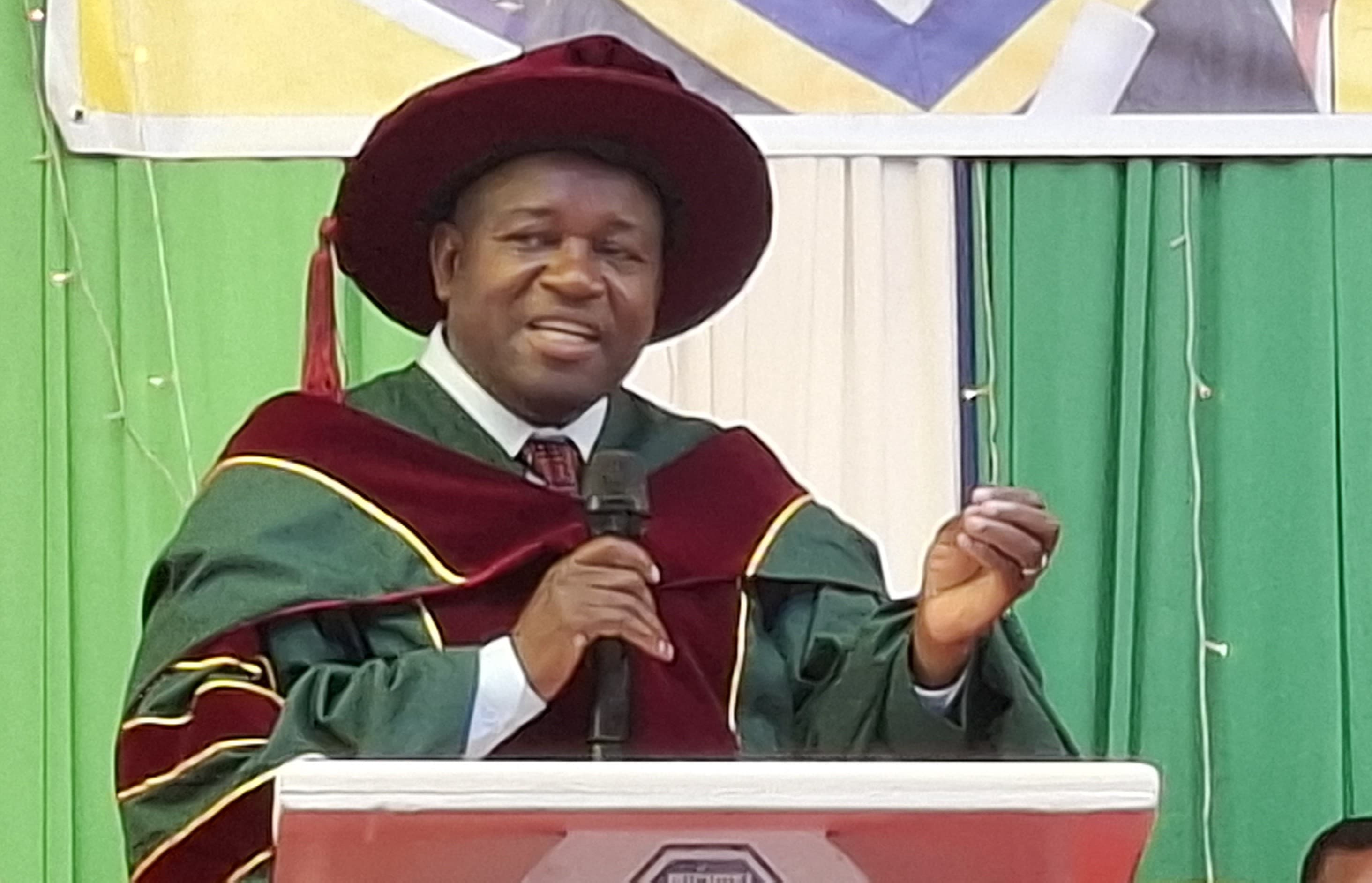
Dr. Lawrence Guantai, Director of Trainer Management at the State Department for Technical and Vocational Education and Training (TVET), said the government had developed and approved a policy to guide the assessment and certification of people who had acquired skills outside formal training institutions.
Speaking during the graduation ceremony of cohort 27 of the RPL initiative at the Michuki National Polytechnic, the Director said that the certification places beneficiaries within the Kenya National Qualifications Framework, enabling them to progress from one qualification level to another.
“Those who have qualified today have been placed at level three,” Guantai said, adding that they could progressively advance to higher levels depending on their abilities and further training.
At Michuki National Polytechnic, 159 workers in hospitality and tourism received RPL certification, while 24 others were trained in content creation, while 83 hotel owners and managers underwent management training, bringing the number of beneficiaries at the event to 266.
Dorcas Mbalanya, a trustee of the Tourism Fund, said the programme was designed to address a gap, where many Kenyans possessed practical competencies but lacked certificates to demonstrate their skills.
She cited mechanics working along Grogon Road in Nairobi as an example of people, who could be highly competent despite lacking formal training.
Mbalanya said the Tourism Fund, through a revolving fund supported by the two percent tourism levy collected from hotels, bars, restaurants and other catering establishments, was supporting skills development programmes across the country.
“So far, we have done 9,388 people that we have upskilled,” she said.
Mbalanya said there was no age limit for the programme because it targeted people who already possessed skills and needed certification.
The Michuki National Polytechnic Chief Principal, Anne Mbogo said the institution assessed workers against occupational standards before identifying and addressing gaps through short-term training.
Mbogo explained that the assessment comprised oral, written and practical components, with practical demonstration accounting for 90 percent of the assessment and theory 10 percent.
“The emphasis is on skills and demonstration, considering that these are people who have been practising these competencies and gaining experience from the industry,” she said.
The Chief Principal noted that the institution also equipped trainees with basic communication, record-keeping and technology skills to enable them to meet changing workplace requirements.
She noted that the RPL programme was not limited to hospitality and tourism, but could also be applied to areas such as electrical work, motor vehicle repair, ICT, fashion design and building technology.
Chef Lina Wanjiru of Mima Gardens, in Maragua sub county and others who graduated said the programme had helped experienced workers obtain certificates, while also updating their skills to match changes in the hospitality industry.
She said some of the skills taught during the two-week programme had changed considerably since she trained in college in 2011.
The trainees underwent both practical and theoretical lessons before assessment and certification.
The tourism fund has been partnering with technical and vocational and training institutions across the country since March 2024 to implement targeted upskilling programmes, aimed at enhancing the competencies, productivity and competitiveness of professionals in the tourism and hospitality industry.
by Wangari Ndirangu



Comments
No comments yet. Be the first to share your thoughts.