
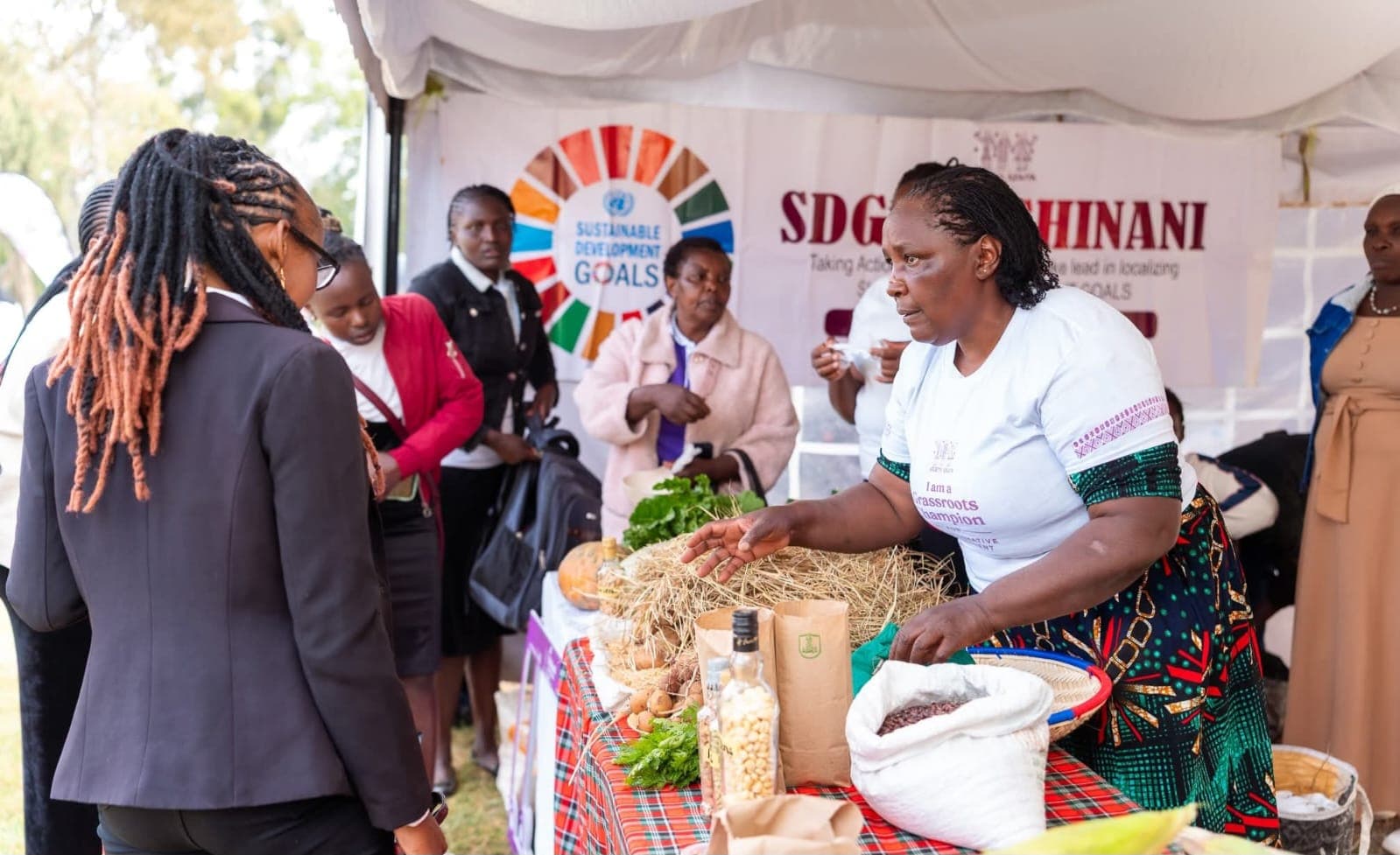
For generations, many rural women have tilled land they did not own, raised children without control over household resources and remained largely absent from the spaces where decisions affecting their lives were made.
But in Ol Kalou, Nyandarua County, women from across Kenya are seeking to change that narrative, calling for greater access to land, meaningful participation in leadership and stronger economic and food security.
The women gathered for a National Rural Women’s Forum organised by GROOTS Kenya, bringing together grassroots women leaders from 30 counties to deliberate on land rights, leadership, food security, livelihoods and climate change.
GROOTS Kenya Executive Director Eunice Mwangi said the forum was designed to give grassroots women an opportunity to bring forward issues identified through consultations conducted in their villages, wards, sub-counties and counties.
“We are here to listen to them and to share and learn from each other,” said Mwangi, noting that the movement brings together more than 5,000 grassroots groups with an estimated membership of about 100,000 women.
She said the issues being raised by rural women are closely connected, with land ownership affecting women’s ability to secure livelihoods, participate in agriculture and exercise economic independence.
Mwangi said cultural practices remain a major barrier in some communities, particularly when it comes to women inheriting land.
“You find that in some cultures, women are not supposed to own land,” she said, adding that widows and daughters can also be excluded from inheritance after the death of a family member.
She said many rural women are also unaware of their rights under Kenya’s different land tenure systems, making community sensitisation an important part of GROOTS Kenya’s work.
The organisation, she said, is also deliberately bringing men into the conversation through its Men for Women Champions initiative.
“We don’t want to solve one problem of empowering women and then bring another problem of gender-based violence into the home,” Mwangi said.
She explained that men are engaged to help other men understand that empowering women does not mean taking away men’s rights or position in the family.
Cultural leaders are also being involved, she said, because of their influence as custodians of community traditions.
Mwangi said the approach is particularly important in communities where cultural practices remain deeply rooted, including efforts to address harmful practices such as female genital mutilation.
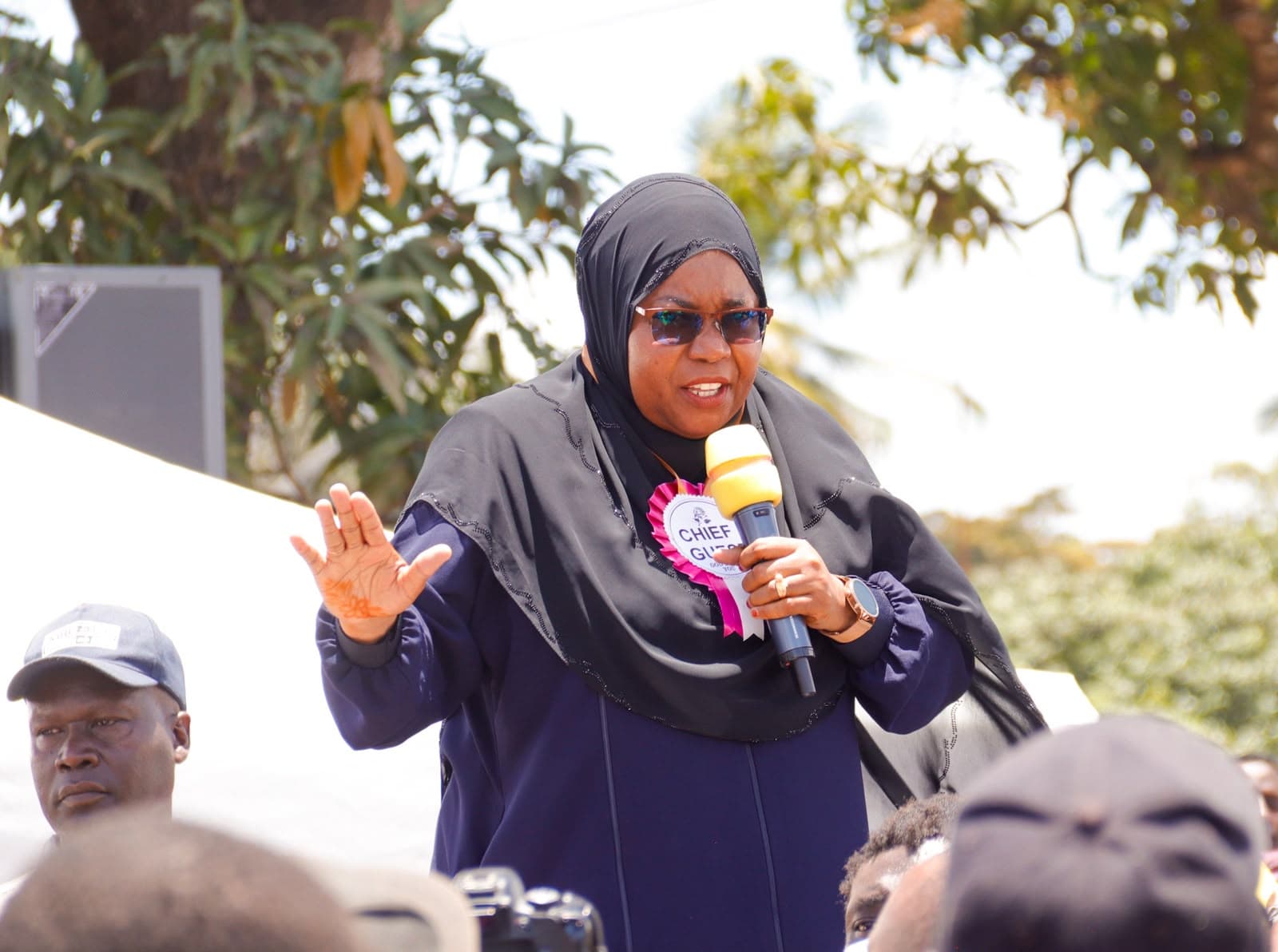
Representing the Nyandarua County Commissioner, Assistant County Commissioner and Administrative Officer Lentete Saitemo said the government was equally committed to ensuring women understand and exercise their rights.
Saitemo said administrators were using public barazas to educate communities that women have a right to own and inherit land.
“Gone are those days when people used to discriminate against women, that maybe they don’t need to own land or to inherit land from their parents,” she said.
She said administrators were also educating communities on succession, stressing that women, children and other beneficiaries should not be left out when property is distributed following the death of a family member.
The call for change was echoed by Monica Keben, a rural women representative from Tiaty in Baringo County, who spoke about the transformation she has witnessed among women since GROOTS Kenya began working in the area in 2021.
Keben said women who were previously expected to remain at home and concentrate solely on childcare were organised into groups and trained in income-generating activities.
“GROOTS Kenya helped us greatly because when we came together in groups, women learnt how to work with their hands,” she said.
She said the training had particularly changed the lives of widows who had previously struggled to protect their property and provide for their families.
According to Keben, some widows are now able to educate their children, with some of those children having progressed to university.
She said women had also gained confidence to seek assistance from chiefs and government offices when their rights were threatened.
Keben said the transformation had also changed attitudes within families, with some men now recognising the economic contribution of women.
“An older man at home now knows that when the woman comes home in the evening, she comes with something,” she said.
For Dorcus Kigera, a GROOTS Sacco leader, empowerment must go beyond economic activities to include representation in institutions where decisions are made.
She wants more women to serve on school boards, hospital boards and other decision-making bodies.
“We are pushing women to join these boards so that they can understand and fight for their rights,” Kigera said.
She said women should also be encouraged to seek elective positions, including membership of Parliament and county leadership, arguing that grassroots women need a stronger voice in national decision-making.
In Nyandarua, GROOTS Kenya Champion Movement member Esther Kuria linked land ownership directly to women’s economic independence.
“Our core values are equality and inclusivity,” Kuria said, stressing that women should be able to own and use land productively.
She said women should not merely have land in their names but should also have the freedom and knowledge to determine how to use it to generate income and improve their livelihoods.
The forum also placed food security at the centre of discussions, with women sharing practical approaches they are using to improve agricultural production.
Wairimu Kanyiri, a farmer from Turi Ward in Molo, Nakuru County, said working with agricultural stakeholders, including the Ministry of Agriculture, had helped farmers increase production and improve household food security.
“Now we can say our families have food,” Kanyiri said.
She said grassroots women were also undertaking household food mapping to establish which families have adequate food reserves.
The exercise involves visiting households and checking their food stores, providing an indication of whether families have enough food for consumption and storage or sale.
Kanyiri said nutrition education was also being taken to communities to encourage families to produce enough food and avoid hunger.
The women say their demands are not limited to the forum. They want the lessons, experiences and solutions shared in Ol Kalou to translate into action within their villages and communities.
For Mwangi, the ultimate goal is to ensure that rural women are no longer treated merely as beneficiaries of development programmes but are recognised as decision-makers and agents of change.
She said women from different counties were using the forum to discover that challenges facing one community are often shared by women elsewhere, creating an opportunity for them to develop solutions together.
Comments
No comments yet. Be the first to share your thoughts.