
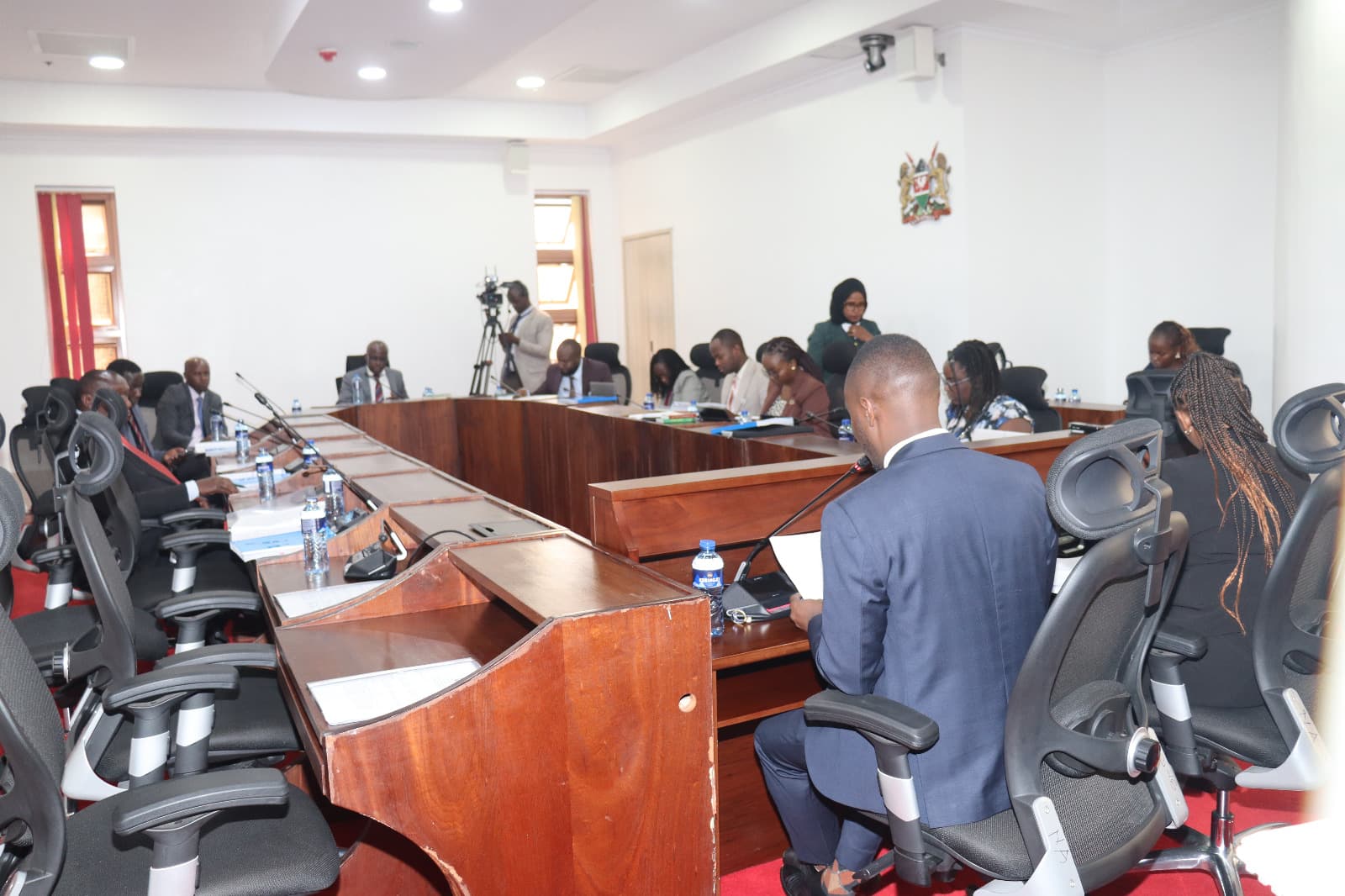
The Kenya Veterinary Association (KVA) has asked the National Assembly Departmental Committee on Labour to end a 19-year pay stalemate that has left them earning less than their medical counterparts.
Presenting prayers to the Committee, KVA President Dr. Kelvin Osore said veterinary doctors and interns work in uncontrolled field environments despite belonging to the Kenya’s Health workforce and undergoing a 5-year clinical training + 1 year internship, equivalent to medical doctors
“We operate in uncontrolled field environments, we are exposed to rabies, anthrax, Rift Valley Fever and severe animal trauma. We have avoided strikes out of duty to public health, but patience should not be mistaken for contentment,” Dr. Osore said.
He told the Committee that a 2007 job evaluation by the Ministry of Public Service recommended harmonisation and that the National Treasury allocated Ksh. 449 million annually in 2017, but Salaries and Remuneration Commission declined to implement it.
KVA sought a monthly Health Risk Allowance of Ksh. 50,000, non-practice allowance of between Ksh. 12,000 – 60,000 depending with job group, extraneous allowance of Ksh. 40,000, call allowance of Ksh. 20,000, uniform allowance of Ksh. 10,000 and Health Workers Service Allowance of Ksh. 20,000 for Veterinary Doctors and a harmonisation of Veterinary Interns stipend to match that of Medical Doctors of Ksh. 180,000 – Ksh. 208,000.
The petitioners also raised concerns over inadequate staffing, noting that many counties have very few veterinary doctors, while the Committee questioned the prevalence of quacks vets, fake animal feeds and substandard veterinary medicines.
Considering a public Petition No. 23 of 2026 by KVA, the Committee chaired Ken Chonga (Kilifi South) said the Committee would interrogate the circumstances that have prevented implementation of previous proposals, including a reported KSh449 million annual allocation approved by the National Treasury in 2017.
“If there was an approved proposal, we need to establish who was responsible for implementing it and what happened along the way.”
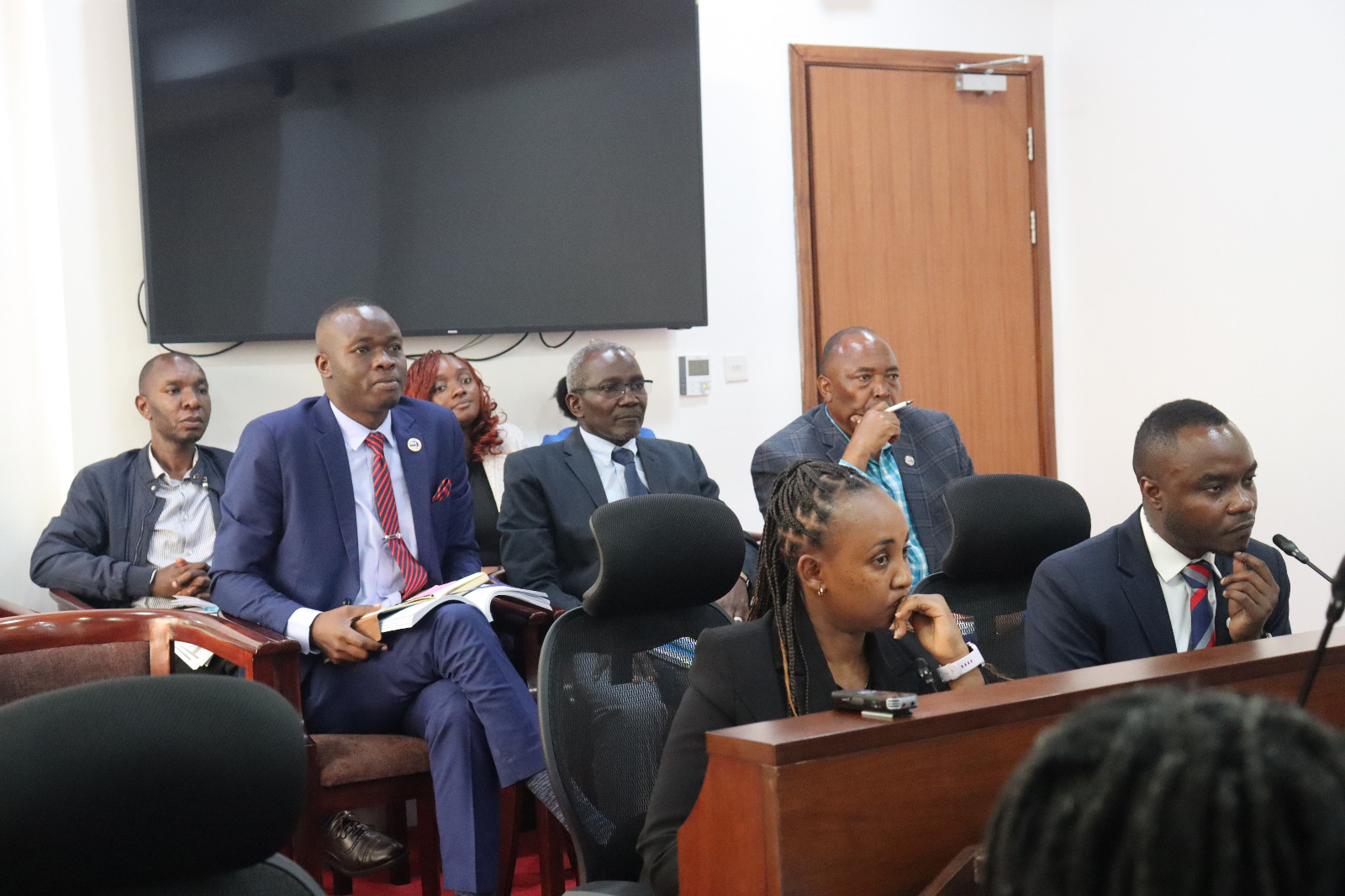
The Committee’s Vice Chairperson, Fabian Muli (Kangundo), challenged the veterinary’s regulatory structure, noting it remains split between a welfare association registered under the Societies Act and the Kenya Veterinary Board.
“You are doing an injustice to yourselves by remaining divided. A unified statutory body gives you direct licensing power and bargaining clout,” said Hon. Muli.
Attributing to their legal standing, Ernest Kagesi (Vihiga) emphasised that their legal status undermines the veterinarians’ bargaining power.
“You are registered under the same law as welfare clubs and football teams, unlike LSK or ICPAK which are chartered. Why have vets been treated differently for decades despite similar academic paths? We must identify the accounting officers who failed to implement the 2007 proposal,” said Kagesi.
On his part, Peter Kihungi (Kangema) pressed the petitioners to provide documentary evidence supporting the 2007 harmonisation proposal, saying the original Government instruments would be critical in establishing responsibility and guiding the Committee’s recommendations.
“The Committee needs to see the actual documents and signed instruments from 2007 because they are the evidence that will help us determine what was agreed and what went wrong,” Kihungi said.
However, the Committee expressed support for the petition in principle but said further evidence was necessary before making recommendations.
The Committee is expected to hear from the Principal Secretaries for the State Departments for Livestock Development and Public Service, CEOs of the Salaries and Remuneration Commission & Public Service Commission on Thursday this week before writing its report.
Comments
No comments yet. Be the first to share your thoughts.