

Vihiga County leaders have adopted a 100-day Rapid Response Initiative (RRI) to strengthen the fight against Gender-Based Violence (GBV) including sexual violence, domestic abuse and femicide.
This is a short-term, high-impact management strategy used by government agencies and county administrations to fast-track key projects, boost accountability, and deliver measurable public service targets within 100 days or less.
The initiative aims to enhance coordination between national and county government agencies, strengthen enforcement of existing laws and improve support services for survivors.
This strategy emerged during a meeting held at the County Commissioner’s boardroom Wednesday, bringing together national and county government officers and other stakeholders to deliberate on findings of a task force appointed by President William Ruto to identify challenges affecting counties across the country.
The report identified Vihiga as a county facing significant challenges related to sexual and gender-based violence, highlighting worrying statistics on physical violence, sexual abuse and femicide.
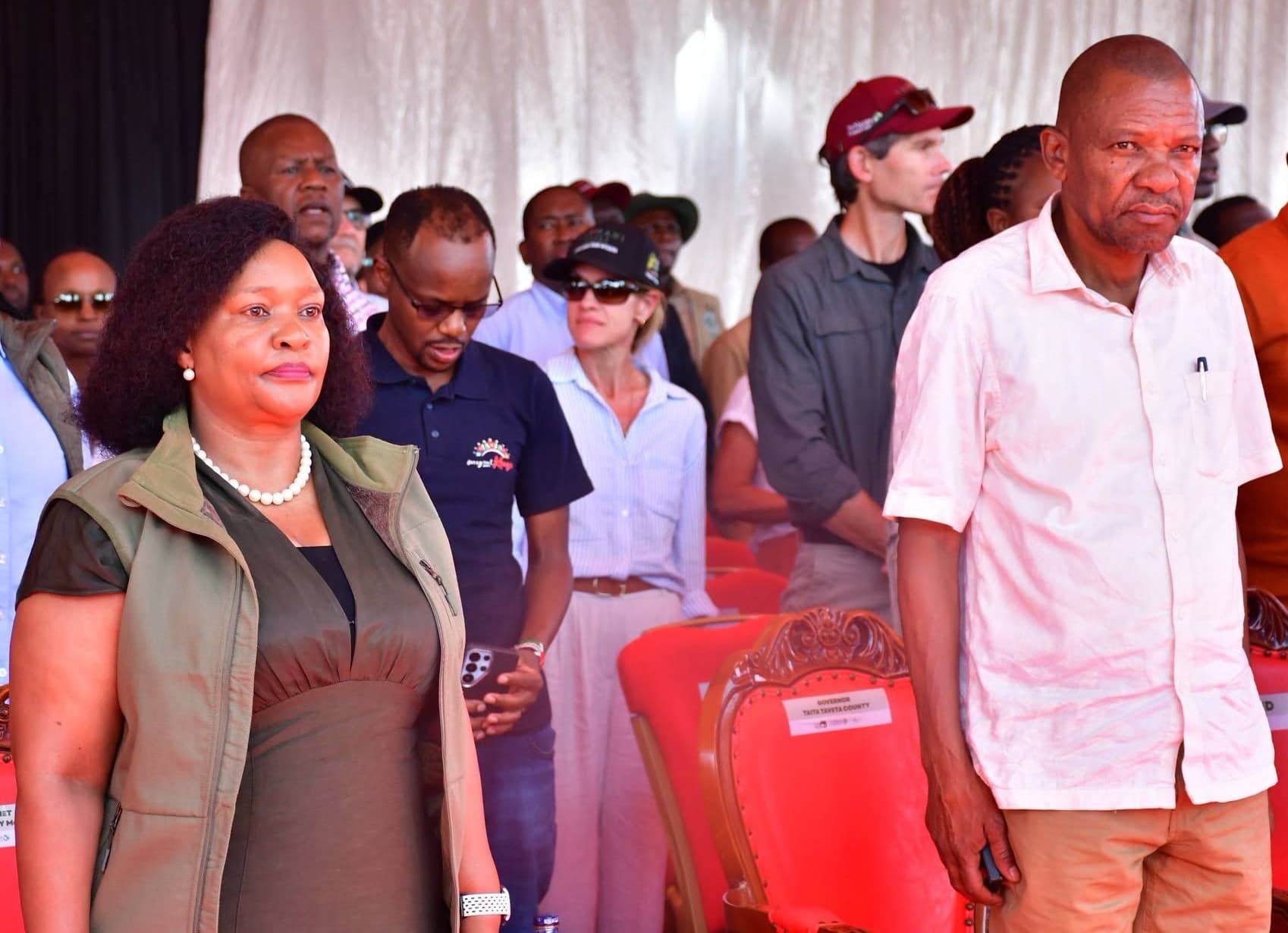
The meeting was chaired by Vihiga County Commissioner Mwai Gicheru and County Executive Committee Member for Gender, Youth and Sports Dr. Ruth Agesa, who led discussions on strategies to accelerate county action against GBV.
Presenting the report, Dorothy Juma of the Access to Medicines Platform organization highlighted findings indicating that 34 per cent of women had experienced physical violence, since the age of 15, compared to 27 per cent of men.
The report further indicated that 71 per cent of cases involved current husbands, while husbands accounted for 47 per cent of perpetrators in the reported cases.
It also documented a 10 per cent increase in reported femicide cases between 2022 and 2024, with young people aged 16 to 35 accounting for 66 per cent of perpetrators in the cases cited.
The report further revealed that one in three women believed wife beating was justified under certain circumstances, highlighting persistent social attitudes that may contribute to the normalization of domestic violence and hinder efforts to protect survivors.
The findings further raised concerns about psychological abuse and sexual harassment in public secondary schools, as well as sexual violence and incest occurring within family settings, where stigma and customary conflict-resolution practices often discourage survivors from reporting abuse.
The report identified weak enforcement and implementation of GBV interventions, poor coordination among responsible agencies, inadequate funding for support systems and community interference in access to justice as some of the challenges undermining efforts to address the vice in Vihiga.
Participants also raised concerns over the limited capacity of medical social workers officers, calling for the recruitment of additional personnel and the allocation of adequate budgetary resources to strengthen prevention, investigation and survivor-support services.
In the long term, stakeholders proposed establishing a sustainable framework for staffing, financing and strengthening social and medical services across county health facilities to ensure survivors receive timely and comprehensive assistance.
Under the proposed 100-day Rapid Response Initiative, the first 30 days would focus on establishing clear leadership, measurable targets and coordinated implementation of agreed actions.
The stakeholders proposed that the County Commissioner and the Governor jointly launch the initiative, while the Intergovernmental Sector Working Group would assign a lead agency and specific targets for every agreed action to ensure accountability and monitor progress.
They also recommended mapping GBV hotspots in every sub-county, including areas associated with funeral gatherings and illicit alcohol outlets to help security and administrative agencies identify high-risk locations and strengthen preventive measures.
Additionally, participants proposed displaying the 1195 GBV helpline and local reporting contacts at chiefs’ offices, police stations and health facilities to improve public awareness and facilitate reporting of abuse.
The initiative is expected to adopt a coordinated, measurable and survivor-centred approach, bringing together security agencies, health and social service providers, county departments and community leaders to strengthen prevention, reporting and response mechanisms.
The stakeholders called for sustained collaboration between the two levels of government and other partners to address the underlying causes of GBV, improve accountability and ensure survivors receive timely and appropriate support.
By Rose Wasike

Comments
No comments yet. Be the first to share your thoughts.