
Residents living in flood- and landslide-prone areas of Vihiga County have been urged to take early precautionary measures as the October-November-December (OND) rainfall season begins.
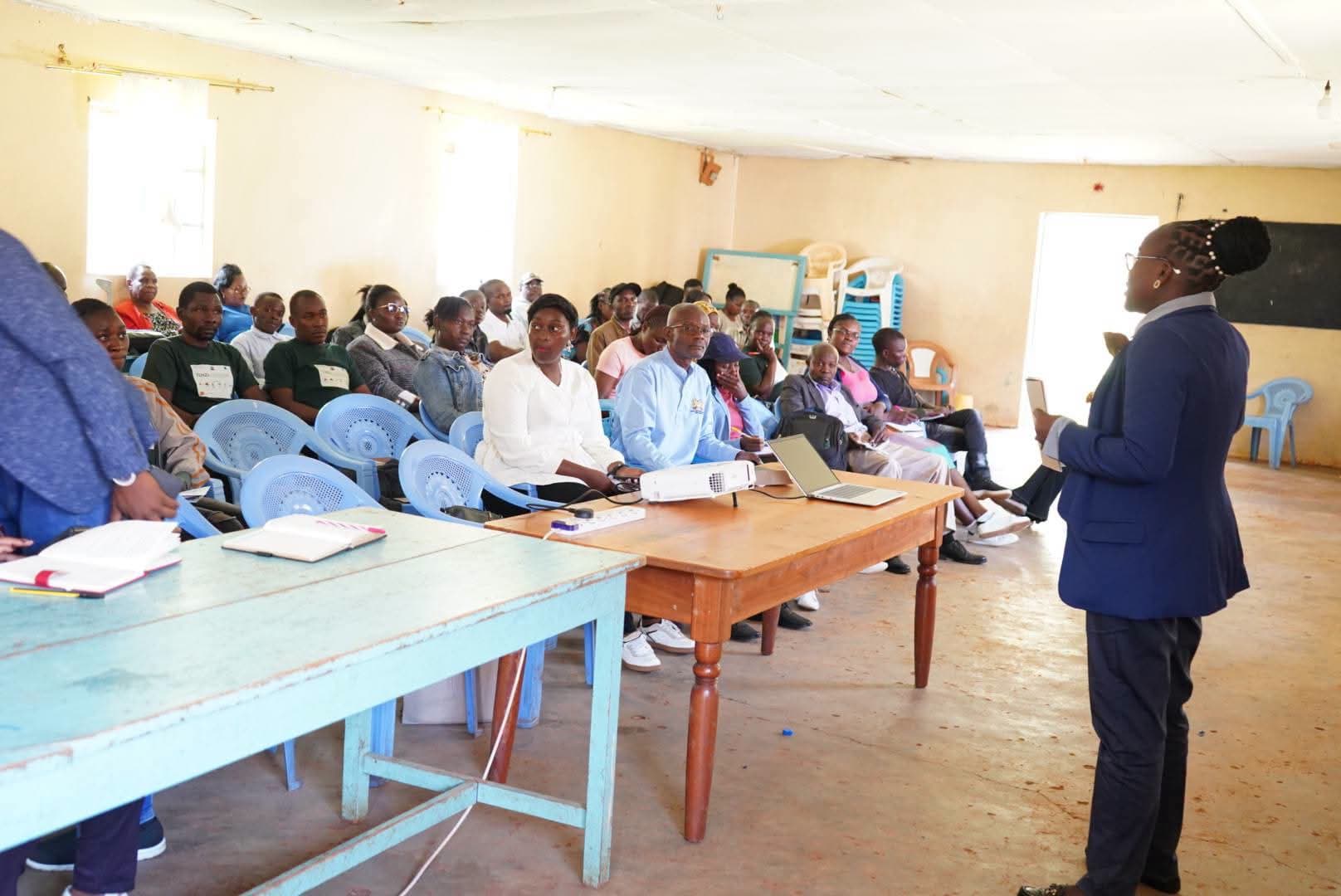
The call follows a Participatory Scenario Planning (PSP) meeting held at Mutembe Friends Church on September 25, 2026, which brought together 66 participants drawn from various stakeholder platforms.
The meeting, organised under the FAO-TUNZA Project in collaboration with the Kenya Meteorological Service Authority (KMSA) and facilitated by the African Centre of Meteorological Applications for Development (ACMAD), interpreted the seasonal outlook and developed sector-specific advisories for communities.
According to the report, possible flash floods were identified along River Ezava and River Yala, with areas around Nadanya, Oceanic in Mbale and Chandungunyi in South Maragoli identified as potentially exposed.
Landslide-prone areas identified during the discussions included Tambua, Lwombei in Gisambai and Chandungunyi in South Maragoli.
Residents have been advised to avoid risky slopes and flood-prone areas, unclog drainage systems, protect riverbanks and wetlands, manage hazardous trees and identify suitable shelter locations in case of displacement.
The report warned that excessive rainfall, thunderstorms and hailstorms could result in property damage, power outages, waterborne diseases, lightning-related injuries and crop losses.
Communities have consequently been encouraged to enhance water harvesting, repair weak houses and bridges, observe lightning safety measures and strengthen public health surveillance.
Farmers have been advised to strengthen soil and water conservation structures, avoid cultivation along riverbanks and flood-prone areas, monitor pests and diseases and properly harvest, dry and store farm produce.
Those in areas experiencing below-average rainfall have been advised to conserve water, adopt early-maturing and drought-tolerant crops, mulch farms and conserve fodder for livestock.
The PSP meeting further called for increased dissemination of climate advisories through sub-county, ward and community-level platforms to ensure farmers and households receive timely and locally relevant information.
The report emphasised the need for continuous monitoring of actual rainfall and emerging hazards, with feedback shared among KMSA, county technical officers, FAO-TUNZA and community focal persons.
Stakeholders also stressed the importance of inclusive preparedness, noting that youth, women, persons with disabilities and children may face different challenges in accessing warnings, shelter and essential services during hazardous weather.
The participants observed that translating seasonal climate information into timely and actionable messages would enable communities to make informed decisions and reduce losses during the rainfall season.
by Rose Wasike



Comments
No comments yet. Be the first to share your thoughts.