
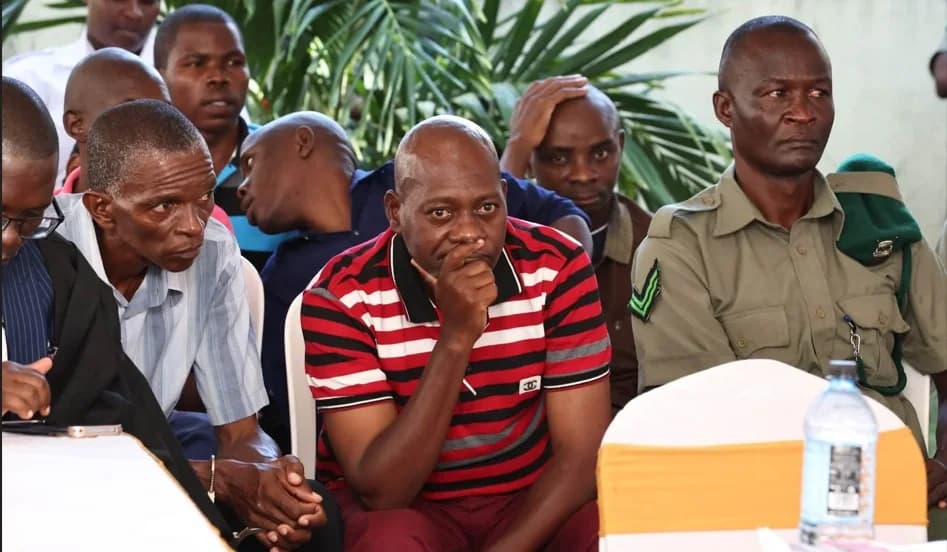
High Court convicts controversial preacher Paul Mackenzie and 30 followers of 191 murders in Shakahola

The court ruled that Mackenzie ordered followers to starve themselves and their children to death, rejecting claims that the victims voluntarily fasted to death.
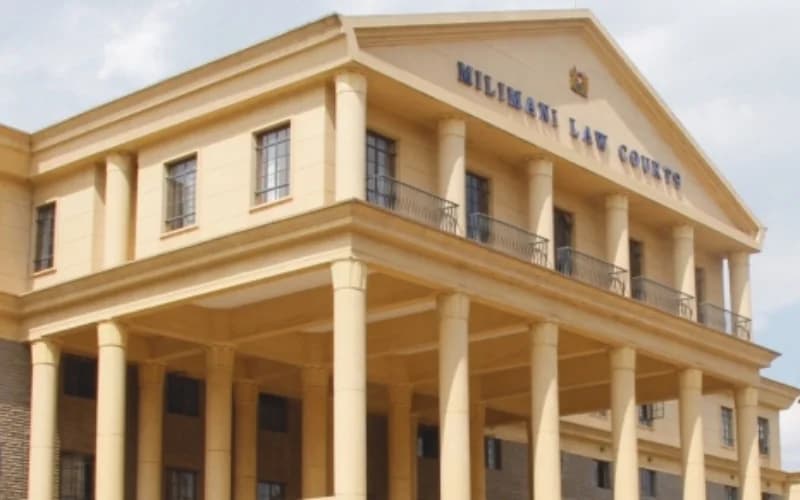
The High Court in Mombasa has convicted controversial preacher Paul Nthenge Mackenzie and 30 of his followers of 191 counts of murder in the Shakahola massacre, in which 190 children and one adult died.
Justice Diana Kavedza found the accused guilty after ruling that the prosecution had proved its case beyond reasonable doubt, rejecting the defence argument that the victims had voluntarily fasted to death.
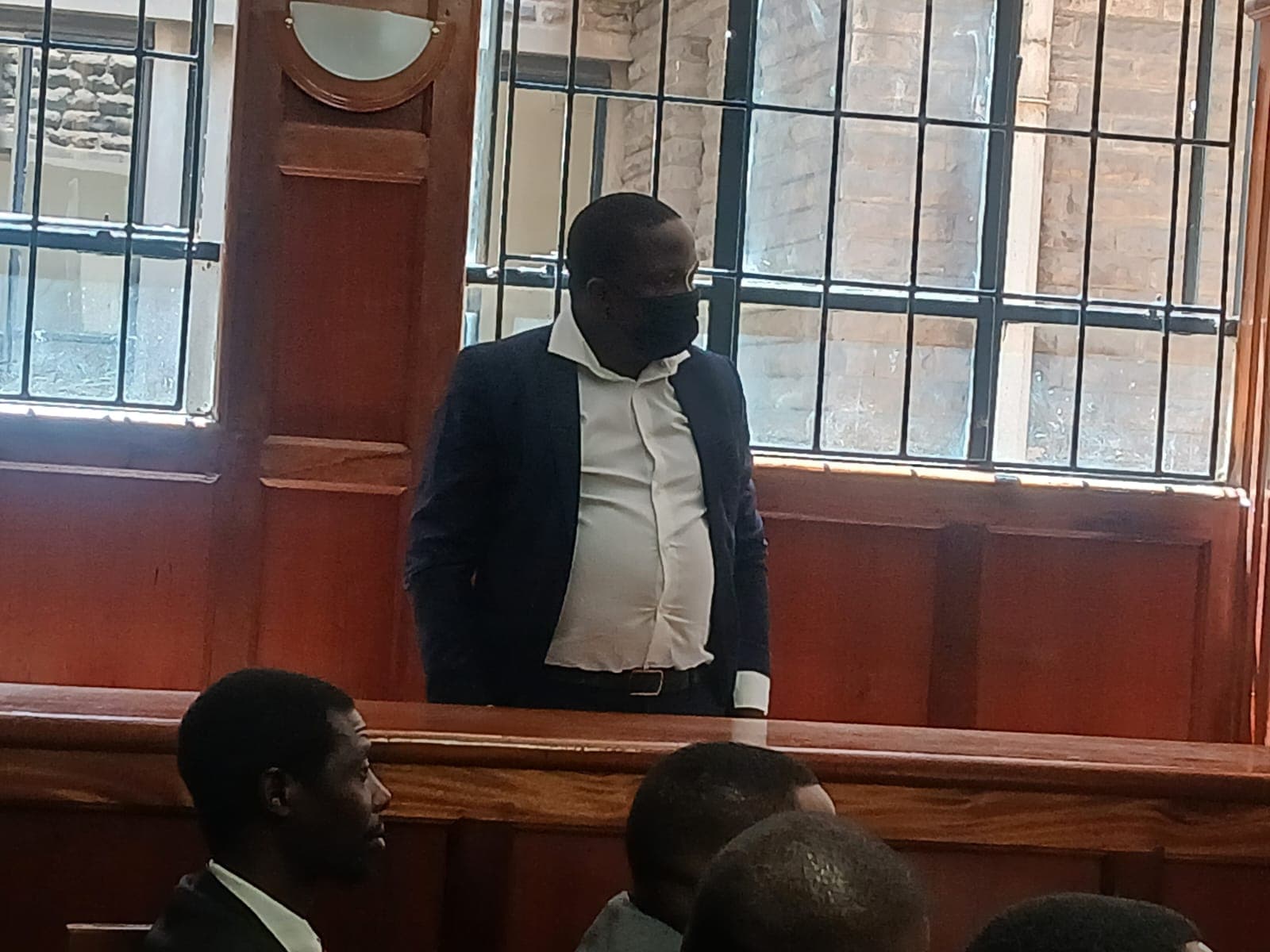
Mackenzie, the first accused, appeared deep in thought as the judge delivered the judgment, which began at 9.30 am and continued until 6.29 pm.
In her ruling, Justice Kavedza found that Mackenzie’s instructions to his followers to fast to death were carried out through an organised system in which other accused persons helped enforce his directives.
The court found that Mackenzie’s teachings were spread through an established religious network, with followers instructed to relocate to Shakahola and undertake fasting.
The instructions were communicated through village elders and reinforced during regular meetings at the settlement in Shakahola, Kilifi County.
Latest Stories
- Water bowser torched in Eastleigh after allegedly hitting pedestrian as driver flees scene
- Sonko wants impeachment overturned after Supreme Court upholds misconduct findings against former judge
- IGAD, partners launch regional training to tackle shortage of animal health laboratory auditors
- COP17 puts governments on the spot over failure to halt global biodiversity loss by 2030
The fasting was conducted in stages, beginning with children, while guards controlled movement and prevented followers from leaving the settlement.
Justice Kavedza also found that Good News International Church, which Mackenzie established in 2010, operated as a cult. The court heard evidence that Mackenzie preached the imminent end of the world, discouraged modern medicine and formal education, isolated followers from outsiders and encouraged fasting as a means of entering heaven.
The prosecution presented evidence that children were restrained, denied food and punished when they attempted to eat or escape.
Witnesses also described children being forced to witness the suffering and deaths of their siblings and other family members.
The court heard that starvation was not the only cause of death. Forensic evidence linked some deaths to asphyxia, manual strangulation and other forms of physical harm, supporting the prosecution's case that direct violence was also inflicted on some victims.
The judge found that the violence formed part of a wider system of control in which followers were prevented from leaving, resistance was punished, and those who sought food or water faced intimidation and physical punishment.
She further found that children suffered physical and mental torture, noting that some witnessed the deaths of their parents and siblings, were prevented from grieving normally and were forced to celebrate the deaths of their siblings.
The prosecution relied on testimony from 123 witnesses, including child victims and adult accomplice witnesses. Their accounts were supported by digital recordings, social media content, medical and forensic reports, DNA analysis, physical exhibits, journals recovered from deceased persons and expert testimony.
Crime-scene investigations led to the exhumation of bodies from graves across several homesteads and mass burial sites. Evidence presented in court included one mass grave containing 12 bodies and another site with several graves holding 63 bodies.
Medical evidence presented by prosecution witness Dr Njoroge included 190 post-mortem samples relating to deceased minors. The reported findings attributed 76 deaths to starvation, 112 to unascertained causes, one to traumatic head injury, one to manual neck compression and one to asphyxia with features of starvation.
The court also considered evidence that burial rites were conducted at unusual hours to avoid detection and that the settlement was divided into 12 villages, each forming part of the administrative structure used to manage the followers.
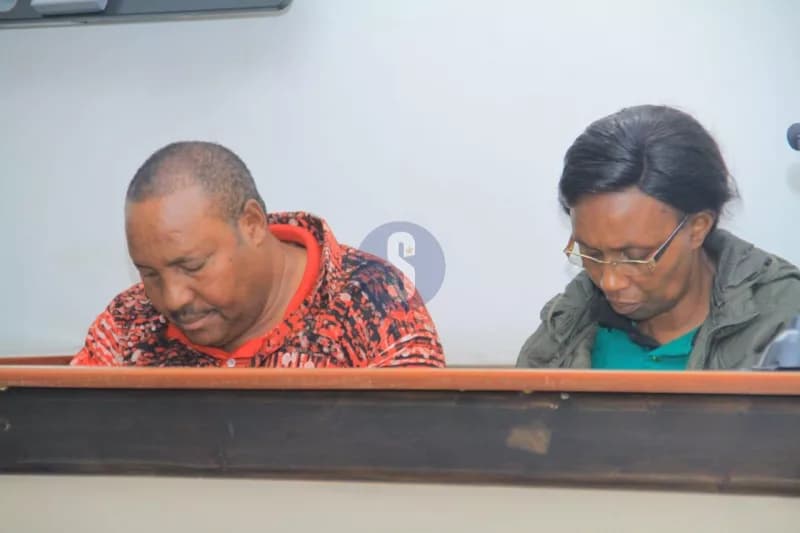
Mackenzie’s co-accused included Smart Deri Mwakalama, identified as his deputy pastor, and Stephen Sanga Muye.
Two other accused persons, Kelvin Saudi Asena and Edison Safari Mnyambo, died during the trial, after which the prosecution withdrew the murder charges against them.
The convictions follow investigations into deaths at Shakahola between January 2021 and September 2023.
Sentencing will be delivered on November 6.
Comments
No comments yet. Be the first to share your thoughts.