
Correctional experts are proposing a paradigm shift towards mainstreaming sustainable, resource-efficient, and climate-resilient practices in the operations of the country’s correctional system.
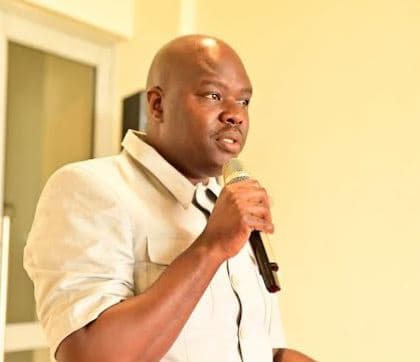
Speaking during the ongoing Correctional Service Week 2026, David Mui, Deputy Director at the Probation and Aftercare Service, cited Kimumu Probation Hostel as an example of best practice in environmental sustainability.
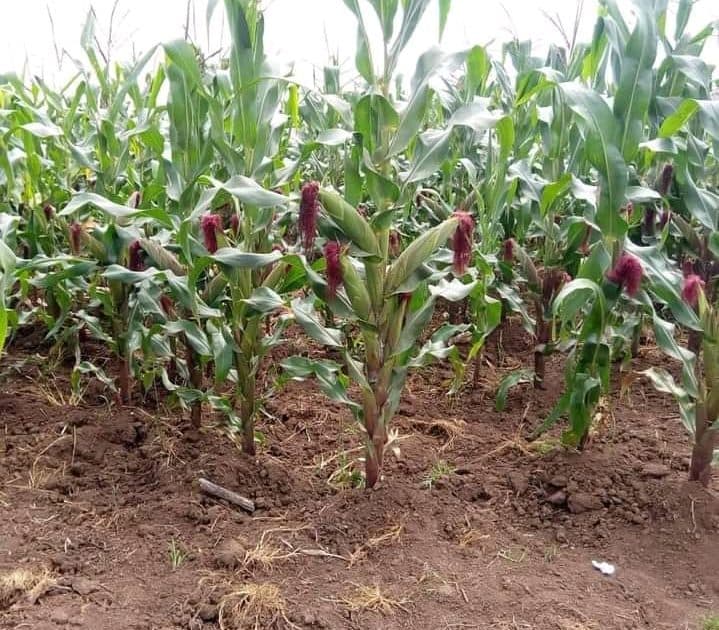
The facility uses biogas for cooking and solar energy for lighting, practises zero-grazing integrated with vegetable gardening, maintains tree nurseries and grows climate-resilient crops, including Napier grass, using drip irrigation.
Similarly, Margaret Anyova of Siaya Probation Female Hostel highlighted her station’s adoption of solar technology to power lighting and a borehole irrigation system, replacing reliance on the traditional electricity grid.
She noted that the initiative prioritises basic human needs and safety by ensuring a more reliable supply of electricity and water.
“The solar-powered borehole has significantly reduced water shortages by providing a more consistent supply, while the irrigation system supports agricultural activities and equips clients with practical farming skills,” stated Anyoya, adding that the transition has also lowered operational costs and strengthened environmental sustainability.
Likewise, at the Kenya Prisons Service (KPS), SACGP Dan Obiero, Director of Planning, pointed out that the Service has implemented solar energy projects in partnership with the United Nations Office on Drugs and Crime (UNODC) at Nairobi Remand Prison and Kisumu Maximum Prison.
He noted that the projects have facilitated uninterrupted virtual court sessions while reducing operational costs.
Obiero further reaffirmed KPS’s commitment to the Greening Kenya Initiative, disclosing that the service has so far planted over 10 million trees.
Earlier, correctional practitioners, national and international actors, experts, and other stakeholders who gathered on the second day of Correctional Service Week 2026 in Nairobi also explored innovative approaches to reforming Kenya’s correctional system.
In one of the sessions, which focused on technology-driven solutions for integrating offender records and automating correctional operations, experts called for the establishment of a unified information management system to improve the tracking of offender supervision, rehabilitation, and community reintegration.
Complementing this vision, Ghislain d’Adesky of Telio Company, a strategic partner in correctional automation, presented digital solutions designed to transition correctional operations from paper-based processes to more efficient digital systems.
He emphasised that successful implementation would require strong organisational commitment and strategic partnerships.
Generally, discussions highlighted how centralised data could strengthen coordination across correctional institutions, promote evidence-based decision-making, and ultimately support the successful rehabilitation and reintegration of offenders into society.
Meanwhile, the three-day conference, held under the theme ‘Transforming Correctional Services through Technology and Green Solutions’, will conclude on Thursday, October 15, with a gala dinner celebrating outstanding performers within the State Department for Correctional Services.
By Michael Omondi
Comments
No comments yet. Be the first to share your thoughts.