

The County Government of Nakuru has signed a Sh279 million four-year Memorandum of Understanding (MoU) with the Christian Blind Mission (CBM) to improve ear and eye health services for approximately 640,257 people across the devolved unit.
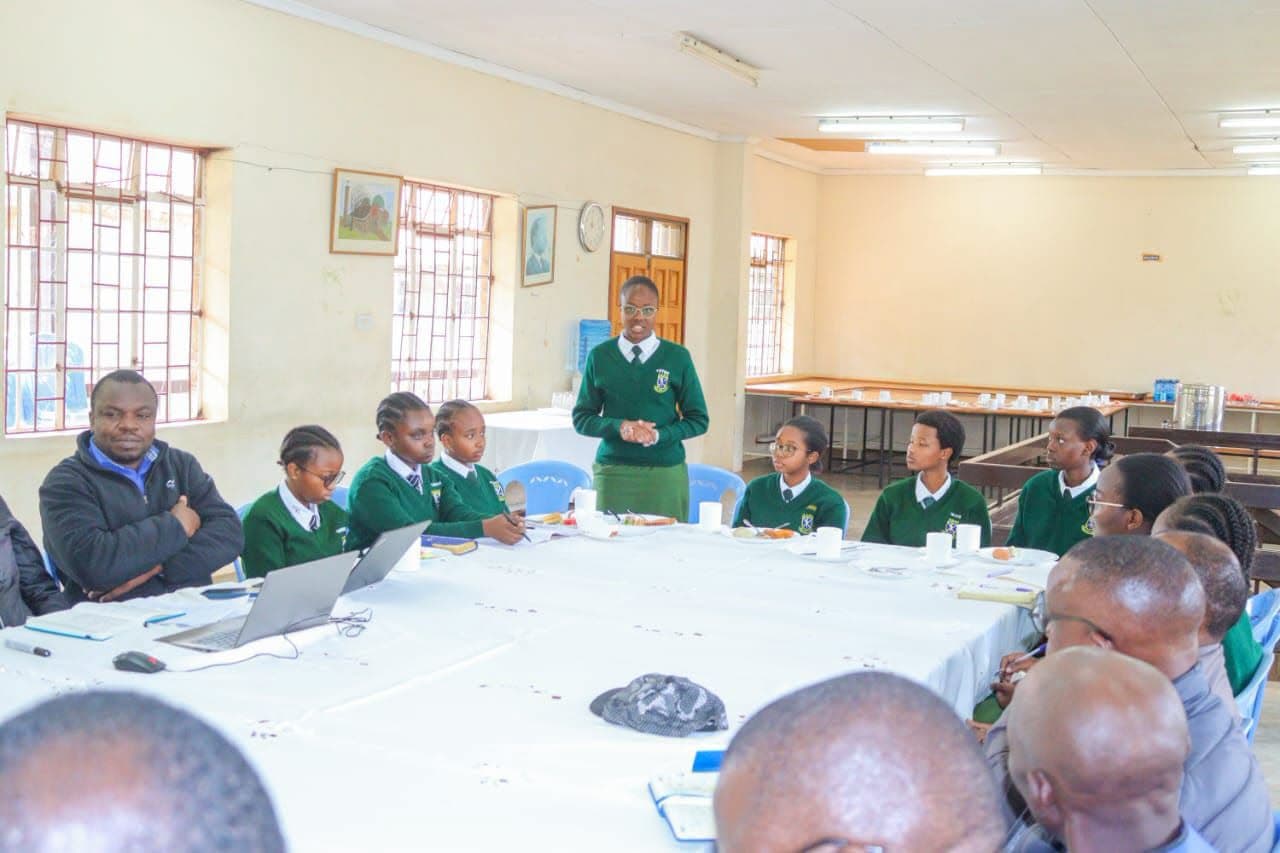
The initiative that is supported by Africa Gospel Church (AGC) Tenwek Hospital aims at early detection, treatment, and referral of sensory health conditions and further targets learners in 1,302 schools across the 11 sub-counties.
County Executive Committee Member (CECM) for Health Services Ms. Roselyn Mwangi indicated that the partnership will strengthen specialist services for ear and eye health while taking screening and early interventions closer to communities.
The Vision Impact Project Scale-Up 2026–2029, rolled out by CBM in collaboration with Africa Gospel Church (AGC) Tenwek Hospital, is being implemented in Nakuru, Kakamega, and Mombasa counties.
According to Ms. Mungai, the programme will support renovation and strengthening of eye, ear, and hearing facilities; provision of equipment; and development of healthcare workers’ technical capacity.
She indicated that the venture will also establish stronger links between health facilities, communities, and schools to improve identification and referral of people with sensory impairments.
Ms. Mungai stated that Nakuru was strengthening the entire range of eye and ear health care, from community screening to specialist treatment.
“We are getting very serious about eye, ear, and hearing care. We are strengthening specialist capability at our two referral hospitals while using our Primary Care Networks to take services downstream, including into schools,” she said.
The CECM pointed out that Governor Susan Kihika’s administration’s objective was to promote early identification, early intervention, and appropriate care closer to residents.
“It will support community screening, treatment outreaches, cataract surgery, referrals, and improved infrastructure and equipment. The partnership builds on existing county investments, including a dedicated eye laboratory and audiology unit,” noted Ms. Mungai.
She added that the partnership will also strengthen specialist services at Nakuru County Referral and Teaching Hospital and other facilities within the referral network.
Ms Mungai was flanked by County Solicitor Geoffrey Muchoki and health specialists Dr Michael Sitima, an ear, nose, and throat specialist, and Dr Ngare, an ophthalmologist.
The venture comes as Kenya continues to address gaps in access to specialized eye care.
According to a report released by the Ministry of Health, about 30 percent of Kenyans require eye health services to prevent vision loss.
The ministry also reported that national blindness prevalence declined from 0.7 percent in 1990 to 0.37 percent in 2023.
However, the report identified gaps in cataract surgery, refractive error services, specialist distribution, and early diagnosis of chronic eye diseases.
The World Health Organization identifies uncorrected refractive errors and cataracts among the leading causes of vision impairment and blindness globally.
At least 2.2 billion people worldwide have near or distance vision impairment, with at least one billion cases considered preventable or yet to be addressed.
Ms. Mungai observed that vision and hearing care presents a significant public health challenge.
WHO’s regional status report estimates that 0.9 percent of Kenya’s population lives with disabling hearing loss, while early-onset childhood hearing loss affects about three in every 1,000 people.
The report lists ototoxicity, meningitis, and low birth weight among the leading causes of hearing loss in Kenya.
It also identifies gaps in newborn and infant screening and access to hearing aids and implants.
Across Africa, about 40 million people currently live with hearing loss, with the number projected to reach 54 million by 2030 without stronger interventions, according to WHO.
The organization says hearing loss can affect language development, educational attainment, psychosocial well-being, and economic independence, making early identification particularly important for children.
Ms. Mungai observed that the WHO has encouraged countries to integrate hearing screening into school and community health programmes and establish clear referral pathways.
This approach, she added, aligns with Nakuru’s plan to use Primary Care Networks and schools to extend sensory health services beyond referral hospitals.
“For the county, the partnership is expected to strengthen the link between specialized care and community-level screening, reducing delays in diagnosis and referral. The investment will also build healthcare workers’ technical capacity while improving the infrastructure needed to provide sustained eye, ear, and hearing services,” she stated.
AGC Tenwek Hospital brings established specialist and referral capacity to the partnership.
The Bomet-based institution is a Level 5 teaching and referral hospital with specialized eye services and an established role in training healthcare professionals.
The four-year programme places greater emphasis on integrating sensory health into routine healthcare, rather than relying solely on patients reaching specialist facilities after conditions have advanced.
By Jane Ngugi and Jefther Afuyo

Comments
No comments yet. Be the first to share your thoughts.