
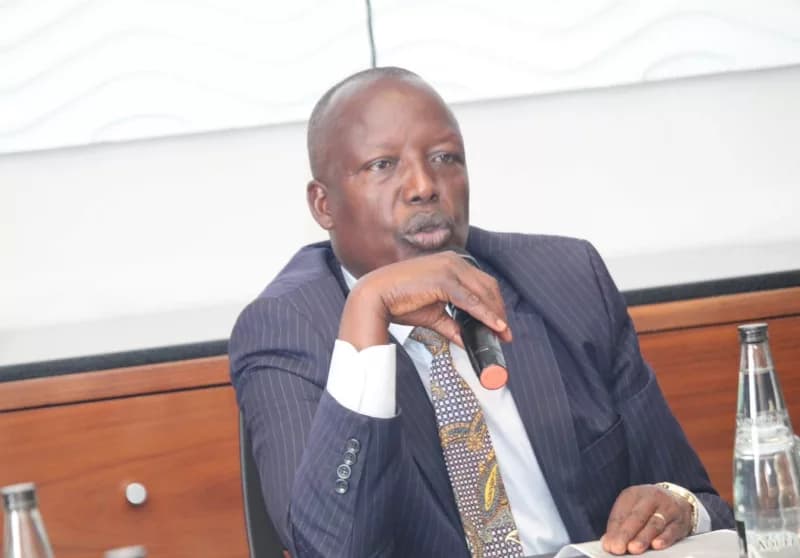
The National Assembly Education Committee during stakeholder engagements on education reform bills on November 3, 2026. /PARLIAMENT

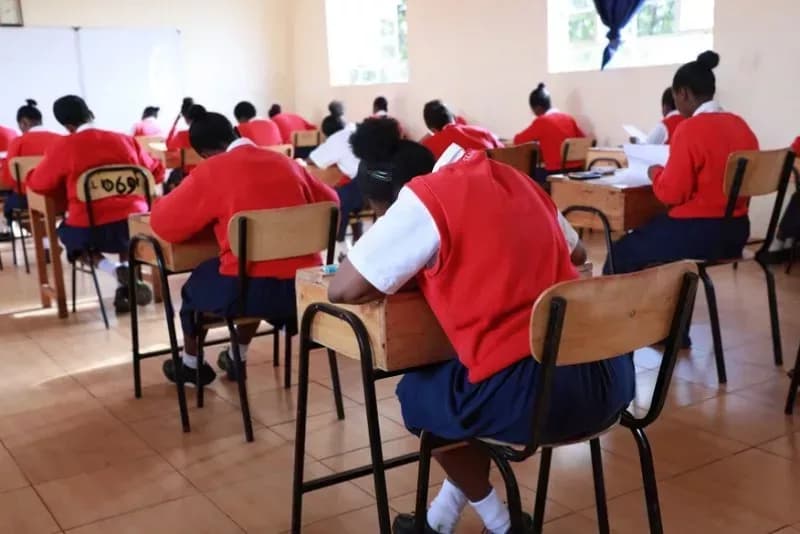
The National Assembly Education Committee has challenged the Ministry of Education to establish clear regulations governing student discipline, warning that schools are increasingly struggling to deal with unruly learners.
Committee members said the proposed Basic Education Bill, 2026, does not adequately address how schools should handle serious cases of indiscipline, particularly where learners assault teachers or attack fellow students.
The concerns emerged on Tuesday during stakeholder consultations on six education reform bills, when the State Department for Basic Education appeared before the committee chaired by Tinderet MP Julius Melly.
Melly took issue with Clause 19 of the Basic Education Bill, arguing that while it protects learners against abuse and corporal punishment, it does not provide sufficient guidance on disciplinary action against those who engage in serious misconduct.
“Schools are now ungovernable. Teachers are very unsafe since students can wake up and manhandle a teacher and they cannot do anything since the student is protected by the law," he told the team led by Principal Secretary John Ololtuaa.
"Some students are now even burning fellow students in schools. So, PS, the issue of student discipline is very important and the ministry must develop very clear regulations.”
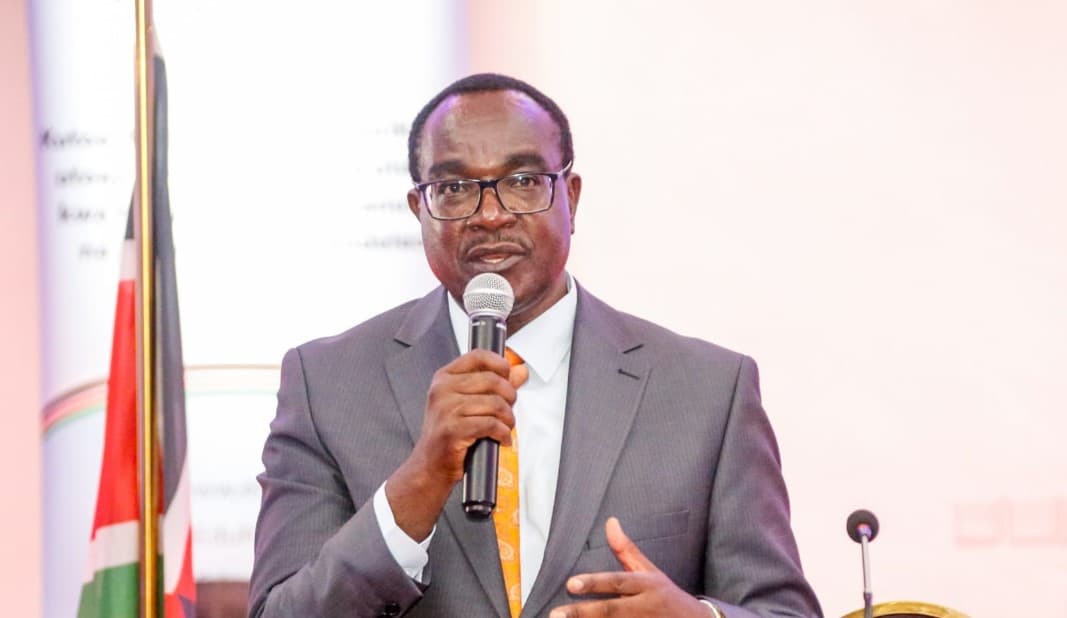
In response, Ololtuaa said the mandate to formulate regulations outlining appropriate disciplinary measures, including the circumstances under which a learner could be suspended, falls on the Cabinet Secretary for Education.
“Clause 19, subsections 2 and 3 state that a learner should not be subjected to corporal punishment, torture, or cruel, inhuman or degrading treatment or punishment of any manner, whether physical or psychological. So, on issues of discipline, the CS must be able to come up with regulations to capture all those aspects,” the PS said.
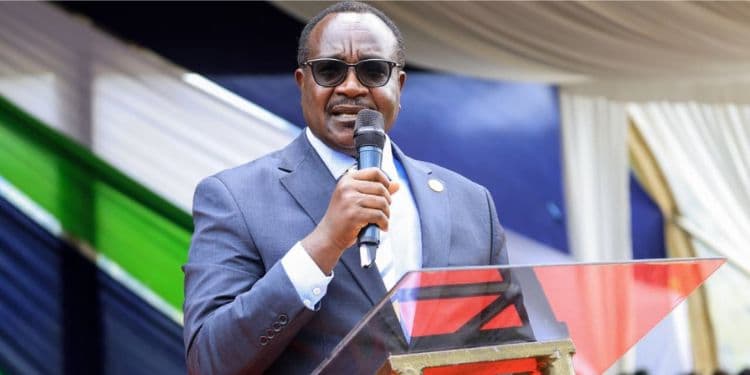
Council of Legal Education chairperson Collins Odote, who accompanied the PS, agreed that the current disciplinary framework was inadequate and required review.
“On the issue of discipline, there must be concession that what we have now is difficult. The current discipline mechanism is not working and there is need to do more,” he said.
The committee also questioned the proposed restructuring of the School Equipment Production Unit (SEPU), which the Basic Education Bill seeks to establish as a Government-Owned Enterprise (GOE).
Lawmakers sought assurances that the ministry would continue securing affordable learning materials for schools if SEPU was moved outside its direct control.
Ololtuaa told the committee that the transfer followed an Executive Order issued after a Cabinet meeting and would therefore have to be implemented.
The committee also heard from the Teachers Service Commission (TSC), led by acting chief executive officer Evaline Mitei.
The commission supported Clause 27 of the Basic Education Bill, which provides for the registration of basic education institutions, arguing that it would ensure that only schools with registered teachers receive registration certificates.
TSC team led by acting chief executive officer Evaline Mitei (R) appears before he committee, November 3 /HANDOUT

However, while making submissions on the Pre-Service Education and In-Service Training Bill, 2026, Mitei and her team opposed provisions in Clauses 50 to 52 dealing with savings, transitional arrangements and revocation.
Mitei said the commission strongly objects converting Kibabii, Kagumo and Lugari TTCs as branches of Kenya School of Education to offer conference facilities.
"The colleges should be left to independently continue training teachers in the new learning areas introduced by the CBE, so as not to deny the country adequate teaching resource,” the acting CEO said.
Other institutions and government agencies that appeared before the committee included the Kenya Medical Training College, the National Treasury, the Ministry of Interior, the Kenya Institute of Special Education, the Higher Education Loans Board and the Technical and Vocational Education and Training Authority.
The committee is scheduled to continue the stakeholder consultations on Thursday, November 6, as it gathers submissions to inform its consideration of the six proposed education laws.
The submissions, together with views and recommendations gathered during public participation forums across the 47 counties, will inform the committee's final report on the six proposed education laws.
Comments
No comments yet. Be the first to share your thoughts.