
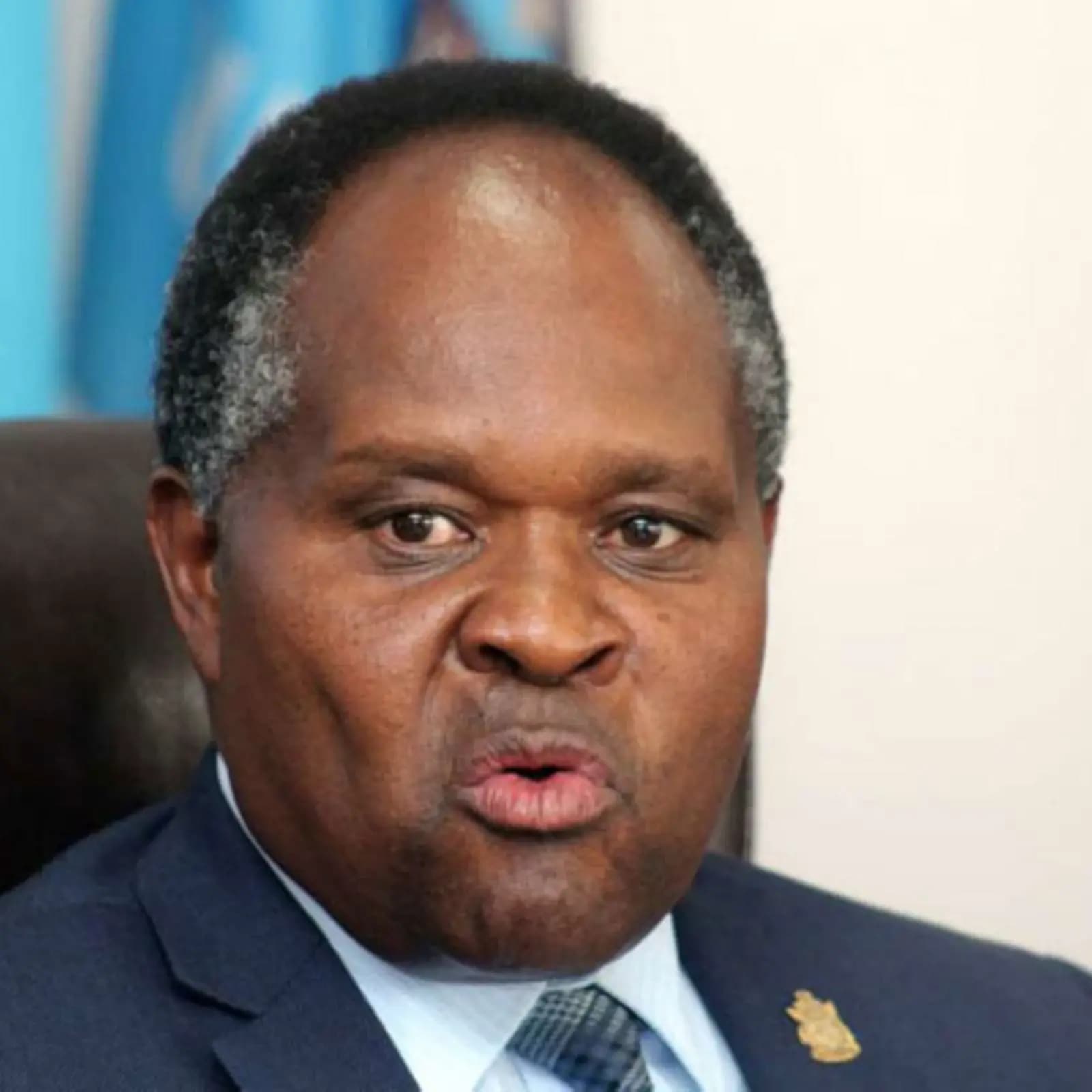
Former University of Nairobi Vice-Chancellor Prof. Peter Mulwa Mbithi has been appointed chairperson of a 52-member Multi-Stakeholder Task Team on Unrest in Schools.
Education Cabinet Secretary Julius Migos Ogamba appointed the team through a Gazette notice dated October 23, 2026.
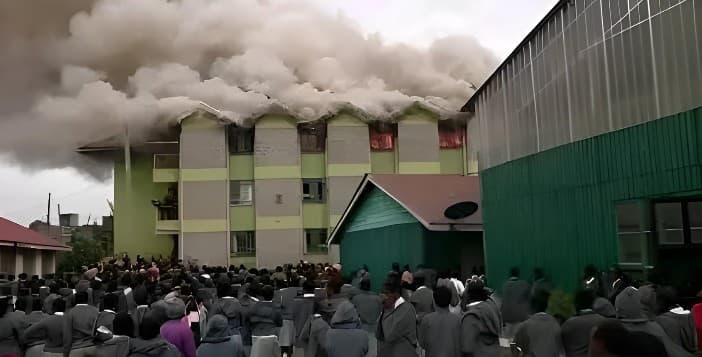
The task team has eight joint secretariat members and will investigate the causes of school unrest and recommend measures to improve safety and discipline in learning institutions.
The team will review previous reports on school unrest, assess the implementation of past recommendations and identify gaps that may have hindered their enforcement.
It will also investigate the immediate, underlying and systemic causes of school unrest reported in 2026, taking into account regional differences, school categories, gender, age, disability and boarding status.
The task team will examine how contemporary social and technological developments contribute to school unrest. These include social media, smartphones, misinformation, examination-related stress and long academic terms.
Other areas of investigation include the quantity and quality of food provided in schools, criminal gangs, religious extremism, alcohol and drug abuse, bullying, peer influence, gender-based violence and copycat behaviour.
The team will recommend appropriate responses to the identified challenges.
It will also review existing school safety, security and disaster risk management policies, assess their implementation and recommend measures to improve emergency preparedness.
Particular attention will be given to boarding schools, including their infrastructure, safeguarding measures and emergency response systems.
The team will also examine compliance with school disaster preparedness obligations under the National Disaster Risk Management Act, No. 16 of 2026, and other relevant laws and frameworks.
The task team will evaluate Kenya’s boarding school model in relation to national education goals and concerns over unrest and fatalities in boarding institutions.
It will advise the government on appropriate policies, practices and governance arrangements for boarding schools.
The team will also assess the policy framework governing school uniforms, including their costs, affordability and mechanisms for acquisition.
Another area of review will be the relationship between the condition of school infrastructure, household school fees, government capitation grants and reported cases of unrest.
The task team will further study the unit cost of education from pre-primary to senior school and recommend a framework for implementing its findings.
The team will review existing frameworks and procedures for maintaining discipline in schools, including rules governing transfers of learners between institutions.
It will also assess the implementation of guidance and counselling services, mental health and psychosocial support, chaplaincy and pastoral programmes, clubs and societies, career development and referral services.
The team will examine whether learners, parents, teachers and other stakeholders have safe and effective channels for raising concerns and receiving timely responses.
It will also investigate ways to promote learners’ health, hygiene, motivation and overall well-being in schools.
The task team will assess the roles and responsibilities of school heads, Boards of Management, sponsors, parents, learners, education authorities, security agencies and other stakeholders in preventing and responding to unrest.
It will also review the current terms and conditions of service and schemes of service for non-teaching staff in basic education institutions and recommend appropriate changes.
The findings are expected to inform recommendations on school governance, safety, learner welfare and the management of education institutions.
According to the Gazette notice, the task team will operate for 90 days from the date of publication.
It is required to submit monthly progress reports to the Cabinet Secretary and a final report at the end of its term.
The team will also invite and consider views from sector stakeholders and members of the public. It will determine the number, timing and location of its meetings and regulate its own procedures.
Ogamba said the task team would have the powers necessary to carry out its mandate and could co-opt other people with relevant expertise where necessary.
“The Task Team shall have all powers necessary for, and may undertake any matter incidental or ancillary to, the proper discharge of its mandate,” Ogamba said.
He added that the team could bring in other people with appropriate competencies to support its work.
The Ministry of Education will provide the secretariat, which will prepare background briefings, compile reports, disseminate relevant information and conduct research. It will also liaise with government departments and other education sector stakeholders to gather information needed for the exercise.
Ogamba said the task team’s expenses would be met from the Ministry of Education’s approved funds or grants and donations secured from development partners.
Such external funding will require approval from the Cabinet Secretary for the National Treasury in accordance with Section 47 of the Public Finance Management Act, Cap. 412A.

Comments
No comments yet. Be the first to share your thoughts.