

The government is proposing major changes to the governance structure of public schools through the proposed Basic Education Bill currently under review by the National Assembly’s Departmental Committee on Education.
Under the proposed Basic Education Bill, the government is seeking the removal of representatives of teaching staff and students’ councils from Boards of Management (BOMs).
Nominees from the National Government Administration Officers (NGAO), alumni associations, and the Basic Education Principal Secretary nominee will replace the teachers and students on the BOMs under the education bill.
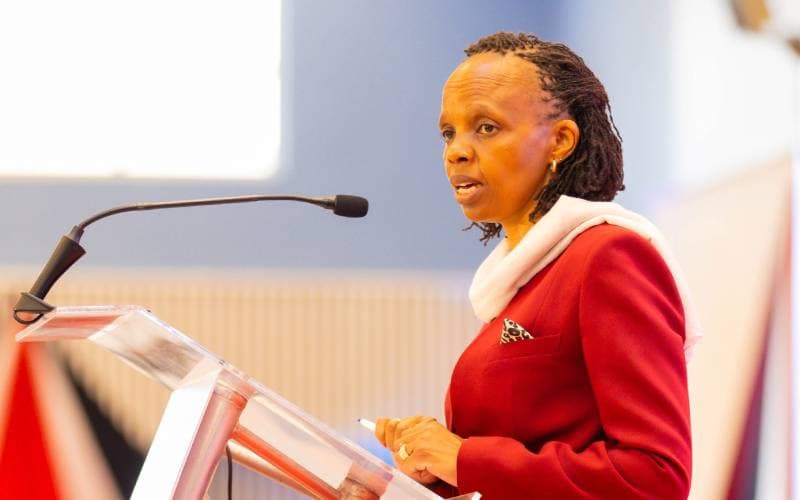
According to Director General for the State Department for Basic Education, Dr. Elyas Abdi, the reform in the BOMs will align the management of schools with the Mwongozo Code of Governance.
“The Bill proposes the removal of representatives of the teaching staff and students’ council from the Boards while introducing representatives from the National Government Administration Officers (NGAO), alumni associations and the Principal Secretary responsible for Basic Education,” the Committee on Education reported.
The change in BOM is among several education reforms currently under consideration by the National Assembly’s Departmental Committee on Education as lawmakers review bills arising from recommendations of the Presidential Working Party on Education Reform (PWPER).
Among the proposed bills under PWPER is the Tertiary Education Placement and Funding Bill, which proposes merging HELB, the Universities Fund, and the TVET Funding Board into a Tertiary Education Funding Authority.
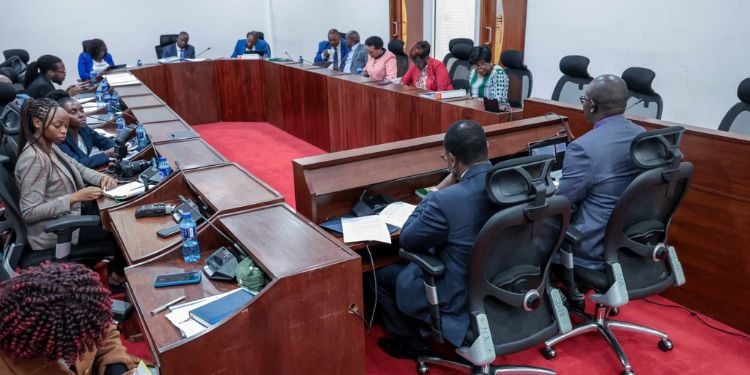
Speaking before the committee on August 6, the ministry officials defended the proposed restructuring, arguing that the changes would strengthen oversight and improve the effectiveness of decision-making in public schools.
Mwongozo Code of Governance under the Proposed Education Bill
Under the proposed Bill, the code of Governance referenced by Elyas Abdi will create effective boards through the removal of internal representatives and replacement with external ones.
The code was issued jointly in January 2015 by the Public Service Commission (PSC) and the State Corporations Advisory Committee (SCAC).
Mwongozo Code of Governance was developed as a parastatal reform recommended by a Presidential Task Force, aligning with the Constitution of Kenya, 2010.
Inclusion of the NGAO, alums, and the Principal Secretary nominee aligns with the Mwongozo code on independent boards focused on governance.
If approved, the changes in school governance would mark a shift in school governance since the enactment of the Basic Education Act, 2013.
The 2013 Act outlines that the BOMs comprise a mix of stakeholders, including parent and community representatives, teaching staff representatives elected by teachers, sponsor representatives where applicable, special interest groups, and the head of the institution serving as secretary to the board.
Exclusion of Teachers and Students’ Council Concerns
During the committee session chaired by Tinderet MP Julius Melly, the lawmakers raised their concerns on whether teachers and students had been consulted on the proposed management changes.
Members also raised concerns about the practicality of introducing alumni representatives, particularly in institutions where alumni associations may not be active.
Responding to the concerns, Ministry official Dr. Abdi told lawmakers that consultations had been undertaken during the development of the reforms.
Supporters of the reforms say the inclusion of NGAO representatives will strengthen coordination between schools and national government structures.
While MPs questioned how alumni representation would work in practice, the Ministry maintained that former students could play an important role in strengthening institutions and supporting long-term development plans.
Follow our WhatsApp Channel and X Account for real-time news updates.

Comments
No comments yet. Be the first to share your thoughts.