

International schools in Kenya continue to attract thousands of applications from teachers seeking better pay, career growth and opportunities to work in globally recognized education systems.
Unlike most public and private schools that follow the Competency-Based Curriculum (CBC), international schools offer programmes such as the British National Curriculum, Cambridge International, International Baccalaureate (IB) and the American curriculum.
As such, securing a teaching position at these institutions requires more than a teaching degree.
Schools in this category are looking for qualified educators with relevant experience, international teaching competencies and a strong commitment to safeguarding learners.
Here is everything you need to know about becoming an international school teacher in Kenya in 2026.
International schools are private institutions that follow internationally recognized curricula and often serve both Kenyan and expatriate families.
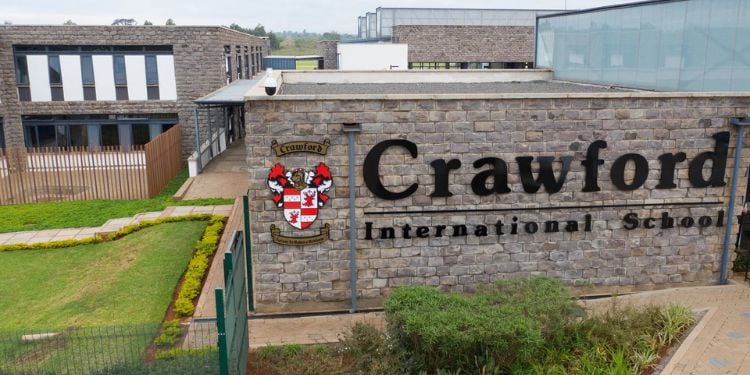
Some of Kenya’s best-known international schools include the International School of Kenya (ISK), Braeburn Schools, Brookhouse School, Peponi School, Hillcrest International School, Crawford International, Nova Pioneer and Sabis International School.
These schools prepare students for internationally recognized qualifications that enable them to pursue higher education around the world.
International School Teacher: Minimum Qualifications Required
Most international schools require applicants to have at least:
- A Bachelor’s Degree in Education or a bachelor’s degree in a teaching subject.
- A recognized teaching qualification such as a Bachelor of Education (B.Ed), Postgraduate Diploma in Education (PGDE) or Postgraduate Certificate in Education (PGCE).
- Strong spoken and written English communication skills.
- Professional teacher registration where applicable.
Some schools require Teachers Service Commission (TSC) registration, while others place greater emphasis on international teaching qualifications and curriculum experience.
Experience Gives Candidates an Advantage
Teaching experience remains one of the biggest factors considered during recruitment.
Many international schools prefer candidates with:
- At least two to five years of classroom teaching experience.
- Experience teaching international curricula such as the Cambridge, British, IB, or American curricula.
- Strong classroom management skills.
- Experience working in multicultural learning environments.
Teachers who have demonstrated strong learner outcomes and leadership experience are considered more competitive.
Professional Training Can Improve Your Chances
Teachers looking to strengthen their credentials can also pursue specialized training designed for international education.
One such option is the Certificate in International Teaching (CIT) offered by Kenyatta University’s School of Education and Lifelong Learning in collaboration with Aga Khan Education Services Kenya.
The professional enrichment programme is designed for Bachelor of Education graduates seeking to develop the competencies required to teach effectively in multicultural and internationally benchmarked learning environments.
According to Kenyatta University, the programme responds to the growing demand for globally minded and culturally responsive teachers while supporting Kenya’s education reforms and Sustainable Development Goal 4 on quality education.
The programme equips teachers with cross-cultural teaching competencies, exposes them to diverse international teaching methods and helps strengthen their professional profiles for careers in international schools both in Kenya and abroad.
Entry Requirements
Applicants must have:
- A Bachelor’s Degree in Education or a recognised Teacher Education qualification.
- Valid Teachers Service Commission (TSC) registration.
They are also required to submit:
- A Curriculum Vitae (CV) not exceeding two A4 pages.
- A one-page motivation letter explaining why they wish to gain international teaching experience and why they are suitable for the programme.
- A Certificate of Good Conduct or proof of application.
The programme runs for nine months, comprising three months of coursework followed by a six-month internship, and is delivered through Virtual Open Learning.
Additional Qualifications That Strengthen an Application
Besides a teaching degree, international schools often give preference to candidates who possess:
- International Baccalaureate (IB) educator certification.
- Cambridge professional development training.
- Child safeguarding certification.
- Special Educational Needs (SEN) training.
- English as a Second Language (ESL/EAL) certification.
- A Master’s degree in Education or a related discipline.
Continuous professional development is highly valued, with schools seeking evidence that teachers regularly update their knowledge and skills.
Salary Expectations in 2026
International schools are among the highest-paying employers in Kenya’s education sector.
Schools in this category also offer attractive employment benefits, including:
- Comprehensive medical insurance.
- Housing allowance or accommodation.
- Pension contributions.
- Professional development sponsorship.
- Tuition discounts for employees’ children.
- Relocation support for expatriate teachers.
How to Apply
The recruitment process at international schools is often more detailed than in many public and private schools.
Meet the Basic Requirements
Most schools expect applicants to have at least a Bachelor’s degree or its equivalent, together with recognized teacher training.
Employers also assess whether candidates understand and are committed to the school’s philosophy, mission and educational values.
Prepare Your Application
Applicants should prepare a professional application package containing:
- An updated Curriculum Vitae (CV).
- A tailored cover letter.
- Academic certificates and transcripts.
- Teaching qualification certificates.
- TSC registration certificate where applicable.
- National ID or passport.
Schools also expect applicants to provide reference contacts, including email addresses and telephone numbers of current and recent supervisors.
Safeguarding Requirements
Safeguarding is a key part of the recruitment process in international schools.
Most schools require applicants to submit a valid Police Clearance Certificate from their current country of employment or a Kenya Certificate of Good Conduct. Candidates are also expected to sign a declaration confirming they have no history of child abuse, misconduct, or safeguarding concerns involving learners.
Professional referees are contacted before appointments are confirmed, and successful applicants undergo background checks as part of the hiring process.
Interviews and Teaching Demonstrations
Shortlisted candidates are invited to interviews, which may be conducted online or in person.
During the interviews, schools evaluate a candidate’s subject knowledge, classroom management, communication skills, understanding of the curriculum, and ability to create a safe learning environment.
Many international schools also require applicants to conduct a demonstration lesson, allowing recruitment panels to observe their teaching style, lesson planning and interaction with learners before making a hiring decision.
Where to Find International School Jobs
Teaching vacancies are commonly advertised through:
- Official school websites.
- LinkedIn.
- TES (Times Educational Supplement).
- Schrole.
- Search Associates.
- International education recruitment agencies.
Common Reasons Applications Are Rejected
Even qualified teachers sometimes fail to secure interviews because of avoidable mistakes.
Some of the most common include:
- Generic CVs that are not tailored to the position.
- Little or no experience with international curricula.
- Weak cover letters.
- Poor professional references.
- Limited understanding of safeguarding requirements.
- Poor interview preparation.
Skills Employers Want
Beyond academic qualifications, international schools look for teachers with excellent classroom management, strong communication skills, and the ability to integrate technology into learning.
Other skills include teamwork, differentiated instruction, effective parent engagement, cultural awareness, and learner-centred teaching approaches.
Follow our WhatsApp Channel and X Account for real-time news updates.

Comments
No comments yet. Be the first to share your thoughts.