
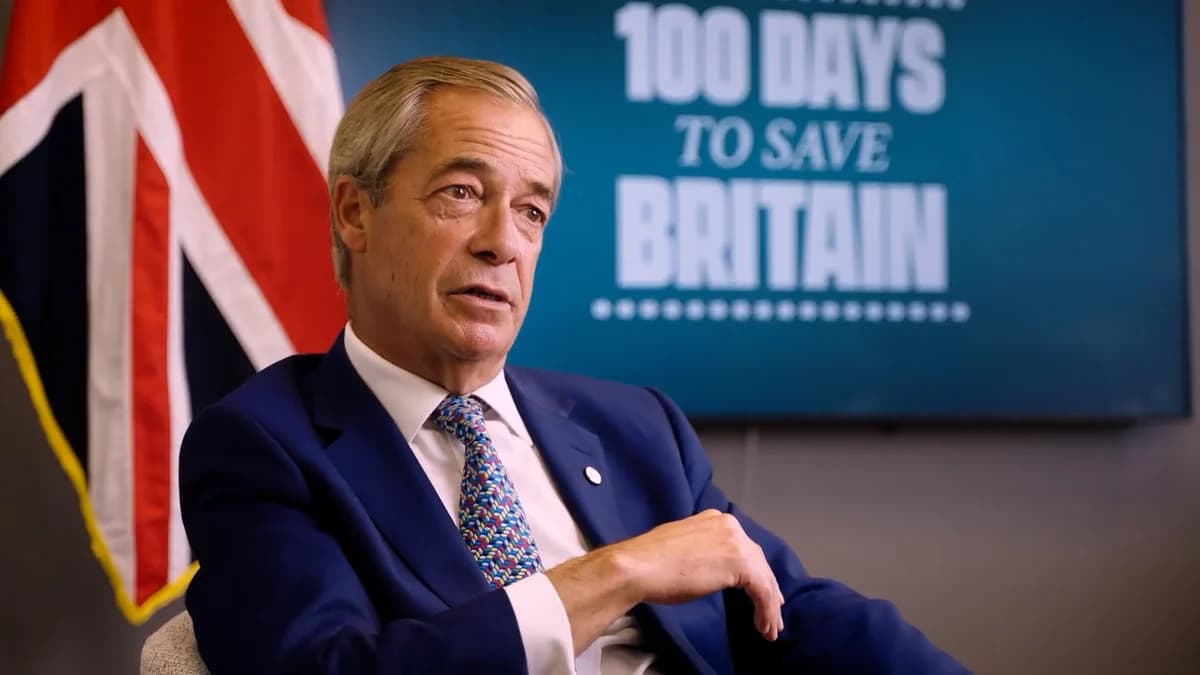
Nigel Paul Farage is a British politician, broadcaster and media personality born on 3 April 1964 in Farnborough, Kent, England.
The son of stockbroker Guy Justus Oscar Farage and Barbara Stevens, he grew up in a relatively prosperous family in the south-east of England and was educated at the private Dulwich College in south London.
Farage first entered politics as a Conservative Party member in his teens before becoming a leading Eurosceptic voice.
He served as a Member of the European Parliament for South East England from 1999 until the United Kingdom’s withdrawal from the European Union in 2020.
He led the UK Independence Party during key periods, founded the Brexit Party, which was later rebranded Reform UK, and has been Leader of Reform UK and Member of Parliament for Clacton since 2024.
Table of Contents
ToggleSiblings
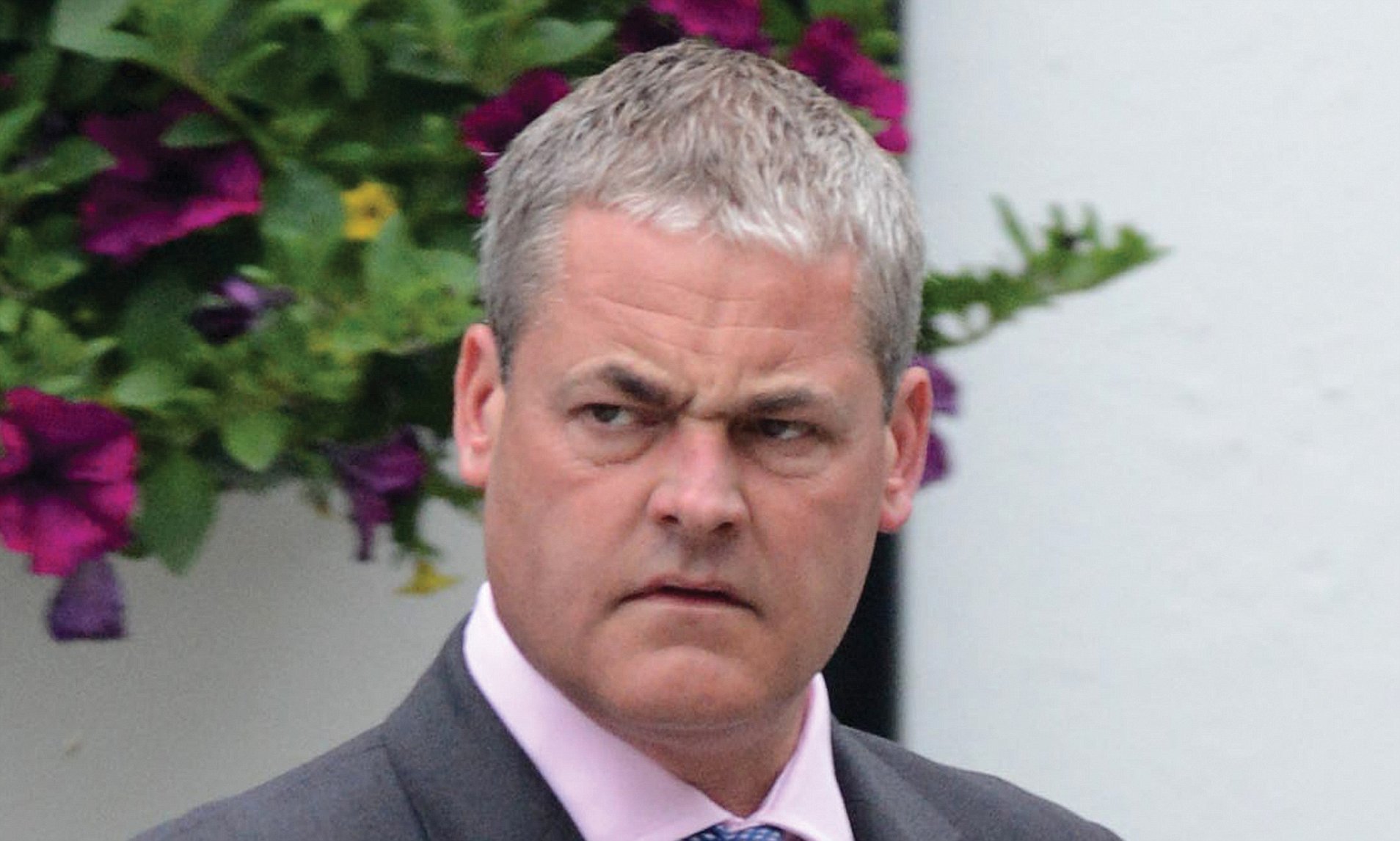
Nigel has one full sibling, a younger brother named Andrew Farage, born around 1966.
The brothers were raised largely by their mother after their father left the family home when Nigel was five.
Andrew followed a similar path into the City of London as a commodities broker and at one point worked with his brother in a metals broking firm called Farage Limited.
He has generally kept a much lower public profile than Nigel, though he has occasionally appeared in media reports concerning personal financial matters.
Farage also has two half-siblings from his mother’s second marriage to local businessman Richard Tubb: a half-sister named Melanie, born in 1971, and a half-brother named Julian, born approximately four years later.
Career
After leaving school in 1982 without attending university, Farage began working as a commodities trader in the City of London, first with Drexel Burnham Lambert and later with other firms including Crédit Lyonnais Rouse, Refco and Natixis Metals.
He remained in the financial sector into the early 2000s while becoming increasingly involved in Eurosceptic politics.
He left the Conservatives in 1992 in protest at the Maastricht Treaty and helped found the UK Independence Party the following year.
Elected to the European Parliament in 1999, he was re-elected in subsequent contests and became a prominent and often confrontational figure in the chamber.
He served as UKIP leader from 2006 to 2009 and again from 2010 to 2016, guiding the party to first place in the 2014 European elections.
After resigning the leadership following the 2016 referendum, he founded the Brexit Party in 2019, which later became Reform UK.
In 2024 he returned as Reform UK leader, won the Clacton parliamentary seat, and has continued to shape British political debate through his parliamentary role and broadcasting work on channels such as GB News.
Accolades
Under his leadership UKIP topped the national poll in the 2014 European Parliament elections, the first time in modern history that a party other than the Conservatives or Labour had done so.
The Brexit Party he founded similarly secured the largest share of the vote in the 2019 European elections.
He is widely credited with helping force the 2016 EU membership referendum onto the national agenda and with contributing to the Leave campaign’s victory.
In the media sphere he has received recognition for his broadcasting, including consecutive wins of the Television and Radio Industries Club Award for Best News Presenter for his work on GB News.
He has also been awarded Campaign of the Year at the Pagefield Press Awards for his exposure of the debanking practices that affected him and others.
Comments
No comments yet. Be the first to share your thoughts.