

Kenya’s fashion industry in 2026 is increasingly defined by sustainability, cultural heritage, and conscious innovation, as showcased at Nairobi Fashion Week 2026.
Nairobi Fashion Week 2026 was held from January 28 to 31 under the theme “Decarbonize,” with the event positioning itself as more than a runway showcase.
Furthermore, the event became a platform for designers, industry leaders, and consumers to engage in conversations about climate-conscious fashion, ethical production, and African fashion.
Designers showcased during the event promoted eco-conscious fashion through upcycling, ethical manufacturing, artisanal craftsmanship, and the use of locally sourced materials.
“The future of fashion is not just about what looks beautiful, but rather fashion is about what lasts and tells a story,” Crown and Step Fashions emphasized during Nairobi Fashion Week 2026
Sustainability in Nairobi Fashion Week
According to organizers and participants in the event, one of the strongest highlights of the 2026 edition was its commitment to sustainability.
Through the “Decarbonize” theme, organizers encouraged stakeholders across the fashion value chain to rethink how garments are designed, produced, marketed, and consumed.
Discussions focused on slow fashion, reducing waste, responsible sourcing, and building environmentally conscious fashion supply chains.
The sustainability message extended beyond the runway, with panel discussions and industry forums exploring how African designers can drive growth without replicating the environmentally damaging production systems in the fashion industry.
In addition, industry experts, designers, and entrepreneurs used the event to highlight the need for long-lasting garments and production models that prioritize both people and the environment.
Best Designers and Brands of 2026
Among the standout brands and designers at Nairobi Fashion Week 2026 was Maisha by Nisria, which displayed designs that redefined upcycling as a modernized fashion concept.
The brand displayed garments made from recycled and repurposed textiles, showing how discarded materials can be transformed into contemporary fashion.
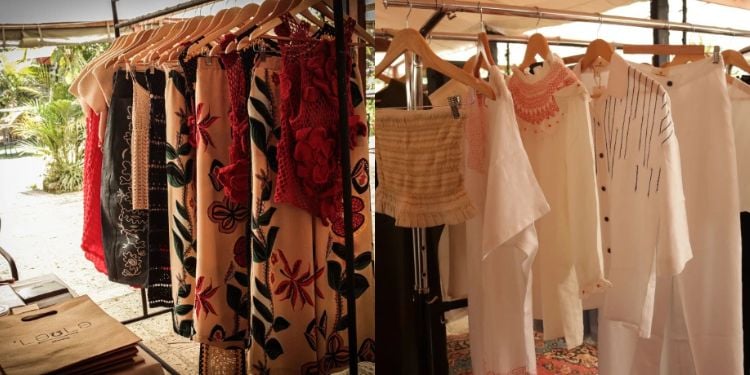
On the other hand, Studio Lola emerged as one of the event’s leading sustainable brands for its commitment to handmade fashion.
Studio Lola’s label works closely with artisans to produce timeless pieces that outlast seasonal trends.
Additionally, Studio Lola showcased handcrafted designs made from African materials that blended traditional craftsmanship with modern fashion sensibilities.
During the Nairobi Fashion Week 2026, the participation of both local and international designers added creative diversity to the event while maintaining African storytelling, heritage, and responsible production.
“The clearest message from this year’s edition was that African fashion can be innovative, commercially viable, and climate-conscious at the same time,” noted Nairobi Fashion Week’s event organizers.
Commerce and Industry Growth
Beyond fashion presentations, Nairobi Fashion Week 2026 emphasized the business side of the industry.
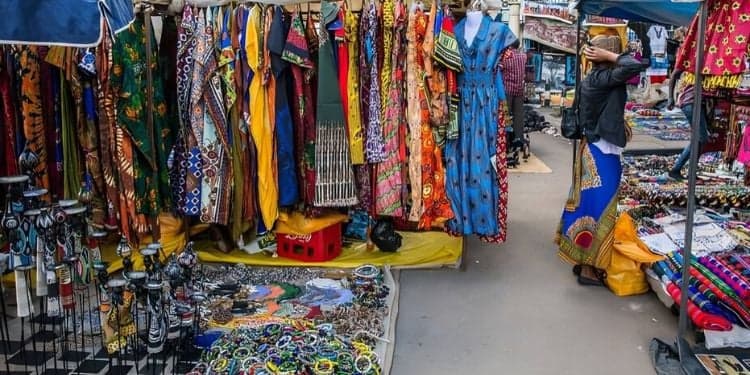
The week opened with a networking cocktail event at Mateo’s in Karen, followed by a fashion pop-up market that connected designers directly with buyers, retailers, investors, and consumers.
Further, during the event, the organizers used a commercial approach that highlighted the growing maturity of Kenya’s fashion sector, a shift from fashion events functioning as cultural events to the fashion week creating opportunities for partnerships, sales, and brand expansion.
In addition, the designer masterclasses and professional workshops further strengthened the event’s industry value through the offering of practical guidance on branding, sustainability, marketing, and scaling fashion businesses.
Trends That Defined the Event
Designers at the event used upcycling production as a creative approach to produce high-quality, commercially viable fashion.
Further local craftsmanship featured prominently across the runway, with designers celebrating handwoven fabrics, artisanal techniques, and traditional production methods.
The 2026 edition reinforced Nairobi’s reputation as one of Africa’s leading fashion cities.
In addition, the coverage surrounding the event positioned the Kenyan capital as a key voice in sustainable fashion discussions across the continent.
Follow our WhatsApp Channel and X Account for real-time news updates.


Comments
No comments yet. Be the first to share your thoughts.