
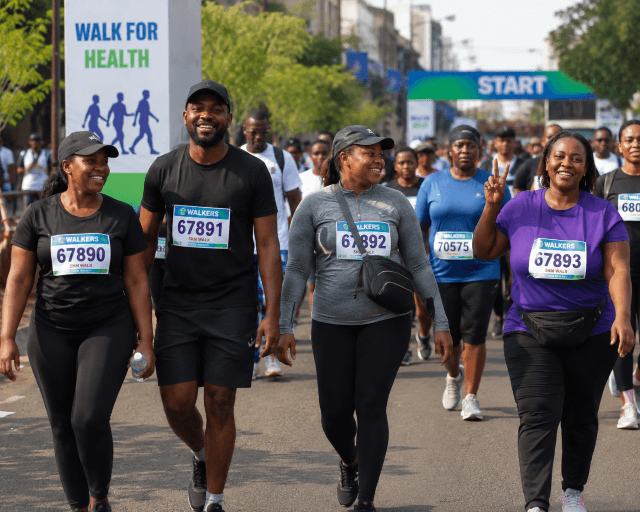
A few months ago, the idea of walking a marathon felt impossible. The thought of spending hours on my feet seemed like something only “fit people” could do. Every marathon photo I saw online featured smiling people in activewear, and I was convinced I didn’t belong in that world.
This year I signed up for a marathon. Not because I was ready, but because I wanted to become the kind of person who could do hard things. I had started with short walks around my neighbourhood. Then they became longer. My body is stronger. My confidence has grown. I realised something important: you do not have to be fit to start training for a marathon. You simply have to be willing to begin.
If you’re unfit and dreaming of completing a walking marathon, here are nine tips to help you prepare.
1. Start small. Give yourself permission to be a beginner
One of the biggest mistakes beginners make is trying to do too much too soon. If you haven’t exercised in a while, start with 15-20 minutes of walking three or four times a week. Your goal in the beginning isn’t speed or distance—it’s consistency.
As your fitness improves, gradually increase your walking time and distance. Remember, the person who walks for 20 minutes consistently will progress much further than the person who attempts a 10-kilometre walk and then quits because it’s too hard.
2. Build your distance gradually
The body adapts slowly, and that’s a good thing. Increase your total distance by small amounts every week rather than making huge jumps.
A good goal is to gradually increase your longest walk. If you comfortably walk 5000 steps this week, try 6000 steps or 7000 steps next week. Gradual progression helps your muscles, joints, and cardiovascular system become stronger while reducing the risk of injury.
3. Create a training schedule and stick to it
Treat your training like an important appointment. Schedule your walks in your calendar and protect that time. Aim for three to five walks each week, mixing shorter walks with one longer walk on the weekend.
Consistency matters far more than perfection. Missing one workout isn’t a failure. Giving up entirely is. If you miss a day, simply start the next day again.
4. Invest in good walking shoes and comfortable clothing
You don’t need expensive equipment, but proper footwear is essential. A supportive pair of walking shoes can prevent blisters, reduce knee pain, and make long distances much more comfortable. Wear moisture-wicking clothes, comfortable socks, and if possible, train in the same outfit you plan to wear on marathon day.
Never try brand-new shoes or clothing during the event itself. Your long training walks should help you discover what works best for your body.
5. Practice long walks and time on your feet
A walking marathon isn’t only about distance—it’s about spending several hours on your feet.
Once a week, schedule a longer walk and slowly increase the duration. Your body needs time to adapt to standing, walking, and moving continuously.
These long walks are also an opportunity to test your hydration, snacks, clothing, and pacing strategy. By marathon day, nothing should feel unfamiliar.
6. Strengthen and stretch your body
Walking may seem simple, but it uses your entire body. Adding two short strength sessions each week can significantly improve your endurance and reduce injuries. Focus on exercises that strengthen your legs, hips, core, and lower back.
Equally important is stretching. Gentle stretches after your walks can improve flexibility, reduce stiffness, and help your body recover more quickly.
7. Pay attention to nutrition and hydration
You cannot out-walk poor nutrition. As your walking distances increase, your body will need more energy and better recovery. Eat balanced meals that include protein, fruits, vegetables, and healthy carbohydrates.
Drink water regularly throughout the day and practice drinking during your long walks. You may also discover that you need snacks such as bananas, nuts, or energy bars for longer distances.
Training your stomach is just as important as training your legs.
8. Listen to your body and prioritise recovery
There is a difference between discomfort and pain. Some soreness is normal when you begin training, but sharp pain, dizziness, or persistent aches should never be ignored. Rest days are not a sign of weakness—they are when your body repairs itself and becomes stronger.
Prioritise sleep, take recovery days, and don’t feel guilty about slowing down when your body needs it.
9. Train Your Mind for the Journey Ahead
Completing a marathon is as much a mental challenge as it is a physical one. There will be days when you feel tired, unmotivated, or discouraged. You may wonder if you’re capable of finishing. This is completely normal.
Break the journey into small milestones. Celebrate your first 5 kilometres, your first hour-long walk, and your longest training session. Every step is evidence that you are becoming stronger than you were yesterday.
The goal isn’t to become the fastest walker. The goal is to become someone who keeps going, even when things get difficult.
When marathon day finally arrives, remember this: every person at the starting line has a story. Some were athletes. Others, like you, simply decided that they wanted more from themselves.
You do not need to be fit to start. You need courage to take the first step, patience to keep showing up, and faith that your body can do more than you think.
So if you’ve been waiting until you’re “ready,” stop waiting. Put on your walking shoes today. Walk around your block. Then do it again tomorrow.
One day, sooner than you think, you’ll look back and realise that the person who once struggled to walk for twenty minutes just completed a marathon.
These tips are also for me as I practice for my first marathon in October.
Check out
5 Treadmill Walking Mistakes To Avoid
Health & Fitness: 8 Benefits Of Walking
![Medina Hospital, GCTRH Among Garissa Health Facilities Approved by SHA [Full List]](/_next/image?url=https%3A%2F%2Fstorage.googleapis.com%2Ferrands-mwendaa.firebasestorage.app%2Fimages%2F3c424ad04fde631b5abb874aae700fecb7ac4a08.jpg&w=3840&q=75)


Comments
No comments yet. Be the first to share your thoughts.