
Preparing for a marathon is not just about walking or running long distances. What you eat in the weeks and days leading up to race day can make a significant difference to your energy levels, endurance, recovery and ability to finish strong.
Whether you’re walking a marathon, running one, or preparing for a half-marathon, your body needs enough carbohydrates for energy, protein to repair muscles, healthy fats for overall health, and fluids to replace what you lose through sweating.
The goal is not to eat perfectly or go on a restrictive diet. It is to fuel your training, build up your energy reserves and arrive at the starting line well-nourished.
What to eat in the weeks before a marathon
Carbohydrates are especially important during long runs and walks because your muscles use stored carbohydrate, called glycogen, for energy.
Good options in Kenya include ugali, rice and chapati, sweet potatoes, arrowroots and potatoes, ats, bread and porridge, bananas, oranges and other fruits, githeri and beans, which also provide fibre and protein. Make sure you include carbohydrates in your main meals, particularly around longer training sessions.
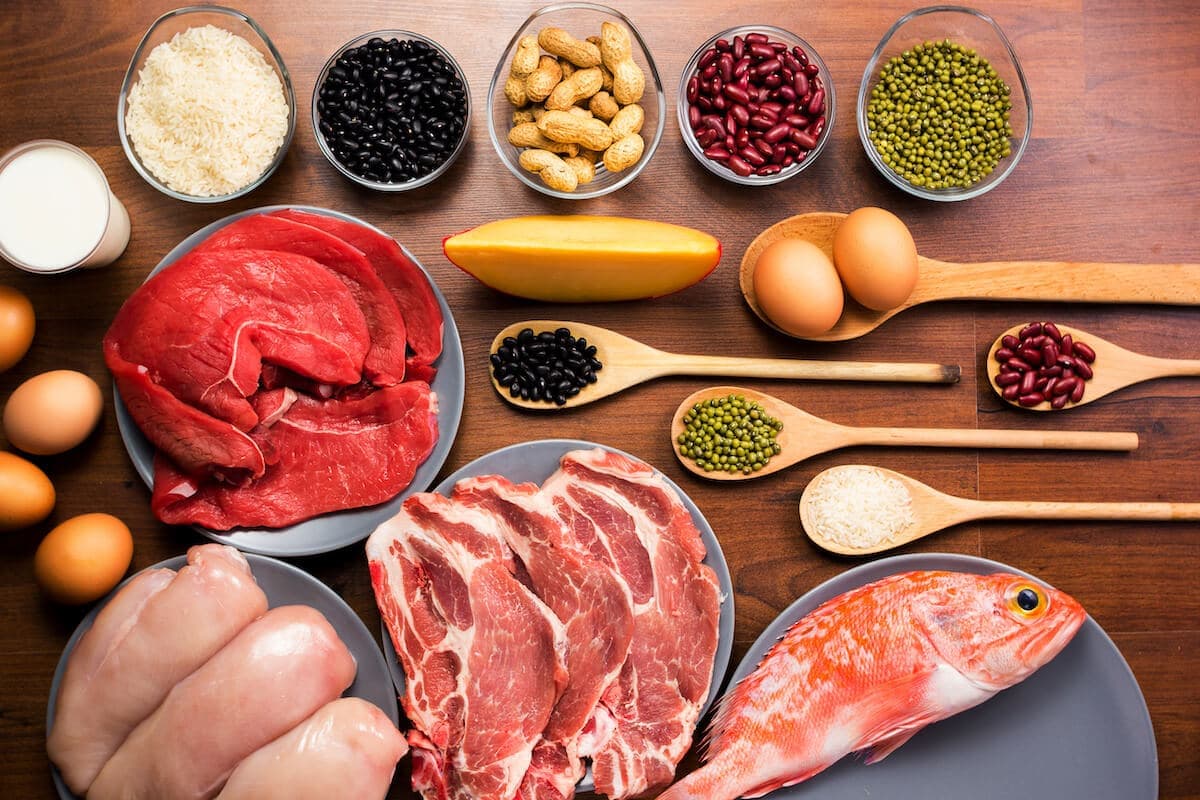
Protein: For muscle repair and recovery
Training creates stress on your muscles. Protein helps repair muscle tissue and supports adaptation to exercise. Spread protein across your meals rather than eating most of it at dinner. Pairing protein with carbohydrates after training helps replenish energy and support recovery.
Include:
-
Eggs, milk, mala and yoghurt
-
Fish, chicken and lean meat
-
Beans, green grams and ndengu
-
Omena and other fish
-
Groundnuts and other nuts
Healthy fats: For overall health
Fats support normal body functions and provide energy during lower-intensity exercise. Choose avocado, groundnuts, seeds, nuts, and vegetable oils. You don’t need to eliminate fats, but avoid very fatty meals immediately before a long training session because they may slow digestion.
Drink water regularly throughout the day and around training. On long sessions, particularly in hot weather, you may also need sodium and other electrolytes. Water, milk, soups and water-rich fruits all contribute to fluid intake. Don’t force excessive amounts of water; drinking too much can be dangerous.
How to eat as race day approaches
2–4 weeks before the marathon
-
Eat enough to support your increasing training mileage.
-
Practise eating before and during long training sessions.
-
Test different snacks and drinks to see what your stomach tolerates.
-
Include iron-rich foods such as beef, beans, lentils and leafy greens. Pair plant-based iron sources with vitamin C-rich foods.
5–7 days before
-
Keep eating balanced, regular meals.
-
Reduce training volume according to your training plan.
-
Increase carbohydrate portions as the race approaches, especially in the final 36–48 hours for a marathon-length endurance event.
-
Choose familiar, easily digested meals and avoid experimenting with new supplements or foods.
-
Make carbohydrates the main part of your meals.
-
Choose foods such as rice, pasta, bread, potatoes, bananas and porridge.
-
Reduce unusually large portions of beans, raw vegetables and other high-fibre foods if they cause bloating.
-
Drink regularly throughout the day.
-
Get enough sleep and avoid alcohol.
Race morning
-
Eat a familiar, carbohydrate-rich breakfast about 2–4 hours before starting.
-
Try porridge with banana, bread with honey, or toast with jam.
-
Drink a comfortable amount of water; avoid drinking excessive quantities at once.
-
If you are hungry closer to the start, a small snack such as a banana may help.
Carbohydrate loading is particularly useful for events lasting longer than about 90 minutes. It means increasing carbohydrate intake while reducing training, not simply eating a huge meal the night before. The amount needed depends on your body weight, event duration and training demands.
What should you eat during long training sessions?
Do not wait until marathon day to work out your fuelling strategy. Practise it during your longest training walks or runs.
For exercise lasting longer than 60–90 minutes, carbohydrate during the session can help delay fatigue. A common starting guideline is 30–60 g of carbohydrates per hour, adjusted to your pace, duration and tolerance.
Easy to carry and provide carbohydrates. Try a small portion before or during a long session.
Bread with honey or jam
A convenient source of carbohydrates before exercise or during a long break.
Energy gels or sports drinks
Useful during longer sessions because they deliver carbohydrates without requiring a large amount of solid food. Practise using them first.
Boiled potatoes
A practical alternative for people who prefer savoury foods, particularly during long walks.
If you are walking rather than running, you may be exercising for considerably longer. You still need fuel, and you may benefit from small, regular snacks instead of waiting until you feel exhausted.
Hydration: Don’t overlook it
-
Drink water regularly during the days leading up to the event.
-
Start your long sessions hydrated and drink at intervals during exercise.
-
Consider an electrolyte drink during prolonged exercise, especially in hot or humid conditions or if you sweat heavily.
-
Use thirst, weather, sweat rate and your experience during training to guide your fluid intake.
-
Avoid both severe dehydration and excessive water consumption, which can cause dangerously low blood sodium.
A sample day’s meal plan for marathon training
Here is a simple example using familiar foods in Kenya. Adjust portions to your appetite, body size and training workload.

BREAKFAST
Porridge, banana and eggs
Carbohydrates for energy, with protein to support muscle recovery.
MID-MORNING
Banana and yoghurt
A useful combination of carbohydrates, protein and fluids.
LUNCH
Ugali, beef stew and sukuma wiki
Carbohydrates, protein, iron and other micronutrients.
AFTERNOON OR PRE-TRAINING SNACK
Sweet potato and milk
A useful option when you need additional fuel. Allow time to digest before exercising.
Rice, beans and cooked vegetables
Provides carbohydrates, plant protein and fibre to support everyday nutrition.
After a long training session, eat a meal or snack containing carbohydrates and protein. If you cannot have a full meal soon after finishing, yoghurt and a banana, milk and bread, or eggs with toast can be practical options.
 Common nutrition mistakes to avoid
-
Trying to lose weight aggressively while increasing mileage. Under-fuelling can impair recovery, increase fatigue and raise injury risk. If weight loss is one of your goals, avoid a severe calorie deficit during demanding training.
-
Eating too much fibre just before the race. Beans, githeri and lots of raw vegetables are nutritious, but large amounts close to the start may cause digestive discomfort.
-
Waiting until you feel tired to eat. Practise a fuelling schedule during training.
-
Trying unfamiliar energy gels, supplements or drinks on race day. Test them beforehand.
-
Assuming water alone is always enough. Longer events may require carbohydrate and sodium as well as fluids.
-
Ignoring persistent fatigue. If you feel unusually exhausted, dizzy or weak during training, review your fuelling and hydration and seek medical advice if symptoms persist.
Check out
Trying To Lose Weight And Build Muscle? Here Are 10 Protein Sources You Can Easily Get in Kenya
Walking Or Running A Half Marathon: How To Get To The Finish Line
9 Tips For Getting Ready For A Walking Marathon For Beginners
Magnesium: 10 Best Food Sources, Health Benefits And How To Use It In Your Fitness Routine


Comments
No comments yet. Be the first to share your thoughts.