
Researchers urge climate change to be declared global health emergency

According to the report, heat was linked to a record 710,000 deaths worldwide in 2023, with more than 70 per cent of the burden attributed to human-caused climate change.
Researchers are calling for climate change to be formally recognised as a global health emergency, warning that heat-related deaths and other climate-driven health risks are increasing faster than efforts to mitigate them and protect people.
The call comes in the 2026 Lancet Countdown on Health and Climate Change report, released ahead of the November-scheduled COP31 climate summit, which brings countries together to discuss global action on climate change. The report was developed by an international team of researchers in collaboration with the World Health Organisation (WHO).
It draws on 54 indicators tracking the links between climate change and health and brings together the work of 146 researchers from more than 100 institutions across over 30 countries.
The report found that annual average heat-related deaths rose by nearly 36 per cent in the years following the Paris Agreement, a global climate treaty adopted by countries in December 2015, compared with the previous decade.
According to the report, heat was linked to a record 710,000 deaths worldwide in 2023, with more than 70 per cent of the burden attributed to human-caused climate change.
“Climate change is already harming health in every region of the world, and the evidence shows that many of these impacts are accelerating,” said Dr Diarmid Campbell-Lendrum, head of WHO's climate change, air quality and health unit.
Latest Stories
- ODM set to issue fresh ultimatums to Ruto at Nairobi rally as coalition tensions escalate
- UK maritime security agency warns of possible piracy in Gulf of Aden
- UoN given 14 days to account for Sh1.4 billion in unpaid pensions, Sh50 million in taxes
- Tanzania: One year on, families seek justice after election violence
“As countries prepare for COP31, placing health at the centre of climate policies can help protect communities, strengthen resilience and deliver immediate benefits for people’s health and well-being.”
The researchers want governments to make health protection central to climate policies and funding decisions, including by speeding up cuts to greenhouse gas emissions and investing more in measures that help communities cope with climate-related threats.
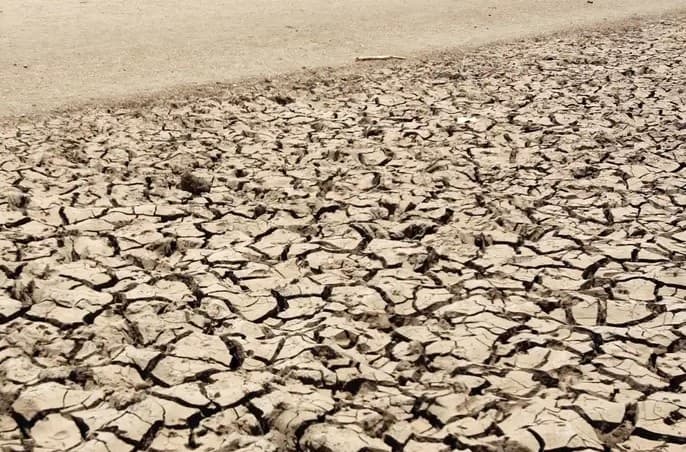
The report also points to worsening drought, greater exposure to extreme water-related events and economic losses linked to heat, warning that these risks are growing even as countries invest in solutions.
Global investment in clean energy reached a record $2.1 trillion (Sh272.9 trillion) in 2025, while countries that have reduced air pollution from fossil fuels are estimated to be preventing thousands of premature deaths each year.
More countries are also adopting plans to prepare health systems for climate change and using early warning systems to alert communities to climate-related dangers.
However, the report's authors say progress has not kept pace with the health risks, and they are urging governments to increase funding for climate adaptation and strengthen health services against future threats.


Comments
No comments yet. Be the first to share your thoughts.