
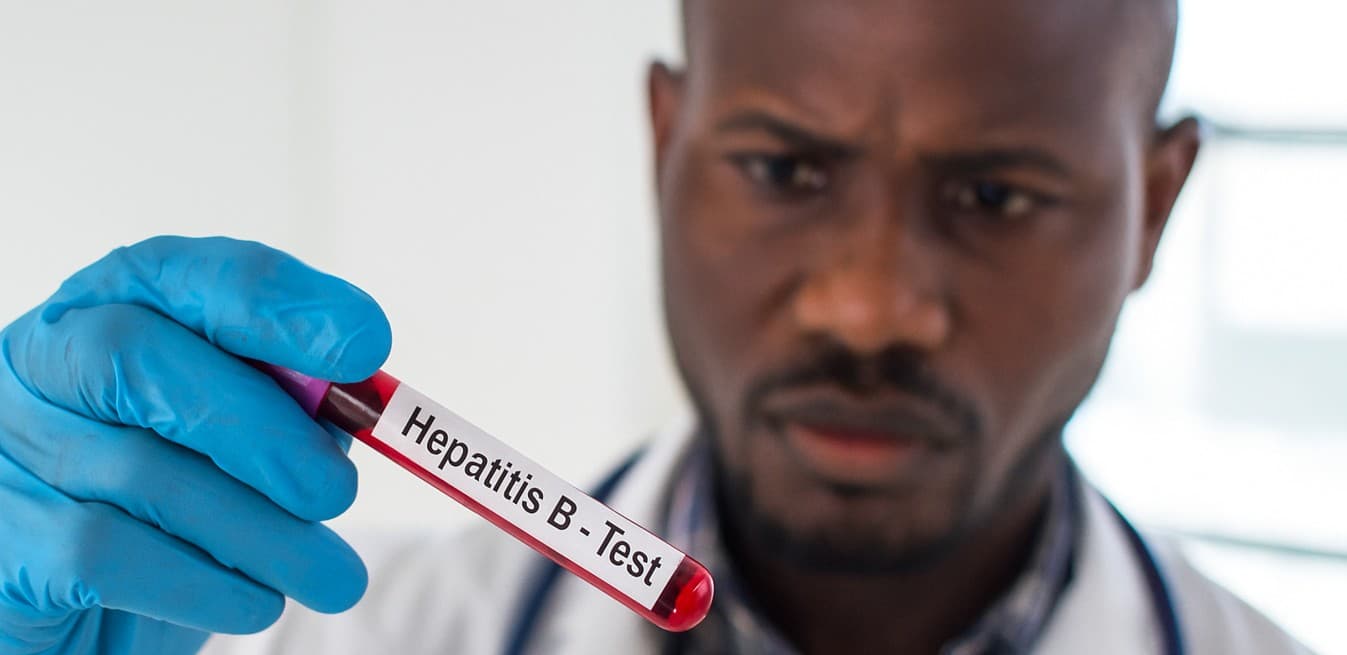
Study warns millions could remain vulnerable to hepatitis B if vaccination is delayed

The WHO estimates that approximately 90 per cent of infants infected with hepatitis B develop a lifelong infection, which can eventually lead to liver cirrhosis and liver cancer.
Millions of children could remain vulnerable to hepatitis B if vaccination is delayed or fewer newborns receive the vaccine, a new study suggests, highlighting the importance of early immunisation in preventing chronic liver disease and liver cancer.
The study, published in Annals of Internal Medicine, comes amid global efforts to eliminate viral hepatitis as a public health threat.
Although the research examined vaccination scenarios in the United States (US), its findings highlight broader concerns about protecting infants from hepatitis B, particularly in countries where access to vaccination, screening during pregnancy and preventive healthcare remains uneven.
The researchers used computer modelling to follow a hypothetical cohort of 3.6 million babies born in the US in 2026 through their first 20 years of life.
They found that delaying the first hepatitis B vaccine dose until two months of age could increase chronic infections by 19 per cent, while an approach requiring parents and healthcare providers to decide individually whether and when to vaccinate could increase infections by 83 per cent compared with universal vaccination at birth.
The model estimated that up to 1.8 million young adults could remain susceptible to hepatitis B under the latter approach, compared with 232,000 under universal vaccination at birth. These figures represent people who could remain vulnerable to infection, not those already infected with the virus.
Latest Stories
- Ruto hands over COMESA chairmanship as bloc targets 15 per cent intra-trade by 2030
- X-ray services suspended at Msambweni Referral Hospital after machine breakdown
- Banks’ tax contribution crosses Sh200 billion for the first time in seven years
- Chai MD, procurement head fined Sh300,000 each for defying orders in security tender
The findings are projections from a computer simulation and should not be interpreted as estimates of infections in other countries.
According to the World Health Organisation (WHO), the viral infection, which attacks the liver, spreads through infected blood and other bodily fluids, including from an infected mother to her baby during childbirth. Some people experience no symptoms, while others develop fatigue, nausea, abdominal pain and jaundice, which causes yellowing of the skin and eyes.
Infants face a particularly high risk of developing chronic infection. The WHO estimates that approximately 90 per cent of infants infected with hepatitis B develop a lifelong infection, which can eventually lead to liver cirrhosis and liver cancer.
The organisation recommends that all infants receive their first hepatitis B vaccine dose as soon as possible after birth, ideally within 24 hours, followed by additional doses to complete the vaccination series. A complete series provides protection against infection in more than 95 per cent of infants, children and young adults.
According to the study, changing the timing or delivery of vaccination could increase infections over time. It also warned that infections transmitted from mothers to their babies could double or triple under certain scenarios if newborns at higher risk were less likely to receive the vaccine.
Preventing transmission during pregnancy and childbirth is particularly important because infections acquired in infancy are much more likely to become chronic than those acquired in adulthood.
The WHO recommends screening pregnant women for hepatitis B and providing preventive antiviral treatment to eligible women with high levels of the virus. Prompt vaccination of newborns provides an additional layer of protection.
Delaying vaccination can also create opportunities for children to miss subsequent doses, particularly where access to healthcare is limited, or families struggle to attend scheduled appointments.
Because hepatitis B can remain undetected for years, some people only discover they are infected after developing serious liver complications. Preventing infection early can therefore reduce future illness and deaths.
In Kenya, hepatitis B protection is provided through the pentavalent vaccine, which is routinely administered at six, 10 and 14 weeks of age. The vaccine protects against diphtheria, tetanus, pertussis, hepatitis B and Haemophilus influenzae type b.
This differs from the WHO recommendation that all newborns receive a hepatitis B vaccine dose within 24 hours of birth, followed by additional doses to complete the series.
For Kenya and other countries without a universal hepatitis B birth dose, strengthening prevention requires attention to vaccination coverage, screening during pregnancy, timely identification of mothers with hepatitis B, and access to appropriate preventive interventions for newborns.
Other important measures include safe blood transfusions, infection prevention in healthcare facilities, safe injection practices and vaccination of people at increased risk of exposure.
The WHO has set a goal of eliminating viral hepatitis as a public health threat by 2030. Achieving that target requires countries to expand access to prevention, testing and treatment while ensuring that children are protected against hepatitis B as early as possible.


Comments
No comments yet. Be the first to share your thoughts.