
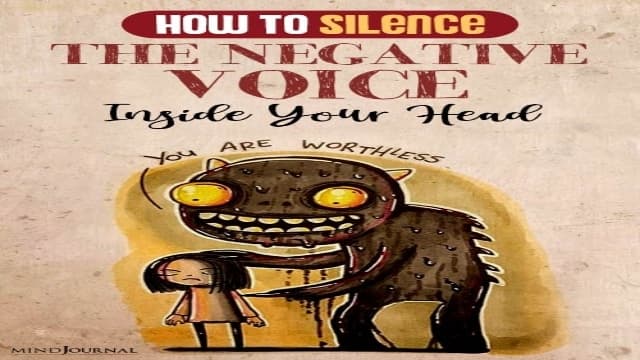
“You’ll never be good enough.”
“Don’t even bother applying.”
“Everyone else is smarter than you.”
“You’re going to fail.”
If you’ve ever had thoughts like these, you’re not alone. Every single person has an inner voice. Sometimes it’s your biggest cheerleader. Other times, it’s your harshest critic.
The problem is that the critical voice often speaks the loudest just before life’s biggest opportunities. It whispers before an interview, a presentation, an exam, a difficult conversation, or the launch of a business. If left unchecked, it can stop you long before anyone else has the chance to.

The Story of David
David had spent months preparing for a promotion at work. He had consistently exceeded his targets, led successful projects, and earned the respect of his colleagues. When the management team advertised a leadership position, everyone around him assumed he would apply.
Everyone except David.
The night before the application deadline, he opened his laptop, stared at the application form, and began to type. Before he could finish, another voice interrupted.
“You’re not management material.” “Someone else has more experience.” “What if you get the interview and embarrass yourself?” “What if they reject you?”
He closed the laptop without submitting his application. A few weeks later, the position was filled. The successful candidate had fewer years of experience than David. Months later, his manager admitted something that stung.
“We were surprised you never applied. We thought you were the strongest candidate.”
David didn’t lose the opportunity because he lacked the skills. He lost it because he believed the voice in his head instead of the evidence in his life.
How many opportunities have we all missed because of the stories we’ve told ourselves?
What Are Negative Thoughts?
Negative thoughts are those automatic messages that pop into our minds, often without invitation. They are usually rooted in fear, self-doubt, anxiety, or past experiences. While everyone experiences them, problems arise when we begin to treat these thoughts as facts.
Your brain is designed to protect you. Thousands of years ago, that meant spotting danger quickly to keep you alive. Today, however, your brain often mistakes challenges like public speaking, job interviews, or starting a business for life-threatening situations. It responds by trying to protect you from failure—even if that means keeping you from growing.
The result? You begin to doubt yourself before you’ve even begun.
Common Negative Thoughts
Negative thoughts often sound familiar. “I’m not good enough.” “I’ll never succeed.” “Everyone else has it figured out.” “I’m too old to start.” “I’m too young to lead.” “If I fail once, that’s the end.” “People are judging me.” “I always mess things up.” “No one believes in me.”
Notice the language. Words like always, never, everyone, and no one are rarely true. Yet our minds use these extremes to convince us that our fears are reality.
The Different Voices of Self-Doubt
Negative thinking doesn’t always sound the same. Sometimes it disguises itself in different forms.
The Inner Critic constantly points out your flaws while ignoring your strengths.
The Perfectionist tells you that unless everything is perfect, there’s no point in trying.
The Fortune Teller predicts failure before you’ve even taken the first step.
The Mind Reader convinces you that everyone is judging you, even when there’s no evidence they are.
The Comparer steals your confidence by measuring your behind-the-scenes against someone else’s highlight reel.
The Catastrophizer turns small setbacks into life-ending disasters.
Recognising these voices is the first step toward taking away their power.

The Hidden Cost of Negative Thinking
Negative thoughts don’t just affect how you feel—they influence how you behave.
They stop people from applying for jobs they’re qualified for. They prevent entrepreneurs from launching businesses. They silence brilliant ideas in meetings. They convince talented speakers to remain seated instead of stepping onto the stage.
Over time, negative thinking can lead to anxiety, procrastination, low self-esteem, strained relationships, and missed opportunities.
The saddest part is that many dreams never fail because they were impossible. They fail because the dreamer gave up before giving themselves a chance.
How to Take Back Control
The good news is that negative thoughts can be managed. They don’t have to control your life.
1. Recognise the Thought
The next time a negative thought appears, pause.
Instead of saying, “I’m going to fail,” try saying, “I’m having the thought that I’m going to fail.”
That small change reminds you that a thought is simply a thought—not a prediction.
2. Challenge the Story
Ask yourself:
Is this thought based on facts or fear?
What evidence do I have that it’s true?
What evidence suggests the opposite?
Most negative thoughts fall apart when examined honestly.
3. Replace Fear with Balance
You don’t have to force yourself into unrealistic positivity.
Instead of saying: “I’m definitely going to be amazing.”
Try saying: “I’ve prepared well. I may feel nervous, but I can handle this.”
Balanced thinking is far more powerful because your mind is more likely to believe it.
4. Stop Comparing Yourself
Comparison is one of the fastest ways to destroy confidence. Someone else’s success doesn’t mean you’re failing. Everyone has a different timeline, different struggles, and different opportunities. Focus on your own progress instead of competing with someone else’s journey.
5. Speak to Yourself with Kindness
Imagine speaking to yourself the way you would speak to your closest friend. Would you tell them they’re a failure because they made one mistake?
Probably not.
Yet many of us say things to ourselves that we would never dream of saying to someone we love. Practice self-compassion. You deserve it too.
6. Feed Your Mind Good Things
Your thoughts are influenced by what you consume. Read books that challenge and inspire you. Listen to uplifting podcasts. Spend time with people who encourage your growth. Reduce exposure to negativity where possible. Just as junk food affects your body, negative content affects your mind.
7. Act Despite the Fear
Perhaps the most important lesson is this: confidence rarely comes before action. It comes because of action. The people you admire still experience fear. The difference is that they refuse to let fear make their decisions.
Take the first step anyway. Apply for the job. Start the business. Give the speech. Make the call.
Action weakens the voice of doubt.
The Voice You Choose to Believe
The bad voice in your head may never disappear completely. It might still whisper before big moments, reminding you of your fears, your failures, or your insecurities. But here’s the truth: you don’t have to obey every thought that enters your mind.
You have a choice. You can listen to fear, or you can listen to the evidence of your resilience, your preparation, and your potential. Every time you choose courage over self-doubt, that negative voice grows a little quieter.
The most dangerous voice you’ll ever hear isn’t the one that criticises you from the outside. It’s the one that convinces you to stop believing in yourself. Don’t let it write your story. Your thoughts shape your choices. Your choices shape your future.
The next time that inner critic tells you, “You can’t,” remember this: The voice in your head is only powerful if you hand it the microphone.
Choose instead to amplify the voice that says, “Try anyway.” That is the voice that leads to growth, resilience, and a life without regrets.
Check out
Mental Health: How To Deal With Intrusive Thoughts
6 Simple Ways To Find And Maintain Hope When You’re Feeling Hopeless
Mental Health: Rumination – Combating Repetitive Thoughts
How To Use Affirmations To Rewire Your Brain And Change Your Life
![Medina Hospital, GCTRH Among Garissa Health Facilities Approved by SHA [Full List]](/_next/image?url=https%3A%2F%2Fstorage.googleapis.com%2Ferrands-mwendaa.firebasestorage.app%2Fimages%2F3c424ad04fde631b5abb874aae700fecb7ac4a08.jpg&w=3840&q=75)


Comments
No comments yet. Be the first to share your thoughts.