
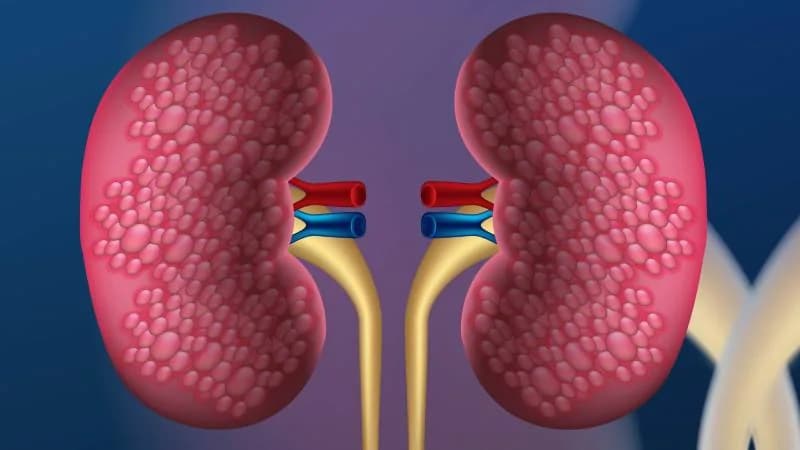
Two heart drugs could cut kidney damage risk in patients with septic shock, study finds

Septic shock is a severe form of sepsis in which an infection causes dangerously low blood pressure, preventing enough blood from reaching vital organs and increasing the risk of organ failure and death.
A combination of two heart medicines may help protect patients with septic shock from kidney damage during emergency surgery, according to a major clinical trial.
According to the World Health Organisation (WHO), septic shock is a severe form of sepsis in which an infection causes dangerously low blood pressure, preventing enough blood from reaching vital organs and increasing the risk of organ failure and death.
The study, conducted by researchers from the University of Southampton in the United Kingdom and Zhejiang University School of Medicine in China, was published in the Journal of the American Medical Association and found that administering dobutamine together with norepinephrine reduced the risk of new or worsening kidney injury among patients undergoing surgery for septic shock.
The condition requires urgent treatment because it can lead to organ failure and death. Although surgery may help remove the source of an infection, the illness, inflammation and stress caused by the operation can further damage the body.
The researchers studied 584 adults undergoing surgery at 39 hospitals. Half received dobutamine alongside norepinephrine, while the other half received norepinephrine alone.
Norepinephrine is used to raise blood pressure and help maintain blood flow to vital organs. Dobutamine helps the heart pump blood more effectively in selected patients.
Latest Stories
- Matiang’i accuses Gachagua of arrogance and pride, warns of opposition split
- Gachagua blames Chinese funding standoff, not bitumen shortages, for Rironi–Mau Summit Road delays
- Malala defends his position in DCP as he reaffirms support for Sifuna’s 2027 presidential bid
- KNEC tightens KCSE 2026 exam controls with new rules on phones, watches and staff identification
“The results showed that fewer than one in four patients who received both medicines developed new or worsening kidney injury within seven days of surgery. In the group receiving norepinephrine alone, about 35 per cent developed the complication,” the researchers said.
The researchers also found that moderate to severe kidney injury was roughly halved among patients given the drug combination. These patients produced more urine soon after treatment and showed fewer signs of organ strain during their first day in intensive care.
However, the combination also had side effects. Temporary increases in heart rate, known as tachycardia, affected about 41 per cent of patients who received both medicines, compared with about 30 per cent of those given norepinephrine alone.
The researchers did not find an increase in serious complications such as cardiac arrest or abnormal heart rhythms. Nevertheless, the higher rate of rapid heartbeats highlights the need for close monitoring of patients receiving the treatment.
They said the combination could improve blood flow to the kidneys and reduce the risk of serious kidney damage during high-risk surgery.
The researchers added that the findings could help inform future recommendations on the use of dobutamine in patients with sepsis and septic shock. Previous international guidance had identified insufficient evidence to make a clear recommendation on its use in this setting.
According to experts, sepsis occurs when the body's response to an infection damages its own tissues and organs. It can develop from infections affecting the lungs, urinary tract, abdomen or other parts of the body. Septic shock is a particularly severe form in which blood circulation becomes seriously impaired.
Kenya's burden of sepsis is reflected in national death records. The Kenya Vital Statistics Report 2023 recorded 6,171 deaths attributed to sepsis in 2023, making it one of the leading causes of medically certified deaths that year. The figure covers sepsis, not septic shock alone, and represents deaths recorded in national statistics rather than necessarily every death that occurred in the country.
Research in Kenyan hospitals has highlighted the dangers of septic shock. A study at Kenyatta National Hospital involving 325 children found that 15.4 per cent had septic shock, and 70 per cent of those affected died within 72 hours.
Researchers also found that doctors recognised the condition in only 56 per cent of the affected children. A separate study at Kenyatta National Hospital (KNH) and M.P. Shah Hospital found septic shock in 17.8 per cent of the KNH study sample.
Globally, an analysis published in The Lancet estimated that 48.9 million people developed sepsis and 11 million died from it in 2017. The analysis found that sepsis accounted for about one in five deaths worldwide, with the burden particularly high in Sub-Saharan Africa and other low- and middle-income regions.
The new study provides evidence that combining the two medicines may help protect some patients' kidneys during emergency surgery. However, it does not mean that everyone with septic shock should receive both drugs. Treatment decisions depend on each patient's condition, and the medicines require careful monitoring.
Further research and review by clinical guideline developers will help determine whether the approach should become part of routine care.
Early diagnosis, prompt treatment of infection and careful monitoring of organ function remain essential in managing septic shock.
The trial adds to growing evidence that the choice of medicines used during high-risk surgery may also influence patients' risk of developing serious complications.

Comments
No comments yet. Be the first to share your thoughts.