
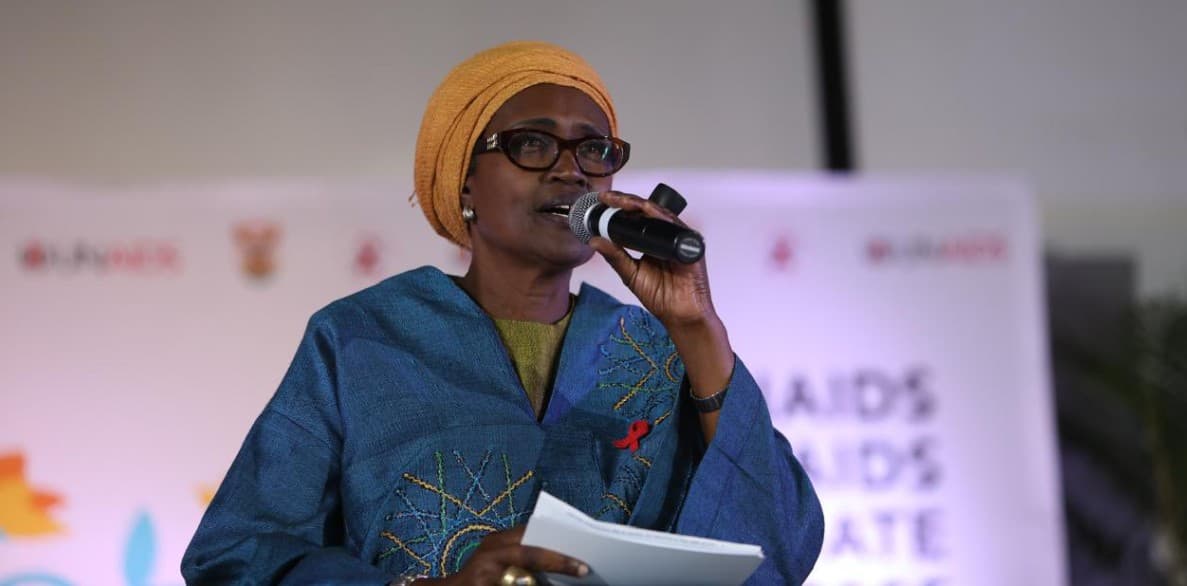
UNAIDS board rejects shutdown plan, approves transition strategy

Addressing the board, UN Deputy Secretary General Amina Mohammed said the reforms were intended to protect the HIV response and strengthen its presence at the country level.
The UNAIDS Programme Coordinating Board has rejected plans to end the joint programme, approving a transition strategy to improve efficiency and protect people affected by HIV.
In a statement on Tuesday, the board said the changes would preserve the United Nations' HIV mandate while ensuring governments and communities sustain the gains made in the global AIDS response.
The decision was reached during a special session where board members backed a continued, streamlined and efficient UNAIDS Joint Programme.
UNAIDS Executive Director Winnie Byanyima welcomed the decision, thanking programme countries, donors, civil society groups and activists who had supported the programme's continued existence.
"You have rejected the sunsetting of UNAIDS and chosen instead to transform and strengthen this unique Joint Programme. I thank programme countries, donors, civil society and activists who stood firm and fought for the future of UNAIDS. Saving the Joint Programme is only the beginning. Now we must transform it and get that transformation right," she said.
During the meeting, the board considered the final report of the Programme Coordinating Board Working Group and approved the overall strategic direction for the transition. It also asked the board chair to submit the agreed direction and its decisions to the United Nations Economic and Social Council (ECOSOC).
Latest Stories
The decisions support the direction set by the Secretary-General's UN80 reforms, which seek to improve the United Nations' work and its impact on people.
Addressing the board, UN Deputy Secretary General Amina Mohammed said the reforms were intended to protect the HIV response and strengthen its presence at the country level.
"The Secretary General's intention was to preserve and strengthen the UN's HIV response in the face of disruption and anchor the response more firmly at the country level," she said.
Under the approved plan, UNAIDS will retain its mandate, with a strong and focused Secretariat, known as the Hub, leading four core functions. Its Cosponsors will take greater responsibility for technical work according to the agreed division of labour.
The changes will also place communities at the centre of the programme at every level, with greater involvement in designing and leading its work. The board further directed that human rights and gender equality be protected and that ECOSOC's mandate and the board's inclusive governance structure remain in place.
The transition will be carried out in phases rather than rushed, taking into account the circumstances and readiness of individual countries.
To oversee the changes, the board asked Byanyima to establish a Transition Task Team comprising representatives of the Secretariat and Cosponsors, alongside two community representatives nominated by the board's NGO delegation.
The team will work closely with implementing countries, consult stakeholders involved in the Joint Programme and report to the board on a fully costed implementation plan.
Meanwhile, several countries have stepped forward to support UNAIDS amid funding cuts and the possibility of some countries withdrawing their support.
Algerian Ambassador Idris Latreche announced an early voluntary contribution of $40,000 (Sh5.1 million) to the UNAIDS country office in Algiers for 2027. Algeria also provides office premises free of charge and national personnel to support the office's operations.
Other countries that have contributed include Benin, Brazil, Cambodia, China, Côte d'Ivoire, Kazakhstan, Laos, the Philippines, South Africa and Thailand.
Latreche said the contributions would help maintain UNAIDS operations and prevent interruptions to services relied on by affected communities.
"These contributions reflect Algeria's commitment to our collective efforts towards maintaining an effective UNAIDS presence at country level, towards ensuring continuity of services, and towards avoiding any disruption that could affect the people who depend on them," Latreche said.
The board also approved the 2027 Work Plan and Budget, which includes simplified performance reporting. It thanked governments that contributed to the 2026 budget and urged those yet to release their contributions to do so as soon as possible.
Governments were also encouraged to make multi-year funding commitments and release their 2027 contributions promptly.
Byanyima informed the board that she will complete her service as Executive Director on December 31, 2026. The United Nations Secretary-General will appoint an interim Executive Director from January 1, 2027, as the board begins the process of selecting her successor.
Comments
No comments yet. Be the first to share your thoughts.