
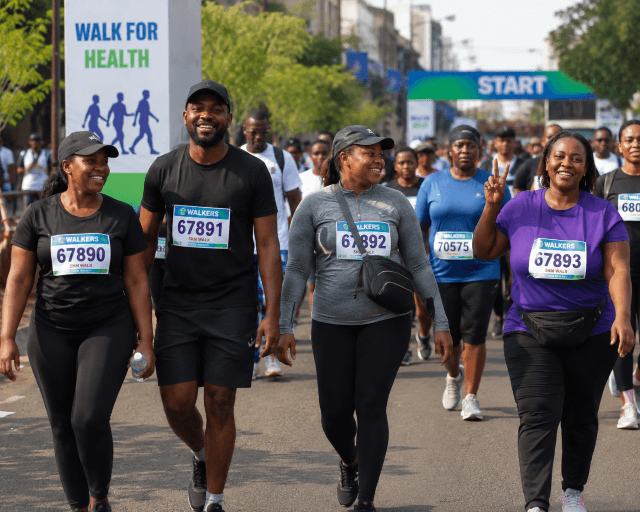
For a half marathon (21.1 km), whether you walk, run, or use a run-walk strategy, the biggest factors are consistent training, sensible pacing, fuelling, hydration and recovery. The goal isn’t simply to cover 21.1 km. It’s to arrive at the finish line strong enough to enjoy it.
BEFORE THE HALF MARATHON
-
Build your distance gradually.
You don’t need to run every day. Consistency matters more.
A simple weekly structure could be:
- 1 long walk/run: gradually build your distance
- 1–2 shorter sessions: easy running or brisk walking
- 1 strength session: particularly legs and core
- 1–2 rest/recovery days
Your long session is the most important preparation. If you’re training to run, work towards being comfortable around 16–19 km before race day. If you’re walking, build up your long walks similarly. Don’t make 21.1 km your first 20 km.
-
Consider the run-walk method
You don’t have to choose between running the entire distance and walking the entire distance. Try: 4 minutes running + 1 minute walking or 9 minutes running + 1 minute walking.
For some people, planned walking breaks can help conserve energy and make the final kilometres much more manageable.
-
Strengthen your body
Strength training can make a big difference, especially when you’re increasing your distance.
Focus on: squats, lunges, step-ups, calf raises, glute bridges, and core exercises.
You don’t need to lift extremely heavy weights. The goal is to build strong, resilient legs.
-
Practise with your race-day equipment
Don’t discover on race day that your shoes give you blisters or your shorts chafe.
Test your shoes, socks, sports bra, shorts/tights, race belt, hydration bottle, sunscreen, and nutrition.
Don’t try anything new on race day.
NUTRITION BEFORE THE RACE
The day before
You don’t need to eat an enormous amount of pasta. Instead, prioritise familiar carbohydrate-rich foods: rice, potatoes, pasta, bread, oats, ugali, bananas, and other fruits.
Have some protein and keep meals relatively familiar and easy to digest. Avoid experimenting with foods that could upset your stomach.
Race morning
Ideally, eat 2–4 hours before the start, depending on what your body tolerates. A good breakfast might be: oats + banana + yoghurt or toast + banana + eggs or porridge + fruit.
The emphasis is on carbohydrates with some protein and relatively little fat/fibre if your stomach is sensitive.
Drink normally; don’t try to compensate for poor hydration by drinking litres of water immediately before the race.
DURING THE HALF MARATHON
-
Don’t get carried away at the start.
This is one of the easiest ways to make the final 5 km miserable. The crowd is excited. The music is playing. Everyone is moving. You feel amazing. Slow down. The first 5 km should feel controlled.
A useful rule is that if you feel like you could run faster during the first few kilometres, that’s probably a good sign.
-
Fuel before you crash
For a half marathon lasting roughly 90 minutes or longer, taking in carbohydrates during the event can be useful. A common starting range is around 30–60 g of carbohydrate per hour, adjusted to your pace and what you’ve practised.
For example:
Before: Breakfast
30–45 min: Water + gel/other carbohydrate
60–90 min: Another carbohydrate source
Finish: Recovery meal/snack
If you’re walking and expect to be out there for 3–4 hours, fuelling becomes even more important. Practise this beforehand. Never make race day the first time you try the food you will take for the marathon. Some people prefer: energy gels, sports drinks, bananas, dates, chews and energy bars. Your training runs are your laboratory.
3. Hydrate—but don’t overdo it
Drink regularly according to thirst and the weather. If you’re sweating heavily or the weather is hot, electrolytes can be useful. But more water isn’t always better. Excessive drinking can cause dangerously low blood sodium.
A good race strategy is to stay hydrated, drink something regularly, replace some electrolytes when appropriate and don’t force fluids.
4. Protect your feet
For walkers especially, 21.1 km means a lot of repetitive impact.
Before the race, here is what you need to do. Wear comfortable, tested shoes, use good socks and apply anti-chafing balm where needed.
During the race, don’t ignore a developing hot spot. A five-minute stop at 8 km can save you from a painful 13 km.
5. Divide the race into sections
Instead of thinking “I still have 21 km!”
Think
0–5 km: Settle down.
5–10 km: Find your rhythm.
10–15 km: Stay consistent.
15–18 km: This is where discipline matters.
18–21.1 km: You’ve got this. Finish.
The final kilometres are often as much a mental challenge as a physical one.
AFTER THE HALF MARATHON
-
Start recovery immediately
Within the first few hours, aim for: Carbohydrates + protein + fluids.
Things you can take.
- Banana + yoghurt
- Chocolate milk
- Eggs + toast
- Rice + chicken
- Ugali + vegetables + beans
- Potatoes + protein
- Fruit + yoghurt
You don’t need a special expensive recovery product. Normal food works.
-
Rehydrate
Replace fluids gradually after the race. If you’ve been sweating heavily, include electrolytes or salty foods rather than drinking only plain water.
-
Don’t immediately “test” your legs
You finished 21.1 km. You don’t need to prove anything else that day. Take an easy walk, stretch gently if it feels good and prioritise sleep. The following days can include easy movement, but give your body time to recover before returning to hard training.
Know the difference between normal soreness and injury
Some muscle soreness is expected. Don’t simply push through sharp or severe pain, significant swelling, inability to bear weight, chest pain, severe shortness of breath, fainting/confusion or very dark/tea-coloured urine. Those symptoms warrant medical attention.
HALF-MARATHON CHECKLIST
A week before
☐ Reduce training volume
☐ Keep some easy movement
☐ Sleep well
☐ Hydrate normally
☐ Prepare shoes and clothing
☐ Plan your race nutrition
☐ Check the weather and route
Marathon Race morning
☐ Familiar breakfast
☐ Hydrate normally
☐ Arrive early
☐ Warm up gently
☐ Start conservatively
During the half marathon
☐ Pace yourself
☐ Fuel consistently
☐ Drink according to conditions/thirst
☐ Use electrolytes appropriately
☐ Watch for blisters/chafing
☐ Don’t chase someone else’s pace
☐ Use run-walk breaks if needed
After the marathon
☐ Rehydrate
☐ Eat carbohydrates + protein
☐ Gentle movement
☐ Rest
☐ Sleep
☐ Give your muscles time to recover
☐ Celebrate 21.1 km! 🎉
The golden rule
Don’t train to finish the first 10 km. Train and pace yourself to finish the LAST 5 km. That’s where the difference between simply completing a half marathon and finishing it strong is usually made.
9 Tips For Getting Ready For A Walking Marathon For Beginners
![Medina Hospital, GCTRH Among Garissa Health Facilities Approved by SHA [Full List]](/_next/image?url=https%3A%2F%2Fstorage.googleapis.com%2Ferrands-mwendaa.firebasestorage.app%2Fimages%2F3c424ad04fde631b5abb874aae700fecb7ac4a08.jpg&w=3840&q=75)


Comments
No comments yet. Be the first to share your thoughts.