
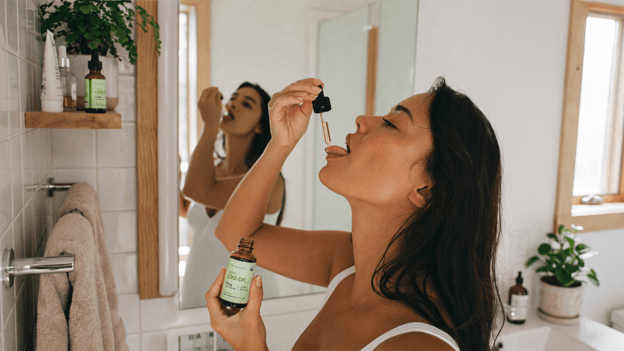
Ninety-five per cent. That is the figure behind the USDA Organic seal, one of the most widely recognised organic marks in the world, and it explains why a certified label means far more than a word printed on a pretty bottle. Products that carry the seal, whether a box of oats or the USDA-certified organic CBD oil tinctures made by Joy Organics in the United States, have been through inspection by an accredited certifier and must meet a defined ingredient threshold. Words like “natural”, “clean” and “pure” carry no such requirement.
What the Word Is Meant to Certify
Organic certification is about how ingredients are grown and handled. Under standards like the USDA’s, that generally means farming without most synthetic pesticides and fertilisers, without genetically modified organisms and without irradiation, with records kept at every step so a certifier can trace the product back to the farm.
It is a process standard, not a promise about results. Organic tells you how something was produced. It does not tell you how well it works, how it will suit your skin or how strong it is.
The Percentages Behind the Labels
In the US system, the wording on the front of the pack tells you how much of the product is actually organic. According to the USDA’s organic labelling rules, “100% Organic” means every ingredient is certified organic. “Organic” means at least 95 per cent of the product is certified organic. “Made with organic” ingredients means at least 70 per cent, and those products are not allowed to use the seal at all. Water and salt are left out of the calculation.
Below 70 per cent, a brand can only mention organic ingredients in the ingredient list. So a bottle with “organic” in large letters but no seal and no certifier named is worth a second look.
That last point is a useful habit in itself. Certified products sold in the US must name their certifier on the pack, usually as a line reading “Certified organic by” followed by the certifier’s name. If you cannot find one, the organic claim may be marketing rather than certification.
Why Beauty Is the Trickiest Category
Food has clear organic rules in most markets. Beauty is murkier. In the US, the Food and Drug Administration does not define “organic” for cosmetics at all, so a cream only qualifies for the USDA seal if its agricultural ingredients meet the same organic standards as food.
Elsewhere, many beauty brands rely on private certification schemes such as COSMOS or certifiers like Ecocert, each with its own rules on how much of a product must be organic. Water, which makes up much of many lotions and toners, cannot itself be certified organic, so the overall organic share of a product can be lower than the front of the pack suggests.
For shoppers in East Africa, the Kilimohai mark, based on the East African Organic Products Standard, is the regional label to look for on certified organic produce, and it is worth getting to know.
What Organic Does Not Tell You
A certified label is valuable, but it leaves several questions unanswered. Organic does not mean gentle or allergy-free. Plants can cause reactions whether or not they are organically grown, so patch-test new skincare as you normally would. Organic does not mean vegan either, since honey, beeswax and milk can all be certified organic.
Most importantly, organic certification does not measure what is actually in the finished product. That is where laboratory testing comes in. Joy Organics, for example, pairs the USDA seal on its tinctures with lab results published for each batch, which show what was measured in the finished product. Certification covers the farm and the process. A lab report covers the bottle.
A Quick Way to Read the Label
Start with the seal or certification mark, then look for the certifier’s name. Check whether the claim says organic, made with organic or simply lists a few organic ingredients. Read the ingredient list to see which items are marked organic and where water sits. Finally, look for batch testing or lab results if the product has an active ingredient you care about.
None of this takes long once it becomes a habit, and it changes how you shop. Instead of paying more for a reassuring word, you pay for a claim someone has actually checked.



Comments
No comments yet. Be the first to share your thoughts.