
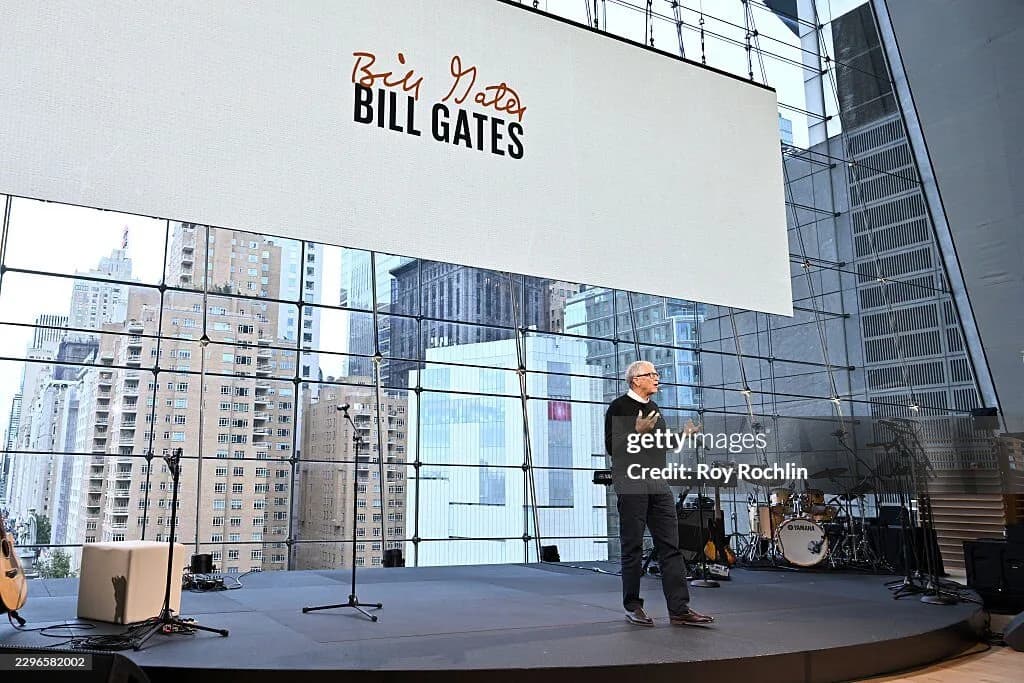
NEW York, USA, Sep 23 – The Gates Foundation has announced plans to spend at least US$1 billion over the next two years to expand access to artificial intelligence and AI-powered solutions aimed at improving health, education and economic opportunities globally.
The announcement was made as the foundation released its 10th annual Goalkeepers Report, which warns that AI could either help reduce global inequality or widen existing gaps depending on how the technology is developed and deployed.
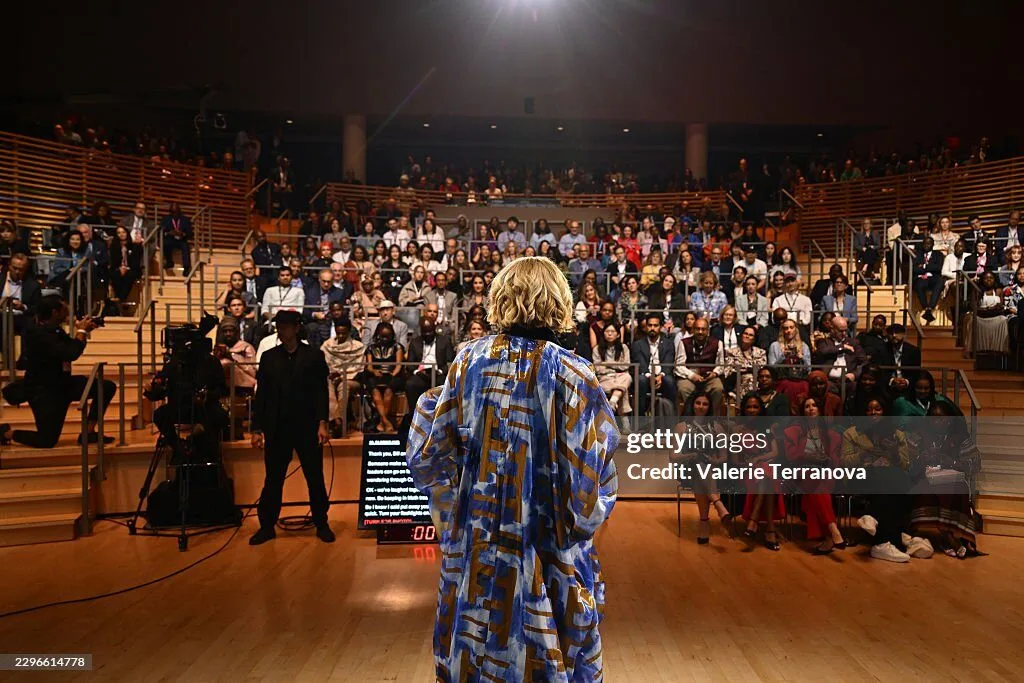
NEW YORK, NEW YORK – SEPTEMBER 21: As world leaders gather in New York for the UN General Assembly, Bill Gates speaks during the annual Goalkeepers NYC event, hosted by the Gates Foundation, at Jazz at Lincoln Center in New York City, September 21, 2026. The event is a catalyst for action linked to the UN’s 17 Sustainable Goals, bringing together leaders and changemakers from around the world to make progress towards ending poverty, fighting inequality, and stopping climate change by 2030. (Photo by Roy Rochlin/Getty Images for Gates Archive)
The 2026 report, titled Make This Matter: AI, Equity, and the Choice We Can’t Delay, highlights the need to ensure communities in developing countries are able to benefit from advances in AI.
Bill Gates, chair of the Gates Foundation, said AI presented a similar challenge to previous innovations, with the most advanced tools often being developed first for those who can afford them.
The foundation identified three priorities for making AI more equitable: developing tools that work across the world’s languages, building systems suited to the contexts where they will be used, and investing in people and affordable access so communities can shape and benefit from the technology.
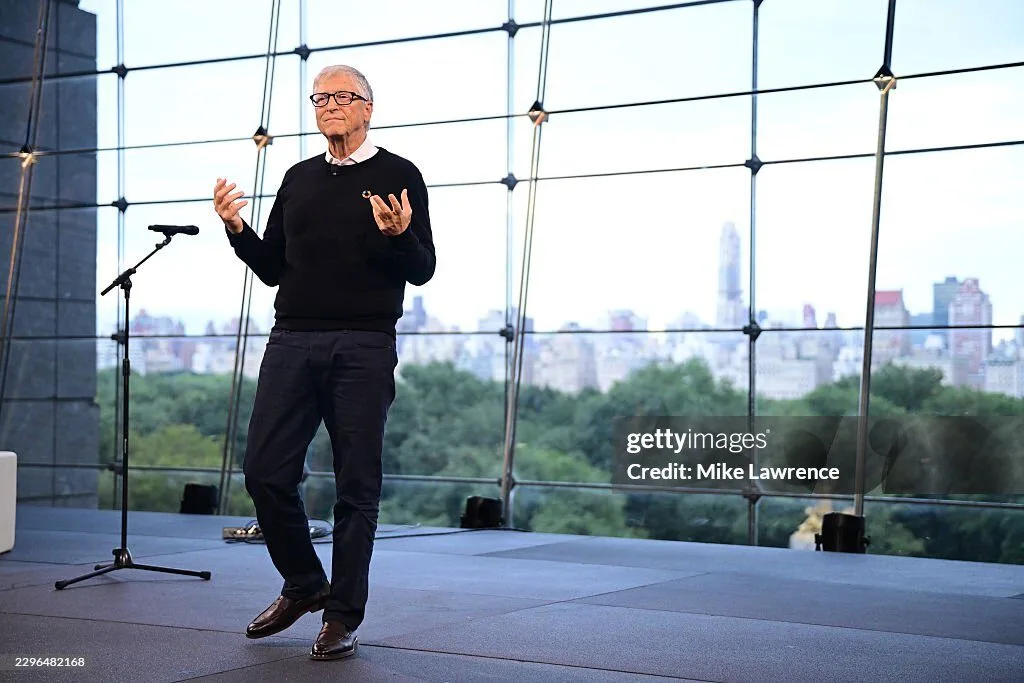
NEW YORK, NEW YORK – SEPTEMBER 21: As world leaders gather in New York for the UN General Assembly, Bill Gates speaks during the annual Goalkeepers NYC event, hosted by the Gates Foundation, at Jazz at Lincoln Center in New York City, September 21, 2026. The event is a catalyst for action linked to the UN’s 17 Sustainable Goals, bringing together leaders and changemakers from around the world to make progress towards ending poverty, fighting inequality, and stopping climate change by 2030. (Photo by Mike Lawrence/Getty Images for Gates Archive)
More than 90% of data used to train early large language models came from English-language sources, according to the report, potentially leaving many communities underrepresented.
The foundation said its US$1 billion commitment will be distributed across four priority areas.
About 40% will support education, including AI tutoring and teaching tools designed to personalise learning.
Another 40% will go towards healthcare, supporting areas such as diagnostics, clinical decision-making, maternal and newborn care, and the development of drugs and vaccines.
A further 10% will support agriculture, including AI-generated advice for smallholder farmers based on soil, weather and crop conditions.
The remaining 10% will help build the digital infrastructure needed for equitable AI, including datasets in languages that existing AI systems do not adequately understand.
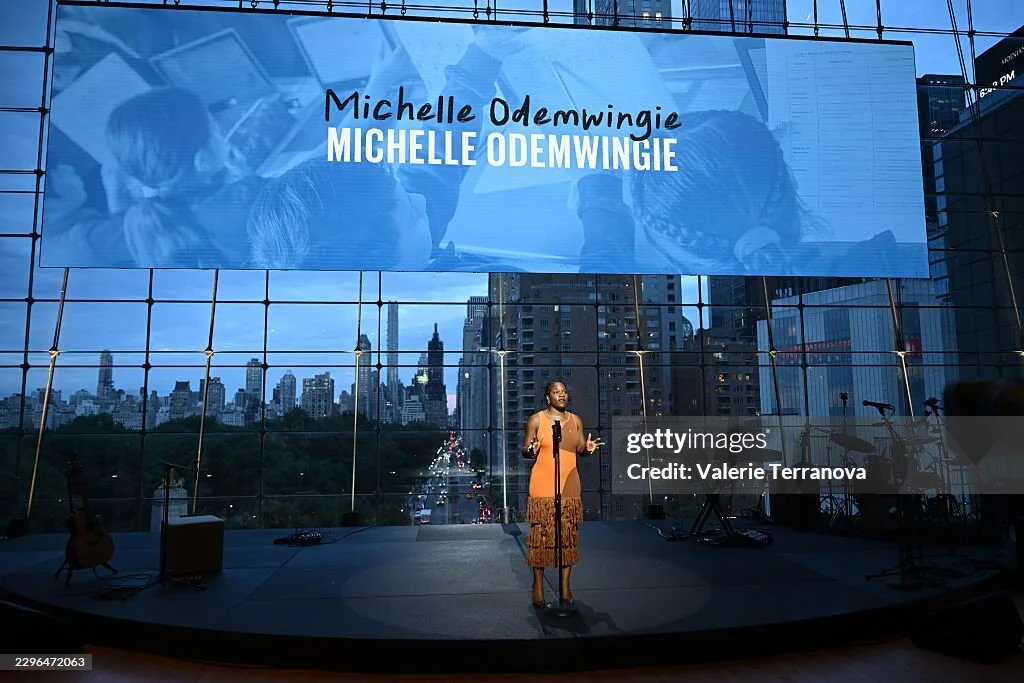
The foundation said the funding will support organisations already working to expand access to AI and develop tools that reflect the needs and priorities of communities.
Gates said AI could be harnessed for positive outcomes but warned that this would require deliberate action from governments, technology companies and other stakeholders.
The foundation is also calling on governments, businesses, philanthropies and other organisations to invest in making AI more useful, accessible and affordable.
The announcement comes amid growing global discussions over how artificial intelligence should be governed and how its benefits can be distributed more equally across countries and communities.



Comments
No comments yet. Be the first to share your thoughts.