
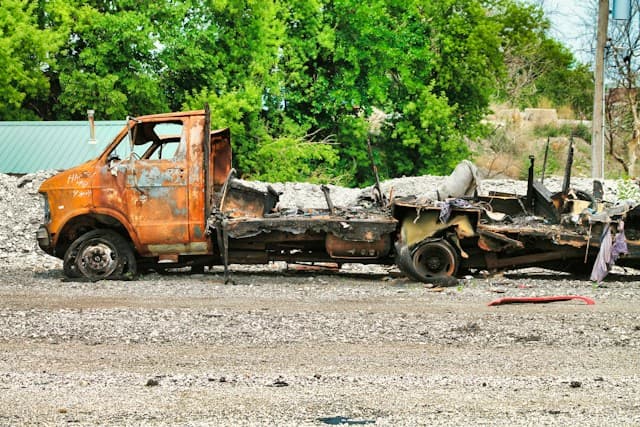
Fort Lauderdale is a vibrant coastal city with busy highways, thriving commercial districts, and a steady flow of freight traffic supporting businesses throughout South Florida. Major roadways are shared by commuters, tourists, delivery vehicles, and large commercial trucks every day, creating conditions where serious collisions can occur despite careful driving. When a truck wreck happens, the consequences are often far more severe than those of a typical traffic accident, leaving victims to cope with significant injuries, financial hardship, and uncertainty about their future.
Beyond the immediate medical concerns, injured individuals may also face complicated insurance issues and questions about who should be held responsible for their losses. Understanding the legal remedies available after a commercial truck crash can help victims make informed decisions during a difficult and stressful time. Learning about legal options after a truck wreck in Fort Lauderdale can provide clarity on the steps needed to protect your rights, pursue fair compensation, and move forward with greater confidence during the recovery process.
Table of Contents
ToggleFirst Legal Step
Once urgent care is stable, the injured person may review legal options after a truck wreck using concrete records, not memory alone. Police reports, discharge papers, imaging results, photographs, witness names, and insurer letters help show fault, injury severity, treatment needs, and the full scope of recoverable losses.
Insurance Claims
Many truck cases start with insurance claims. Coverage may involve the driver, motor carrier, trailer owner, cargo company, or maintenance vendor. A complete claim should include emergency bills, follow-up visits, therapy, prescriptions, lost wages, and repair costs. Early offers may ignore nerve pain, limited range of motion, or future procedures.
Personal Injury Lawsuit
A lawsuit may be needed if fault is denied or payment falls short. Court filings allow formal discovery, which can require driver logs, inspection records, dispatch messages, and repair histories. Those materials may reveal fatigue, brake problems, skipped checks, or pressure to meet unsafe delivery schedules.
Possible Responsible Parties
Responsibility can extend beyond the person behind the wheel. A driver may speed, drift, or ignore rest rules. A carrier may allow poor training or unsafe schedules. Loaders can leave freight unbalanced. Repair crews may miss worn tires, weak brakes, or steering defects. Each role deserves review before settlement.
Key Evidence
Strong evidence often decides how a claim develops. Useful evidence may include crash photos, traffic camera footage, black box data, phone records, inspection sheets, and witness statements. Medical records connect trauma to symptoms, such as headaches, numbness, weakness, or restricted movement. Preservation notices can keep critical files from disappearing.
Common Damages
Truck injury claims often seek economic and non-economic damages. Economic losses include hospital charges, rehabilitation, medication, missed income, and vehicle repair. Non-economic harm covers pain, sleep disruption, anxiety, scarring, and loss of normal routines. Severe trauma may require surgery, home assistance, mobility devices, or job retraining.
Wrongful Death Claims
A fatal truck crash may support a wrongful death claim by surviving family members. Available damages can include funeral expenses, lost financial support, and loss of companionship. The estate may also recover medical bills linked to final treatment. These claims have strict deadlines, so delay can weaken important rights.
Florida Deadlines
Florida sets legal time limits for injury lawsuits. Missing the filing date can end a valid claim, even with strong evidence. Some matters, especially those involving public vehicles, may require earlier notice. Because video, logs, and witness recall fade quickly, early action protects both evidence and negotiating strength.
Shared Fault
Florida uses comparative fault rules. If an injured person shares blame, any recovery may be reduced by that percentage. Defense teams may claim sudden braking, unsafe lane changes, or distraction. Scene photos, vehicle damage, witness accounts, and electronic data can answer those arguments with facts.
Settlement Talks
Most injury cases resolve before trial. A fair settlement should reflect medical care, future treatment, lost work, pain, disability, and long-term physical limits. Negotiations may rely on demand letters, physician opinions, billing summaries, and policy details. If the offer undervalues the harm, a trial remains available.
Attorney Role
A truck accident attorney can gather evidence, identify liable parties, calculate damages, and communicate with insurers. Counsel may also find hidden defendants, such as brokers, repair vendors, or freight contractors. Legal support lets the injured person focus on healing while the claim moves through deadlines, negotiations, and filings.
Conclusion
A serious truck wreck can open several legal paths, including insurance claims, injury lawsuits, and wrongful death actions. The right path depends on evidence, medical findings, available coverage, and fault. Prompt treatment, organized records, and timely legal review can prevent avoidable setbacks. Careful action helps injured people pursue payment that reflects immediate harm, ongoing care, and future limits.



Comments
No comments yet. Be the first to share your thoughts.