
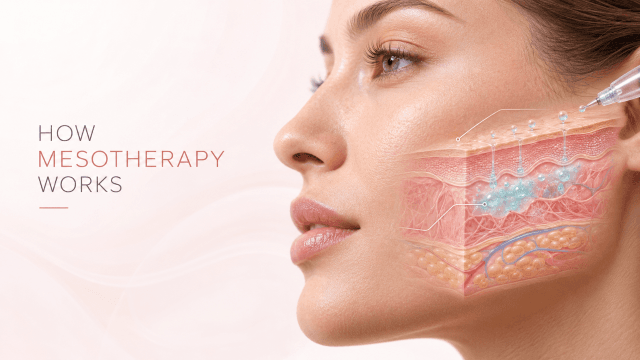
Mesotherapy is a cosmetic treatment that delivers small amounts of selected ingredients into the skin through very shallow injections. It is commonly used in aesthetic practice to support skin hydration, texture, and overall appearance.
For beginner practitioners, learning how mesotherapy works is important before offering it as a treatment. Good results depend on correct technique, safe product use, proper client selection, and strong knowledge of skin anatomy.
Practitioners who are also interested in regenerative aesthetics may choose an exosomes training course to expand their knowledge of newer skin treatments.
What Is Mesotherapy?
Mesotherapy involves placing small amounts of a treatment solution into the middle or superficial layers of the skin. The exact depth and technique can vary depending on the treatment area, product, and desired outcome.
The solution may contain ingredients such as:
- Hyaluronic acid
- Vitamins
- Minerals
- Amino acids
- Peptides
- Other approved skin-supporting ingredients
The goal is usually to improve the appearance and condition of the skin rather than create major changes in facial structure.
How Does Mesotherapy Work?
During treatment, the practitioner makes a series of small injections across the target area. These injections allow the chosen product to be delivered directly into or near the skin layer where it is intended to work.
Mesotherapy may also create a mild needling response in the skin. This controlled stimulation may support the skin’s natural repair process.
Common treatment areas include the:
- Face
- Neck
- Décolletage
- Hands
- Scalp
The technique must be adjusted based on the treatment area and the product being used.
What Can Mesotherapy Be Used For?
In aesthetic practice, mesotherapy is often used to support:
- Dry or dehydrated-looking skin
- Dull skin tone
- Uneven texture
- Early signs of skin ageing
- Overall skin quality
Results can vary between clients. Practitioners should avoid promising guaranteed outcomes and should explain that several sessions may be recommended depending on the treatment plan.
Why Training Matters for Beginner Practitioners
Mesotherapy may look simple, but safe treatment requires more than knowing how to use a needle.
Practitioners need to understand skin anatomy, injection depth, hygiene, infection control, product selection, contraindications, consent, aftercare, and how to respond if complications occur.
Hands-on education is especially important because injection pressure, angle, spacing, and depth can affect both safety and results.
Practitioners should also work within their professional scope and follow the laws, insurance requirements, and clinical standards that apply in their location.
Mesotherapy and Exosome Treatments
Regenerative aesthetics is becoming a growing area of professional education. Exosome-based treatments are often discussed alongside procedures such as microneedling and other skin-rejuvenation techniques.
An exosomes training course can help practitioners learn about exosome products, treatment protocols, client assessment, safety, product handling, and suitable treatment combinations.
This type of training is especially useful because exosome products and regulations can differ between regions. Practitioners need to understand what products are approved for their intended use and how they should be applied safely.
Building Your Skills Safely
Beginner practitioners should focus on strong foundations before adding advanced treatments.
Start by learning facial anatomy, consultation skills, infection control, injection safety, contraindications, and complication management. Choose courses that include practical training and are taught by qualified professionals.
If you plan to offer both mesotherapy and regenerative skin treatments, completing a recognised exosomes training course may help you build a broader understanding of modern aesthetic practice.
Final Thoughts
Mesotherapy works by delivering selected ingredients into targeted layers of the skin through small injections. While the treatment can be a useful part of an aesthetic practice, technique and safety should always come first.
For new practitioners, professional training provides the knowledge and confidence needed to treat clients responsibly. Combining strong mesotherapy education with further learning, such as an exosomes training course, can support safer practice and continued professional development.
Check out



Comments
No comments yet. Be the first to share your thoughts.