
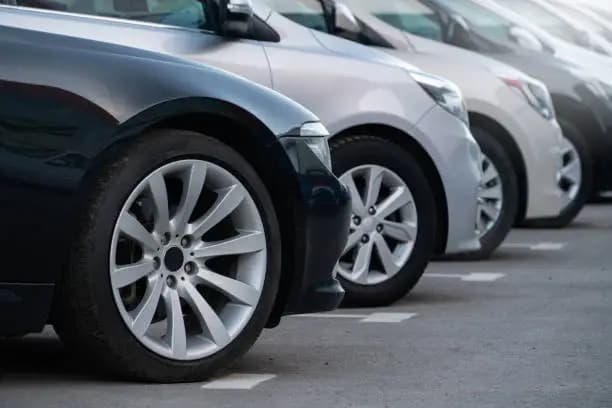
Bank repossessed cars, often called repo cars, are vehicles that have been repossessed by financial institutions after owners failed to meet their loan repayments. These vehicles are usually sold through auctions or approved dealers to recover the outstanding debt. Buying a repo car can be a cost-effective way to own a vehicle, but it is important to research carefully and inspect the car before making a purchase. Learning how to buy bank repo cars can help you find good value while avoiding unnecessary risks.
-
Table of Contents
ToggleFind Reputable Repo Car Listings
Start by looking for bank repo vehicles through reputable banks, auction houses, or authorised vehicle dealers.
Many financial institutions advertise repossessed vehicles on their websites or through approved auction partners.
- Search bank repo vehicle listings
- Use reputable auction houses
- Verify the seller’s credibility
-
Research the Vehicles
Review the available vehicles and compare their prices, mileage, condition, and specifications.
Obtain as much information as possible before deciding which vehicles to inspect.
- Compare different vehicle models
- Review the vehicle history if available
- Estimate the market value
-
Inspect the Vehicle
Whenever possible, inspect the vehicle before placing a bid or making an offer.
Check both the interior and exterior, test the vehicle if permitted, and consider having it inspected by a qualified mechanic.
- Inspect the body and interior
- Check for mechanical issues
- Arrange an independent inspection if possible
-
Arrange Your Budget and Payment
Determine your budget before participating in an auction or negotiating with the seller.
If you require financing, obtain pre-approval from your bank or finance provider before purchasing the vehicle.
- Set a maximum budget
- Arrange finance if necessary
- Understand all auction or purchase fees
-
Complete the Purchase and Transfer Ownership
If your bid or offer is successful, complete the required paperwork and make the payment according to the seller’s instructions.
Ensure the vehicle ownership is transferred into your name and that you receive all relevant documents before taking possession of the vehicle.
- Complete the purchase agreement
- Transfer ownership and registration
- Arrange vehicle insurance before driving



Comments
No comments yet. Be the first to share your thoughts.