
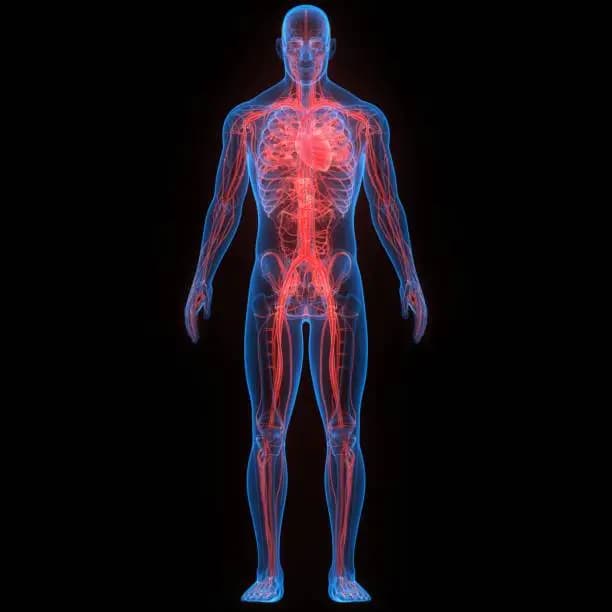
Good blood circulation is important because it helps deliver oxygen and nutrients throughout the body while carrying waste products away from tissues. If you are wondering how to improve blood circulation, several healthy lifestyle habits can support better blood flow and cardiovascular health. Regular physical activity, a balanced diet, maintaining a healthy weight, avoiding smoking and managing conditions such as high blood pressure and diabetes can all play an important role.
-
Table of Contents
ToggleExercise Regularly
Regular physical activity is one of the most effective ways to support healthy circulation. Activities such as walking, cycling, swimming and dancing encourage your heart to pump blood more efficiently.
Aim for regular movement throughout the week. If you have been inactive, start gradually and increase your activity as your fitness improves.
- Walk regularly
- Take short movement breaks when sitting for long periods
- Choose activities you enjoy
- Increase exercise gradually
-
Avoid Sitting for Long Periods
Remaining in one position for many hours can reduce movement in your legs and may contribute to swelling or discomfort.
If you work at a desk or spend much of the day sitting, get up regularly and move around. Simple activities such as walking around the room, stretching your legs or moving your ankles can help keep you active.
-
Maintain a Healthy Weight
Being overweight can increase the strain placed on the heart and blood vessels. Maintaining a healthy weight through nutritious food and regular physical activity can support cardiovascular health.
If you need to lose weight, focus on gradual and sustainable changes rather than extreme diets.
-
Eat a Balanced Diet
Your diet can have an important effect on your heart and blood vessels. Choose a variety of vegetables, fruits, whole grains, beans, lean proteins, nuts and healthy fats.
Try to limit excessive amounts of salt, added sugar, highly processed foods and unhealthy fats.
- Eat plenty of vegetables and fruits
- Choose whole grains
- Include beans and other nutritious proteins
- Limit highly processed foods
- Watch your salt intake
-
Drink Enough Water
Adequate hydration supports normal blood volume and helps the body function properly. Drink water regularly throughout the day, particularly when exercising or when the weather is hot.
Your individual fluid needs can vary depending on activity, climate and medical conditions.
-
Stop Smoking
Smoking can damage blood vessels and negatively affect circulation. Quitting smoking is therefore an important way to protect your blood vessels and overall cardiovascular health.
People who stop smoking can experience improvements in circulation within weeks, making physical activity easier for many people.
-
Manage Your Blood Pressure
High blood pressure can place extra strain on blood vessels and the heart. Regularly checking your blood pressure can help you identify a problem early.
If you have been diagnosed with high blood pressure, take prescribed medication as directed and follow your healthcare professional’s recommendations.
-
Control Blood Sugar
Diabetes and persistently high blood sugar can damage blood vessels and affect circulation over time. If you have diabetes, keeping your blood glucose within your recommended range is important.
Follow your treatment plan, attend medical appointments and maintain healthy eating and activity habits.
-
Keep Cholesterol Under Control
High levels of certain types of cholesterol can contribute to fatty deposits in arteries, which can restrict blood flow.
A heart-healthy diet, regular exercise, maintaining a healthy weight and prescribed cholesterol medication when necessary can help manage cholesterol levels.
-
Look After Your Legs and Feet
Good circulation is particularly important in the legs and feet. Avoid remaining in one position for long periods and stay physically active.
If you have diabetes or known circulation problems, check your feet regularly for cuts, wounds, colour changes or other abnormalities and seek medical advice when necessary.
-
Get Enough Sleep and Manage Stress
Poor sleep and long-term stress can affect several aspects of cardiovascular health. Establish a regular sleep routine and make time for activities that help you relax.
Deep breathing, gentle exercise, social interaction and enjoyable hobbies can help you manage everyday stress.
-
Avoid Relying on Unproven Circulation Supplements
Many products are marketed as natural circulation boosters, but supplements are not a substitute for identifying and treating the underlying cause of poor circulation.
Speak with a healthcare professional before taking supplements, particularly if you use prescription medicines or have an existing medical condition.
-
Know the Signs of Poor Circulation
Poor circulation can sometimes cause symptoms such as cold hands or feet, numbness, tingling, swelling, skin colour changes or pain in the legs during physical activity.
Persistent or worsening symptoms should not simply be treated with home remedies. They may be associated with conditions affecting the arteries, veins, heart or blood vessels.
-
Seek Medical Attention for Warning Signs
Sudden severe pain, swelling, weakness, numbness, chest pain, difficulty breathing or a sudden change in the colour or temperature of a limb requires prompt medical assessment.
If you regularly experience leg pain when walking that improves after resting, or have wounds on your feet that are slow to heal, arrange a medical evaluation.



Comments
No comments yet. Be the first to share your thoughts.