
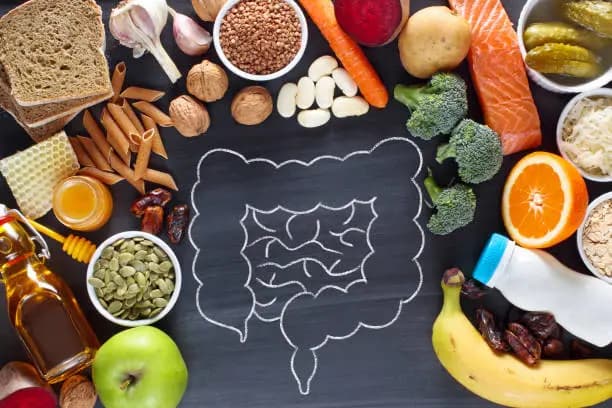
Learning how to improve digestion naturally at home can help you manage common digestive concerns such as bloating, constipation, gas and stomach discomfort. Simple lifestyle habits, including eating enough fibre, drinking adequate water, staying physically active and choosing balanced meals, can support normal digestive function. However, persistent or severe digestive symptoms may require medical assessment because they can sometimes be caused by an underlying health condition.
-
Table of Contents
ToggleEat More Fibre Gradually
Fibre helps support healthy bowel movements and can make stools easier to pass. Good sources include fruits, vegetables, beans, lentils, oats and whole grains.
Increase fibre gradually rather than suddenly, because a rapid increase can cause gas and bloating.
- Eat more vegetables and fruits
- Choose whole grains
- Include beans and lentils
- Increase fibre slowly
-
Drink Enough Water
Adequate fluids help keep the digestive system functioning normally and can help fibre work effectively.
Make water your main drink and drink regularly throughout the day. Your individual needs can vary depending on your activity level, climate and health.
-
Eat Slowly and Chew Food Well
Digestion begins in the mouth, where chewing breaks food into smaller pieces and mixes it with saliva.
Take your time while eating rather than rushing through meals. Chewing food thoroughly can also help you eat more mindfully.
- Take smaller bites
- Chew thoroughly
- Avoid rushing meals
- Pay attention to how much you are eating
-
Choose Smaller Meals
Large meals can leave some people feeling overly full or bloated. Try eating moderate portions throughout the day rather than consistently having very large meals.
This can also make it easier to identify foods that trigger your symptoms.
-
Eat More Whole Foods
A varied diet containing vegetables, fruits, whole grains, legumes, nuts, seeds and suitable sources of protein can provide nutrients and fibre that support digestive health.
Try to reduce your reliance on highly processed foods that are often high in added sugar, salt and unhealthy fats.
-
Stay Physically Active
Regular movement can support normal bowel function and may help reduce constipation and bloating.
Walking after meals or taking regular movement breaks during the day can be an easy way to become more active.
-
Avoid Ignoring the Urge to Use the Toilet
Regularly ignoring the urge to have a bowel movement can contribute to constipation for some people.
Give yourself enough time when you need to use the bathroom and try to establish a regular routine.
-
Limit Foods That Trigger Bloating
Different people react differently to certain foods. Some may experience increased gas or bloating after consuming fizzy drinks, large amounts of beans, certain vegetables, fatty foods or foods they do not tolerate well.
Keep track of foods that repeatedly cause symptoms rather than unnecessarily eliminating large groups of foods from your diet.
-
Reduce Excessive Fizzy Drinks
Carbonated drinks can increase the amount of gas in the digestive tract and may make bloating worse in some people.
Choose water or other suitable non-carbonated drinks more often if fizzy beverages seem to trigger discomfort.
-
Manage Stress
Stress can affect the way some people experience digestive symptoms. Making time for relaxation, physical activity, adequate sleep and enjoyable activities may support overall well-being.
Simple practices such as deep breathing, walking or spending time with friends and family can help you manage everyday stress.
-
Get Enough Sleep
Good sleep supports overall health and can help you maintain healthy daily habits.
Try to keep a consistent sleeping schedule and create a comfortable, relaxing environment at night.
-
Consider Fermented Foods
Some fermented foods contain live microorganisms that may support the gut microbiome. Examples include plain yoghurt containing live cultures and certain traditionally fermented foods.
However, not every fermented food is suitable for everyone. If a particular food causes bloating or discomfort, reduce it or avoid it.
-
Avoid Excessive Alcohol
Alcohol can contribute to digestive problems for some people and excessive consumption can harm several organs involved in digestion.
Limiting alcohol or avoiding it altogether can be part of a healthier lifestyle.
-
Be Careful With “Digestive Detox” Products
You do not need special detox drinks, teas or cleanses to make your digestive system work properly.
Some products marketed for digestion may contain strong laxative ingredients or supplements that can cause side effects. Focus instead on fibre, adequate fluids, nutritious food and regular activity.
-
Know When to Seek Medical Help
Home measures may help with mild digestive problems, but persistent or severe symptoms should not be ignored.
Seek medical advice if you experience ongoing abdominal pain, blood in your stool, unexplained weight loss, persistent vomiting, difficulty passing stool or gas, fever, or digestive symptoms that do not improve with self-care.



Comments
No comments yet. Be the first to share your thoughts.