
A positive guest experience can influence how visitors remember a hotel, whether they leave good reviews, and whether they choose to return. Learning how to improve guest experience in hotel involves more than providing a clean room. It requires friendly service, comfortable facilities, clear communication, quick problem-solving, personalization, and convenient services throughout the guest’s stay. By focusing on the entire guest journey, hotels can create a welcoming and memorable experience.
-
Table of Contents
ToggleCreate a Warm Welcome
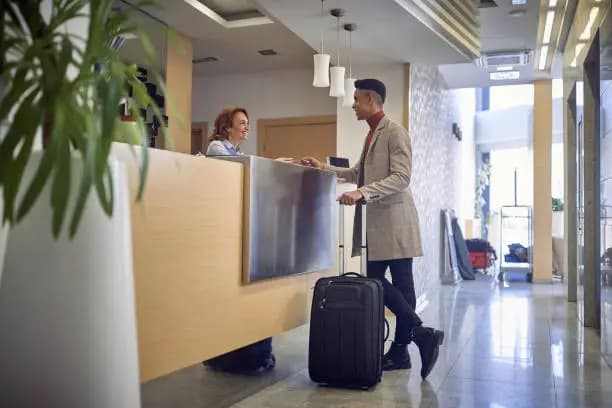
The guest experience begins as soon as a visitor arrives at the hotel. Staff should greet guests politely, provide clear information, and make the check-in process as smooth as possible.
A friendly welcome can help guests feel comfortable after travelling.
- Greet guests warmly
- Use polite and professional language
- Provide clear check-in information
- Offer assistance with luggage when appropriate
-
Keep Rooms Clean and Comfortable
Cleanliness is one of the most important parts of the hotel experience. Rooms should be thoroughly cleaned and checked before guests arrive.
Pay attention to details such as fresh bedding, clean bathrooms, working lights, comfortable temperatures, and sufficient toiletries.
- Clean rooms thoroughly
- Provide fresh towels and bedding
- Check bathrooms before arrival
- Make sure essential facilities are working
-
Train Staff to Provide Excellent Service
Employees have a major influence on how guests perceive a hotel. Staff should understand how to communicate professionally, handle different types of guests, and respond appropriately to requests.
Regular training can help maintain consistent service across departments.
- Train staff in customer service
- Encourage polite communication
- Teach employees how to handle difficult situations
- Provide regular feedback and coaching
-
Personalize the Guest Experience
Small personalized touches can make guests feel valued. Where appropriate and with respect for privacy, hotels can use information already provided by guests to tailor their service.
For example, staff can remember preferences of returning guests or pay attention to special requests.
- Remember returning guests’ preferences
- Acknowledge special occasions
- Respect guest privacy
- Customize services when practical
-
Make Check-In and Check-Out Easy
Long queues and complicated procedures can create unnecessary frustration. Hotels can improve the experience by making arrival and departure processes efficient.
Where suitable, digital check-in, mobile payments, express check-out, or clear pre-arrival information can reduce unnecessary delays.
- Reduce waiting times
- Prepare rooms before scheduled arrivals
- Provide clear payment information
- Offer convenient check-out options
-
Respond Quickly to Guest Requests
Guests appreciate knowing that their concerns are taken seriously. Whether someone needs extra towels, has a maintenance problem, or needs information about the area, requests should be assigned and followed through.
A request should not disappear between departments.
- Acknowledge requests promptly
- Assign requests to the appropriate employee
- Follow up after resolving the issue
- Keep guests informed about delays
-
Handle Complaints Professionally
Problems can happen even in well-managed hotels. What matters is how the hotel responds when something goes wrong.
Listen carefully, acknowledge the concern, apologize where appropriate, and work toward a practical solution.
- Listen without interrupting
- Remain calm and respectful
- Resolve problems as quickly as possible
- Follow up to confirm the guest is satisfied
-
Provide Reliable Wi-Fi and Useful Technology
Many guests depend on reliable internet for work, communication, entertainment, and travel planning. A strong Wi-Fi connection can therefore contribute significantly to convenience.
Hotels can also use technology to make services easier to access without removing important human interactions.
- Provide reliable Wi-Fi
- Make connection instructions simple
- Offer digital information about hotel facilities
- Use technology to reduce unnecessary waiting
-
Make Hotel Information Easy to Find
Guests should not have to repeatedly call reception to find basic information. Provide clear information about restaurant hours, Wi-Fi access, pool facilities, check-out times, transport, and other important services.
A digital guest guide can also make information easier to access.
- Provide clear hotel information
- Display important operating hours
- Give guests useful local recommendations
- Make information available digitally where appropriate
-
Pay Attention to Food and Dining Services
Food can be an important part of the overall hotel experience. Restaurants, room service, breakfast, and other dining services should be reliable, clean, and professionally managed.
Staff should also take reasonable dietary requirements and allergies seriously.
- Serve fresh and well-presented food
- Maintain high hygiene standards
- Provide clear menu information
- Communicate dietary options accurately
-
Maintain Hotel Facilities
Broken equipment, poorly maintained bathrooms, unreliable air conditioning, or damaged furniture can negatively affect a guest’s stay.
Regular inspections and preventive maintenance can help identify problems before guests experience them.
- Inspect rooms regularly
- Maintain plumbing and electrical systems
- Check air conditioning and heating
- Repair damaged furniture and equipment promptly
-
Make the Hotel Easy to Navigate
Guests should be able to find reception, rooms, restaurants, parking areas, lifts, meeting rooms, and other facilities without unnecessary confusion.
Clear signs and helpful staff can make moving around the property easier.
- Use clear directional signs
- Provide maps where appropriate
- Keep hallways and entrances well maintained
- Assist guests who need directions
-
Give Staff Authority to Solve Problems
Employees should have clear guidelines on how to handle reasonable guest complaints and service problems without unnecessarily sending every issue to management.
Empowering staff can help resolve problems faster while giving employees confidence.
- Set clear service recovery guidelines
- Give staff reasonable decision-making authority
- Encourage employees to take ownership of problems
- Review difficult cases to improve future service
-
Ask Guests for Feedback
Hotels should regularly find out what guests liked and what needs improvement. Feedback can come through surveys, direct conversations, online reviews, or messages after departure.
The important part is to turn useful feedback into action.
- Ask guests about their experience
- Monitor recurring complaints
- Review online feedback
- Share important findings with staff
- Make improvements based on repeated concerns
-
Continue the Relationship After Checkout
The guest experience does not necessarily end when a visitor leaves. A simple follow-up message can thank the guest and provide an opportunity to share feedback.
Hotels can also use appropriate loyalty or communication programs to maintain relationships with returning guests.
- Thank guests after their stay
- Invite them to provide feedback
- Respond professionally to reviews
- Keep useful guest preferences for future stays with appropriate privacy controls


Comments
No comments yet. Be the first to share your thoughts.