
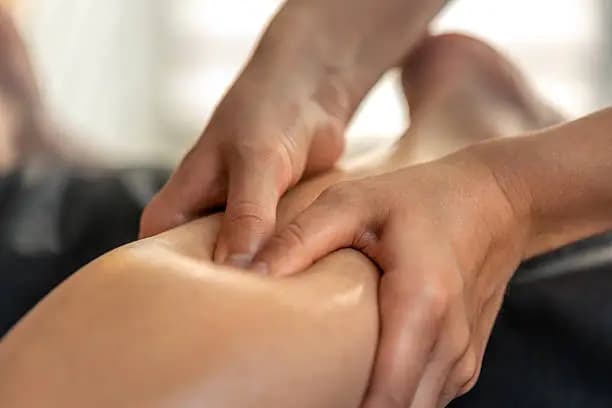
Learning how to improve lymphatic drainage in legs can be helpful for people experiencing leg swelling caused by lymphoedema or other fluid build-up. The lymphatic system helps remove excess fluid from body tissues, and movement of the surrounding muscles helps encourage lymph flow. Gentle exercise, appropriate compression, elevation, good skin care and specialist lymphatic drainage techniques are commonly used to manage lymphoedema.
-
Table of Contents
ToggleKeep Your Legs Moving
Regular gentle movement can help stimulate lymph flow because contracting muscles act as a natural pump.
Walking, cycling, swimming and other suitable activities can help keep the legs active.
- Walk regularly
- Avoid staying in one position for long periods
- Choose activities that are comfortable for your fitness level
-
Try Gentle Leg Exercises
Simple exercises can encourage movement of fluid through the legs.
You can perform gentle ankle movements, heel raises, seated marching and controlled knee movements. Start slowly and stop if you experience pain or dizziness.
-
Elevate Your Legs
Raising swollen legs while resting can help fluid move away from the affected area.
Place your legs on pillows or another comfortable support while lying down. Avoid remaining seated with your feet hanging down for long periods.
-
Consider Proper Compression
Compression stockings, bandages or wraps can help prevent fluid from building up in an affected leg and can work together with exercise to encourage lymph movement.
However, compression is not suitable for everyone, particularly people with certain arterial circulation problems. It is best to have compression properly assessed and fitted by a healthcare professional.
-
Learn Manual Lymphatic Drainage
Manual lymphatic drainage is a specialised form of gentle massage used to encourage lymph fluid to move away from congested areas.
A trained lymphoedema therapist can perform the technique and teach you an appropriate simplified routine for use at home. Avoid attempting vigorous massage because lymphatic drainage uses gentle techniques and should be tailored to the individual.
-
Look After Your Skin
Good skin care is particularly important when you have lymphoedema because swelling can increase the risk of skin infections.
Keep your legs clean and moisturised, protect them from cuts and insect bites, and treat small wounds promptly.
- Keep skin clean and dry
- Moisturise regularly
- Avoid unnecessary cuts and scratches
- Wear properly fitting footwear
-
Maintain a Healthy Weight
Maintaining a healthy weight can help with the management of lymphoedema.
A balanced diet and regular physical activity can support overall health and may help control swelling.
-
Avoid Sitting or Standing for Too Long
Remaining in the same position for extended periods can contribute to swelling.
If you have to sit for a long time, move your ankles and legs regularly and take short walks when possible. If you stand for extended periods, take opportunities to sit, move around or elevate your legs.
-
Avoid Very Tight Clothing
Tight clothing around the legs, waist or affected areas may be uncomfortable when you have swelling.
Choose comfortable clothing and properly fitting shoes and socks.
-
Avoid Excessive Heat
Very hot baths, showers, saunas and similar heat exposure can increase swelling in some people with lymphoedema.
If heat makes your legs feel more swollen or uncomfortable, use cooler temperatures and avoid prolonged exposure.
-
Get the Cause of Leg Swelling Checked
Not all swollen legs are caused by lymphatic problems. Leg swelling can also be associated with prolonged sitting or standing, medications, varicose veins, pregnancy, injuries, infections, kidney or heart problems and blood clots.
If you have unexplained or persistent swelling, arrange a medical assessment rather than assuming that you need lymphatic drainage.
-
Know When to Seek Urgent Medical Care
Sudden swelling in one leg, particularly when accompanied by significant pain, redness or warmth, needs prompt medical assessment.
Seek emergency help if leg swelling occurs with shortness of breath, chest pain, coughing up blood, faintness or severe light-headedness because these can be signs of a potentially serious blood clot complication.



Comments
No comments yet. Be the first to share your thoughts.