
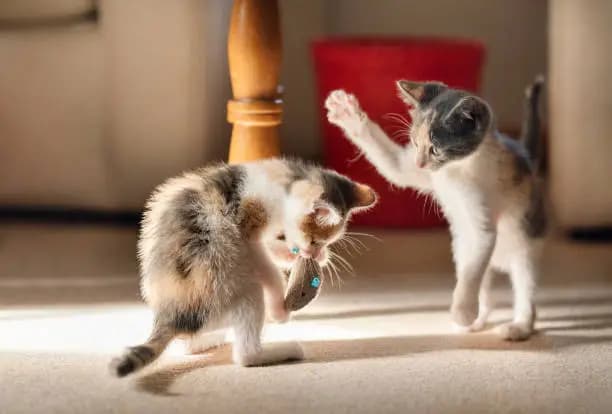
Learning how to introduce kittens to each other can make the transition easier when bringing a new kitten into a home with another young cat. Although kittens may adjust more easily than adult cats, they still need time to become familiar with new smells, sounds, and behavior. A gradual introduction can reduce fear and tension while helping the kittens develop a comfortable relationship. With patience, supervision, and a safe environment, you can give both kittens a positive start together.
-
Table of Contents
TogglePrepare a Separate Space
Before bringing the kittens together, prepare a separate room for the new kitten. The room should contain food, water, a litter tray, bedding, toys, and a comfortable hiding place.
This gives the new kitten time to settle before meeting the other kitten.
- Choose a quiet room
- Provide essential supplies
- Give the kitten a safe hiding place
-
Allow the Kittens to Become Comfortable
Give the new kitten time to adjust to its surroundings before introducing it directly to the other kitten.
Avoid rushing the process if the new kitten appears frightened or overwhelmed.
- Allow time to explore
- Keep the environment calm
- Observe the kitten’s behavior
-
Introduce Their Scents
Cats rely heavily on smell when identifying familiar animals and environments. You can help the kittens become familiar with each other by exchanging bedding or using separate soft cloths to carry each kitten’s scent.
Place the scented items near the other kitten’s resting area and allow them to investigate.
- Exchange bedding
- Introduce scents gradually
- Watch how each kitten responds
-
Feed Them Near Opposite Sides of a Door
Place their food bowls on opposite sides of the closed door separating them. This allows the kittens to associate the smell of the other kitten with something positive.
Gradually move the bowls closer to the door if both kittens remain relaxed.
- Start with comfortable distances
- Feed them at the same time
- Reward calm behavior
-
Allow Them to See Each Other Safely
Once the kittens appear comfortable with each other’s scent, allow them to see one another through a barrier such as a secure baby gate or partially opened door.
Keep the interaction short and supervised.
- Use a safe barrier
- Keep early visual meetings brief
- Look for relaxed behavior
-
Introduce Them Face to Face
When both kittens appear comfortable, allow a short face-to-face meeting in a safe room.
Let them approach each other naturally rather than carrying one kitten toward the other.
- Supervise the meeting
- Allow natural movement
- Avoid forcing interaction
-
Watch Their Body Language
Pay attention to how the kittens behave during meetings. Curious sniffing, gentle play, relaxed movement, and taking short breaks can be normal.
Hissing, growling, flattened ears, persistent hiding, swatting, or attempts to escape may indicate that the kittens need more space or a slower introduction.
- Watch their ears and tails
- Monitor their posture
- Give them space if they become uncomfortable
-
Keep the First Meetings Short
Do not expect the kittens to spend hours together immediately.
Start with short meetings and gradually increase the amount of time they spend together when both remain calm.
- Begin with a few minutes
- End meetings while they are calm
- Increase time gradually
-
Use Play to Build Positive Associations
Interactive play can help kittens become comfortable around each other. Use toys such as wand toys or other suitable objects that allow both kittens to participate without competing directly.
Keep an eye on the kittens so play does not become too rough.
- Use appropriate toys
- Encourage calm play
- Separate them if play becomes aggressive
-
Provide Enough Resources
Competition over food, litter trays, sleeping areas, or toys can create tension.
Provide separate food and water bowls, multiple resting areas, and enough litter trays for the number of cats in the home. A commonly used guideline is one litter tray per cat plus one extra.
- Provide multiple litter trays
- Give each kitten its own food area
- Provide several resting and hiding places
-
Give Each Kitten a Safe Retreat
Even after the kittens begin spending time together, each kitten should have somewhere it can retreat when it wants to rest.
Hiding places, cat beds, boxes, and elevated areas can help kittens feel secure.
- Provide separate resting areas
- Use safe hiding places
- Avoid trapping either kitten
-
Supervise Their Interactions
Continue supervising the kittens until you are confident that they can safely interact without serious conflict.
This is particularly important when they are playing, eating, or using valuable resources.
- Stay nearby during early meetings
- Monitor rough play
- Separate them when necessary
-
Avoid Punishing Fear or Aggression
Do not shout at, hit, or punish a kitten for hissing, growling, or trying to move away.
Instead, calmly separate the kittens and give them time to settle before trying again.
- Stay calm
- Increase their distance
- Return to an earlier stage if necessary
-
Be Patient With the Process
Some kittens become comfortable with each other quickly, while others need more time. The introduction should progress according to their behavior rather than a fixed schedule.
If either kitten repeatedly shows signs of stress, slow down the process.
- Allow gradual progress
- Repeat successful introductions
- Avoid rushing the kittens
-
Seek Veterinary or Behavior Advice When Needed
If the kittens repeatedly fight, one kitten is constantly hiding, either kitten stops eating, or there are injuries, seek advice from a veterinarian.
A professional can help determine whether illness, stress, fear, or another behavioral issue is contributing to the problem.



Comments
No comments yet. Be the first to share your thoughts.