
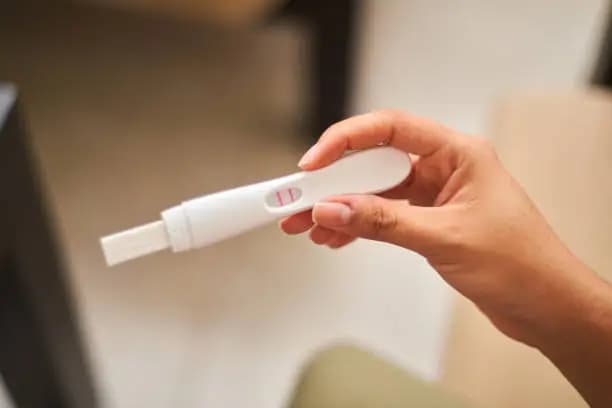
Learning how to read a pregnancy test kit can help you understand whether you may be pregnant and decide what to do next. Home pregnancy tests detect a hormone called human chorionic gonadotropin (hCG), which increases during pregnancy. Most kits display the result using lines, symbols, or a digital message. However, reading the result correctly is important because testing too early, using the kit incorrectly, or checking the result outside the recommended time can lead to confusion.
-
Table of Contents
ToggleCheck the Instructions Before Testing
Before using a pregnancy test kit, read the manufacturer’s instructions carefully because different brands may work differently.
- Check the expiry date on the package.
- Ensure the test kit is sealed and undamaged.
- Check whether the kit requires urine to be collected in a clean container or applied directly to the test.
- Follow the instructions for the correct amount of urine.
- Use a timer to observe the result within the specified time.
Many tests can be used at any time of day, but first-morning urine may improve accuracy when testing early because it is often more concentrated.
-
Understand the Control Line (C)
Many line-based pregnancy tests have a control line marked C.
- C line appears: The test has worked correctly.
- C line does not appear: The test is invalid, regardless of whether another line is visible.
If the control line does not appear, repeat the test with a new kit. Do not rely on an invalid result.
-
Understand the Test Line (T)
Some pregnancy tests have two marked areas: C for control and T for test.
- Two lines (C and T): Usually a positive result, even if the T line is faint, provided it appears within the manufacturer’s reading time.
- One line at C only: Usually a negative result.
- A line at T but no line at C: An invalid result.
- No lines: An invalid result.
A faint second line can indicate pregnancy, especially when testing early. However, always follow the instructions for your specific kit.
-
Understand Digital Pregnancy Test Results
Some pregnancy test kits display words or symbols instead of lines.
Common results include:
- Pregnant or positive: The test has detected hCG.
- Not pregnant or negative: The test has not detected enough hCG to produce a positive result.
- Error or invalid: The test did not work correctly.
Check the manufacturer’s instructions to understand the exact symbols or messages displayed by your kit.
-
Know When to Take a Pregnancy Test
Pregnancy tests are generally more reliable from the first day of a missed period. If you do not know when your period is due, testing at least 21 days after your last unprotected sex is a useful guideline.
If your result is negative but your period does not start, repeat the test after a few days. Testing too early may produce a false-negative result because hCG levels may still be low.
If you repeatedly receive negative results and your period remains absent, consult a healthcare provider.
-
What to Do After Reading the Result
If the test is positive, arrange an appointment with a healthcare provider to discuss pregnancy care and your next steps.
If the result is negative, consider whether you tested too early and repeat the test when appropriate.
Seek urgent medical care if you have severe abdominal pain, particularly on one side, shoulder-tip pain, fainting, or heavy bleeding, especially if pregnancy is possible. These symptoms can indicate a serious condition, including an ectopic pregnancy, even if a home test is negative.


Comments
No comments yet. Be the first to share your thoughts.