
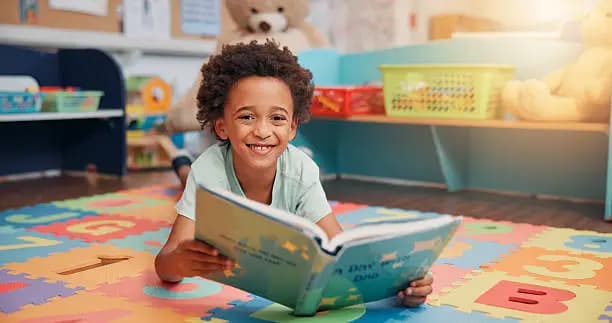
Writing a children’s book is a rewarding way to share stories, lessons, and imagination with young readers. A good children’s book should be engaging, easy to understand, and appropriate for the target age group. Learning how to write a children’s book helps you create stories that entertain, educate, and inspire children. With creativity, clear language, and relatable characters, you can develop a story that young readers will enjoy.
-
Table of Contents
ToggleChoose the Right Age Group
Different age groups require different writing styles, vocabulary, and story lengths.
Understanding your audience helps shape the story effectively.
- Decide the target age range
- Use age-appropriate language
- Match the story length to the audience
-
Create a Simple and Interesting Story Idea
Children’s stories usually work best when they focus on one clear idea or lesson.
Choose a fun, meaningful, or imaginative concept.
- Keep the main idea easy to follow
- Include adventure, humor, or learning
- Make the story engaging from the beginning
-
Develop Memorable Characters
Strong characters help children connect emotionally with the story.
Characters can be people, animals, or imaginative creatures.
- Give characters clear personalities
- Make them relatable or entertaining
- Keep character descriptions simple
-
Use Clear and Simple Language
Children’s books should be easy to read and understand.
Short sentences and simple words often work best.
- Avoid overly complicated vocabulary
- Use descriptive but simple writing
- Keep the story flowing smoothly
-
End the Story with Purpose or Emotion
A satisfying ending helps leave a lasting impression on young readers.
The ending may include a lesson, a happy resolution, or an emotional moment.
- Resolve the main problem clearly
- Leave readers with a positive message
- Make the conclusion memorable



Comments
No comments yet. Be the first to share your thoughts.