

Kenyans have been assured that the government is fully prepared to respond to the anticipated El Niño rains expected between October and December as comprehensive measures are underway to minimize disruption and safeguard lives.
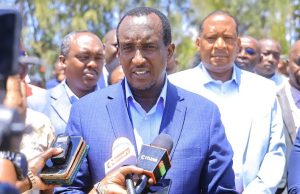
Narok County Commissioner Mr. Kipkech Lotiatia urged the public to remain calm and follow guidance from authorities, noting that all relevant ministries, departments, agencies, and state organs had been mobilized following weather forecasts indicating a high probability of above-normal rainfall later this year.
Mr. Lotiatia, who spoke in his office after chairing a multi-agency El Niño preparedness meeting, said the government is coordinating efforts to mitigate the potential impact of the expected El Niño rains in collaboration with county governments, development partners, and humanitarian organizations.
Kenya has put several parts of the country on alert ahead of forecasts of heavy rains linked to a possible El Nino weather event from October.
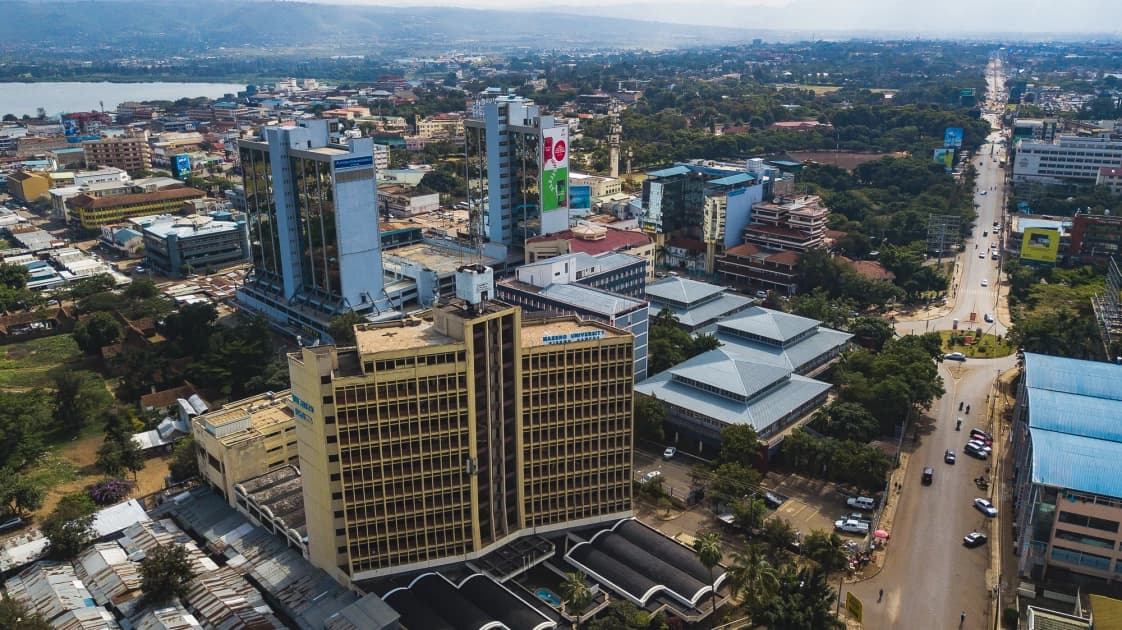
Mr. Lotiatia said that the government had put plans in place to prepare areas expected to be more vulnerable to the effects of the rains. He singled out Transmara, Narok North, Olokurto, Olposimoru, and Narok Town as areas prone to flooding, mudslides, and landslides during heavy rains.
He said the government was ready to respond quickly to emergencies and prevent loss of life in affected areas.
“We are prepared, and we have put all the necessary plans in place,” he said.
He said the government had stationed resources in areas considered more vulnerable to the expected rains.
Mr. Lotiatia said the government was working with various agencies to prepare for possible emergencies arising from the weather event.
“We are working with most agency teams so that we manage any eventuality which may occur because of El Niño,” he said.
He said the government was also coordinating with non-state actors, including the Kenya Red Cross Society, as part of the preparations.
“I want to assure all Kenyans who are here that your government is ready and we are working in a coordinated manner with different agencies and government agencies, as well as other non-state actors like the Kenya Red Cross Society,” the administrator said.
He called on the Narok County government to take early measures to prevent flooding, particularly in urban areas where blocked drainage systems could worsen the impact of heavy rains.
“We are calling upon the county government to ensure drainage is cleared early,” he said.
The multi-agency preparedness meeting comes amid growing concern over the potential impact of above-normal rainfall, particularly in areas that have previously experienced flooding and other disasters during heavy rains.
The expected rains are also likely to increase water levels in rivers, lakes, and other water bodies while saturating the ground in areas receiving heavy rainfall.
This could increase the risk of rivers bursting their banks, particularly threatening communities living along riverbanks and in low-lying areas.
Mr. Lotiatia urged Kenyans to strictly follow safety instructions issued by security and disaster management agencies, particularly in areas vulnerable to flooding, landslides, and mudslides.
The administrator said security agencies and administrators had been directed to enforce evacuation orders and movement restrictions in flooded areas as preparations intensify in high-risk zones.
He also said the government was taking measures to protect post-harvest crop losses and livestock from diseases that could emerge during the rainy season.
Mr. Lotiatia urged the county government and members of the public to prepare adequately ahead of the expected El Niño rains to prevent diseases, injuries, and loss of life.
He warned that heavy rainfall and flooding could contaminate water sources and create conditions favorable for mosquito breeding.
He identified increased risks of malaria, dengue fever, and Rift Valley fever, alongside waterborne diseases including cholera, typhoid, and other diarrheal illnesses.
The meeting follows a forecast by the Kenya Meteorological Department (KMD) indicating a 99 per cent probability of above-normal rainfall between October and December 2026, with the rains expected to continue into 2027.
A wetter-than-normal October-November-December 2026 is anticipated across much of Kenya, with prolonged wet spells and isolated heavy storms.
Mr. Lotiatia assured the public that forecasts and warnings will continue to be issued and updated; that information will be disseminated through multiple channels; and that national and county structures are coordinating preparedness.
Narok Governor Mr. Patrick Keturet Ole Ntutu warned against dumping garbage in drainage channels, saying blocked drains could contribute to flooding when heavy rains begin.
“Garbage should not be in the drains,” he said.
Mr. Ntutu assured that his administration had held consultations and developed measures aimed at mitigating the effects of the expected weather conditions.
“As a county government, we have sat down, and we have come up with measures to mitigate the effects of El Niño. We are ready as a devolved unit,” he said.
The Governor said his administration was prioritizing measures to prevent flooding, landslides, and mudslides while ensuring uninterrupted movement of people, goods, and services and protecting public health.
“We are taking action in collaboration with the national government and other non-state actors to ensure that there is no disruption of civic order, movement of goods or services, or public health. Preventive interventions are also being undertaken in areas prone to floods, landslides, and mudslides to prevent loss of life and property,” he said.
He urged Kenyans to take advantage of the coming rains to grow more trees in line with the government’s ambitious initiative of growing 15 billion trees.
During the meeting, meteorological experts pointed out that the strength of El Niño was gaining momentum, meaning that it could even be stronger than the 1997 one.
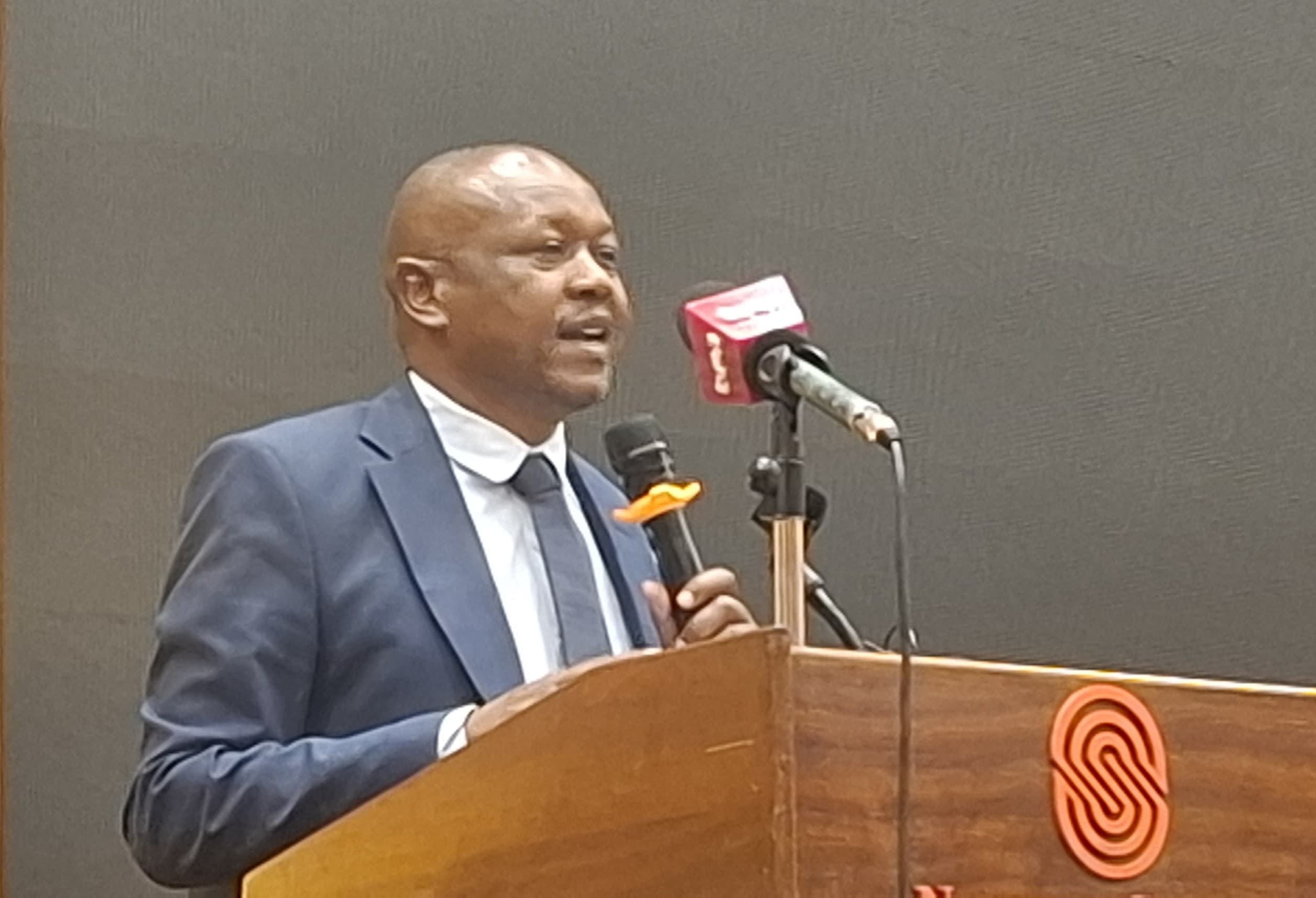
Narok County Director of Meteorological Services, Mr. Stanley Kinyua, said scientific evidence indicates that the El Niño signal is strong and still intensifying.
“The Indian Ocean Dipole, which is another important driver, is currently neutral. Such a strong El Niño can substantially alter temperature and rainfall patterns across many parts of the world, increasing the likelihood of impacts, including floods, drought, and extreme heat.”
Mr. Kinyua said the strength of an El Niño event alone does not determine how severe the impact will be in any individual country or region.
Its effects vary according to the location and season and can be modified by other climate drivers, including conditions in the Indian and Atlantic oceans.
“That is why we keep mentioning an El Niño and also the Indian Ocean Dipole, which are the main drivers that are likely to influence the season.”
He added: “Since the El Niño signal is strong, I would like to reiterate that the expected rainfall conditions may not necessarily be like 1997.”
Mr. Kinyua said that during the 1997 El Niño event, which was amongst the strongest El Niño events, the Indian Ocean Dipole was also very strong.
For Kenya to receive high rainfall records, a positive IOD, combined with strong El Niño conditions, enhances the possibility of above-average rainfall over most parts of the country during the October, November, and December season.
Mr. Kinyua said the forecasts show a near 100 per cent likelihood that it will persist through February 2027.
He said a very strong El Niño can significantly shift rainfall and temperature patterns worldwide and fuel extreme weather.
“Exceptional weather demands exceptional preparedness and response. Early warning should lead to early action and anticipatory planning.”
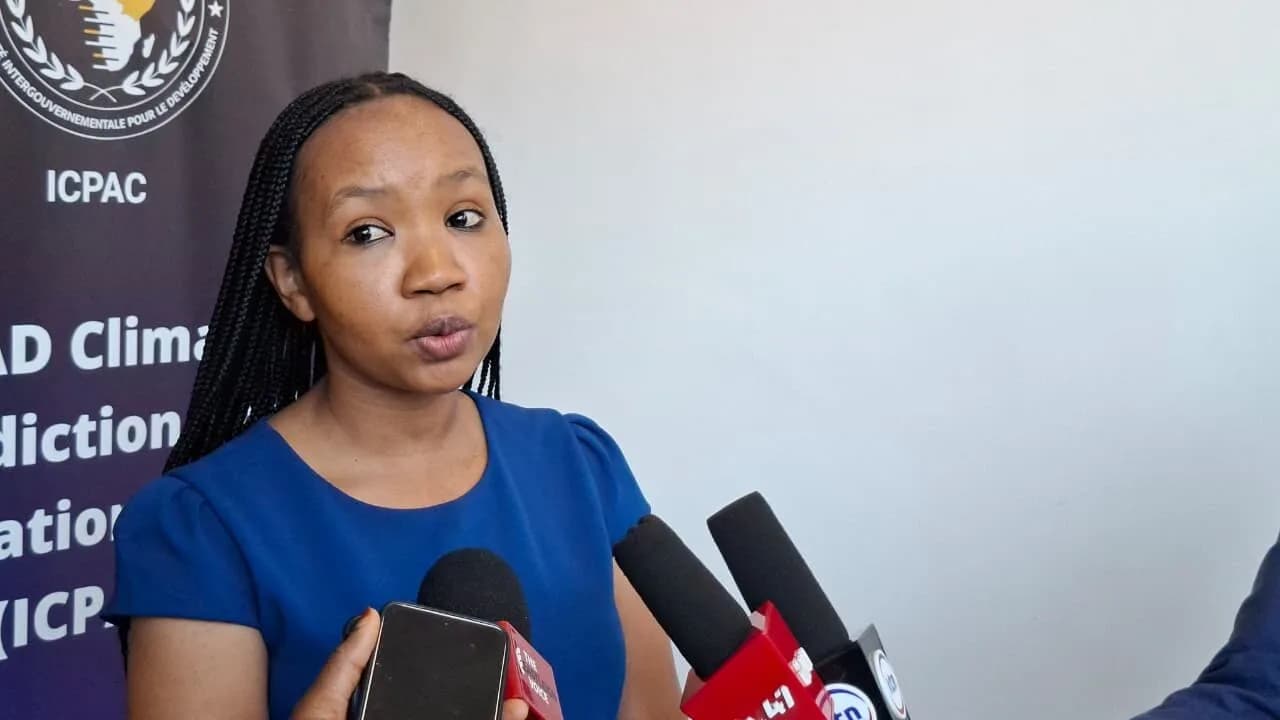
Narok County Kenya Red Cross Society (KRCS) coordinator, Ms. Soila Sankale, urged communities and government agencies to take precautionary measures ahead of the expected El Niño rains, saying no lives should be lost during the season.
Ms. Sankale said the anticipated above-normal rainfall could trigger flooding, displacement, landslides, building collapses, and disease outbreaks in different parts of the country.
The KRCS coordinator said all stakeholders must work together to ensure that people affected by the rains are protected and displaced families have access to essential necessities.
“No lives should be lost,” Idris said, stressing the need for communities to take early action before the rains intensify.
She said the Kenya Red Cross Society was working with national and county governments, as well as other partners, to prepare for the expected risks and respond to emergencies.
Ms. Sankale outlined three key measures that communities should take to reduce the impact of the rains.
In urban areas, she urged residents to support the county government in clearing blocked drainage systems and ensuring that water can flow freely.
“In urban areas, we need to support the county in clearing and opening drainage,” she said.
Blocked and poorly maintained drainage systems can worsen flooding, particularly in densely populated settlements and areas that are prone to waterlogging.
Ms. Sankale also called on communities to take early warning messages seriously.
She said residents should pay attention to alerts issued by authorities and humanitarian agencies, including SMS warnings from the Kenya Red Cross, which may advise people on areas to avoid and where to seek safety.
The third measure, she said, was for individuals to avoid taking unnecessary risks during floods.
Ms. Sankale particularly warned motorists against attempting to drive through moving floodwaters, saying the power of a vehicle does not guarantee safety.
“We have seen individuals see moving water and think they are very good drivers, and your vehicle is powerful. It is not worth it,” she said.
She recalled previous incidents in which reckless decisions by motorists during flooding had resulted in loss of lives.
“Drivers were reckless, and a number of lives were lost,” she said.
By Emily Kadzo
Comments
No comments yet. Be the first to share your thoughts.