
As schools close for the long December holiday, excitement has already been building in many homes across the country.
Pre-primary, primary, junior school and secondary schools are expected to break for the holidays on October 23 to pave the way for the administration of national exams.
While primary schools and junior schools will be administering KPSEA, KILEA, and KJSEA tests from October 26, form four candidates will be sitting for their KCSE exams beginning November 2.
But holidays, when lengthy, can be a potential snare for many children, especially when left on their own, as parents go out to eke a livelihood for the family.
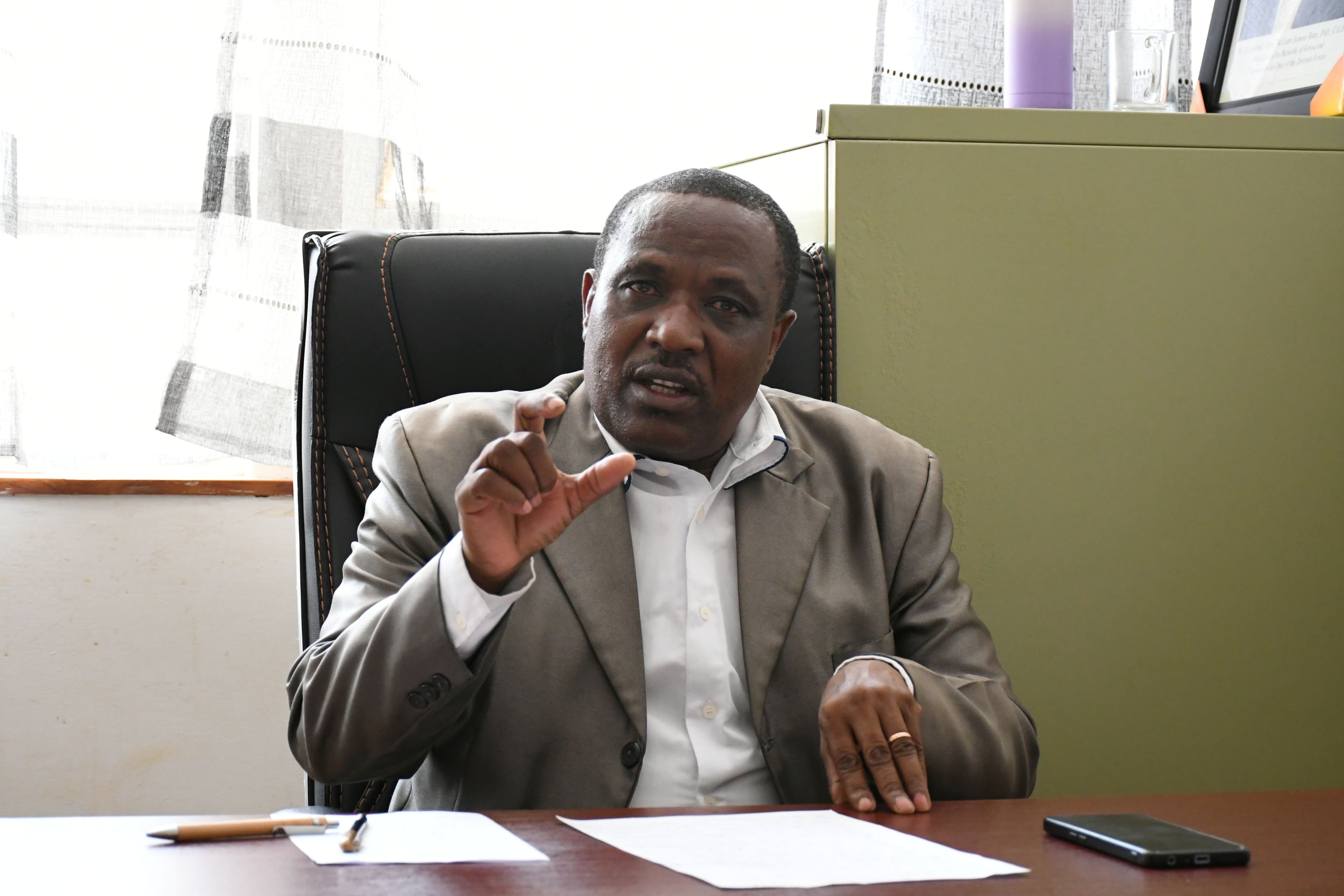
The Nyeri County Children Services Coordinator, Joseph Mburu, is therefore advising parents to keep watch over their children during the long holiday break and ensure they are occupied in activities that will be beneficial to them.
Mburu noted that while many families are looking forward to a reunion with their children, parents must also prepare adequately for this period, including ensuring the home space is conducive and safe for the young ones.
He advised parents to ensure that someone responsible is always present at home, especially in cases where both parents are working far from home to protect their children against paedophiles and other dangers.
“Children should never be left alone and need to be protected from harm. Parents must ensure they know who is interacting with their children, know the character of the people who befriend them and know their whereabouts.
They should also ensure that the children are engaged in some form of work and not just sitting down in front of the screen watching endless content,” advised Mburu.
Among the duties Mburu advises parents to engage their children in include performing light chores such as cleaning of utensils, giving a hand in feeding domestic animals and sweeping the home compound.
He says such activities would greatly distract children from spending their entire time on electronic gadgets and TV.
The coordinator said by so doing, parents are not only training their children on being responsible but also keeping them from harm’s way.
He nevertheless says such tasks should be given in accordance with a child’s age and individual capability.
“Parents should avoid involving their children in their personal businesses one-on-one, since by doing so you put them at a higher risk of meeting the predators who might end up luring them into unwanted activities or even introducing them to the trafficking of drugs and gangs,” warns the officer.
Mburu has also advised parents to be vigilant of their children in terms of the places they play and also train them to avoid taking free things from strangers.
He says every parent should make sure her child does not get out of earshot and or play in secluded and dark places such as near incomplete construction sites and underpasses, where they may be at risk to marauding sex pests and child traffickers.
“Finally, parents need to warn their children not to take free things from anyone, be it family friends, relatives or workmates. Remember, every gift is always tied to something, and nowadays nothing is for free; it must be paid. In the event of danger, teach your children to always call for help by calling 116, which is a toll-free number, in order to get the much needed assistance,” he added.
On limiting screen time, Mburu is advising parents to adhere to the 20-20-20 rule, where you check the screen for 20 minutes and spend the next 20 minutes doing something else and the other 20 doing something different.
This is a simple eye-care tip to protect children from too much exposure to electronic gadgets. Under this rule, children in grade two and below are warned against sitting in front of TV screens for more than one hour daily. Those in grade three and above should be limited to two hours.
“We need to control screen time by practicing the 20-20-20 rule that prevents digital eye strain and fatigue from staring at screens. This reduces the danger of getting eye problems since children are spending much of their time on the screen. We must control what these children are watching,” said Mburu.
By Samuel Maina and Kelvin Opiyo
Comments
No comments yet. Be the first to share your thoughts.