
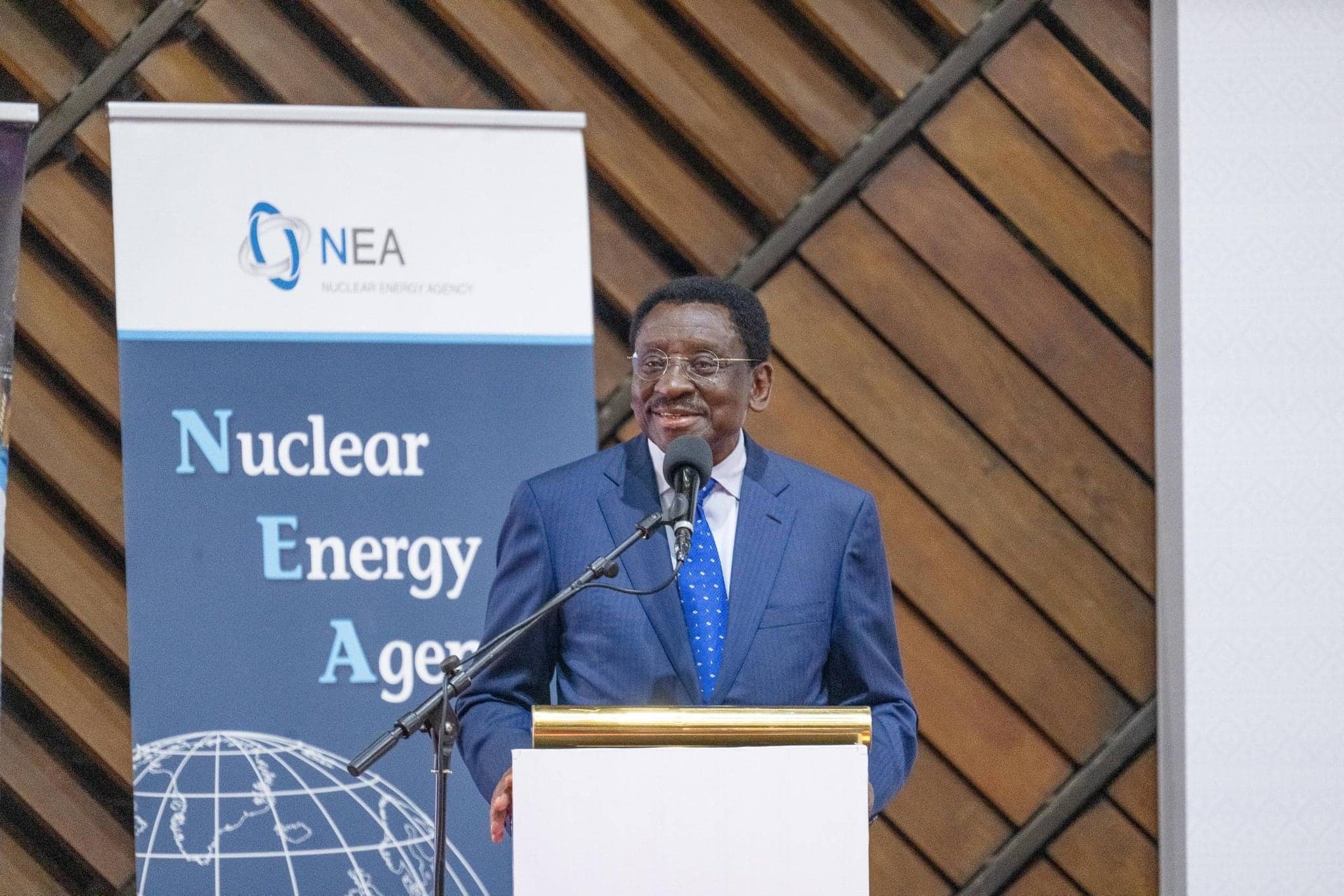
The decision by Siaya Governor James Orengo to publicly support the proposed nuclear power plant in his county, even as a prominent opposition figure, marks an important moment in Kenya’s discussion about nuclear energy and the country’s long-term energy future. His position places nuclear energy at the centre of a broader conversation about how Kenya can strengthen its electricity supply, support economic development and prepare for the growing energy demands of future generations. By supporting the project while insisting that legal, environmental, and safety requirements be met, Orengo has linked the pursuit of nuclear energy to the responsibility of protecting the interests of the people of Siaya and the wider country.
Nuclear energy is a significant consideration for Kenya as the country seeks to develop a reliable and diversified energy system.
Economic transformation requires dependable electricity, particularly as industries, businesses, institutions, and households increasingly depend on modern energy systems.
The discussion around nuclear power therefore goes beyond the construction of a single facility.
It concerns the kind of energy system Kenya wants to establish for the future and the capacity of the country to make long-term decisions about infrastructure, technology and national development.
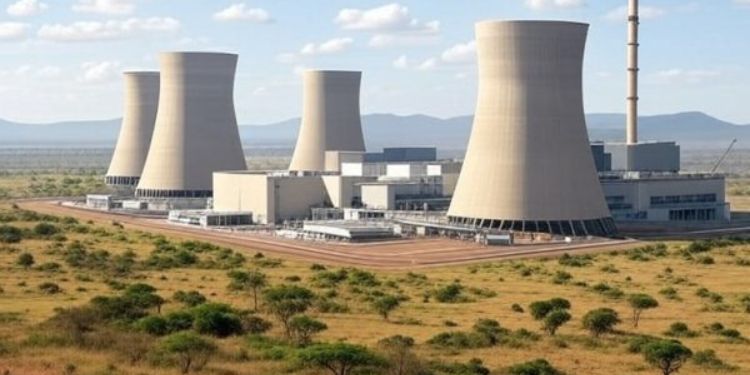
The proposed Siaya nuclear power plant has consequently become part of a wider national discussion about whether Kenya is prepared to embrace nuclear technology as part of its future energy mix.
Orengo on Public Confidence, Safety and Informed Debate
Governor Orengo’s position matters because nuclear energy requires public confidence, informed participation, and responsible leadership.
The decision to support such a project cannot be separated from the concerns that communities may have about safety, environmental protection, land, livelihoods and the management of nuclear facilities.
His insistence that the project must comply with legal and constitutional requirements is therefore an important part of the conversation. Support for nuclear energy should not mean ignoring legitimate questions.
Instead, it should create an opportunity for those questions to be addressed through proper institutions, credible scientific information, transparent engagement, and established regulatory processes.
The debate about nuclear energy also requires a distinction between fear and informed concern. Nuclear technology is complex, and its development carries responsibilities that cannot be treated casually.
Communities have a legitimate interest in understanding how nuclear facilities operate, how safety is maintained, how environmental protection is guaranteed, and how emergency preparedness is handled.
They also have a legitimate interest in knowing how a major energy project will affect their communities and what opportunities may arise from its presence.
These questions should form part of the national conversation because public understanding is essential to building confidence in any nuclear energy programme.
Education, Skills and Local Opportunity
The proposed nuclear power plant in Siaya therefore presents an opportunity to strengthen public education about nuclear energy.
Many discussions about nuclear power are influenced by limited information, historical experiences from other parts of the world and general perceptions about nuclear technology.
A responsible national conversation should provide communities with accurate information and allow qualified experts to explain the technology, safety systems, environmental considerations and regulatory requirements in language that ordinary citizens can understand.
Public participation should not be treated merely as a procedural requirement. It should be an avenue through which citizens receive information, ask questions and contribute to discussions concerning a project that will have long-term implications for their county and the country.
Nuclear energy also raises important questions about Kenya’s capacity to develop advanced technological expertise. The establishment of a nuclear power program would require professionals in engineering, science, environmental management, regulation, safety, security and other specialized fields.
This makes nuclear energy not only an electricity question but also a human capital question. Kenya would need to strengthen its institutions and develop the technical capacity required to manage nuclear technology responsibly.
Universities, technical institutions, research organisations and professional bodies would have an important role in preparing the workforce required to support such an energy programme.
For Siaya, the discussion about nuclear energy also carries a development dimension. A major energy project can create opportunities for local businesses, professionals, institutions, and young people when appropriate mechanisms ensure meaningful local participation.
The presence of advanced energy infrastructure can also encourage conversations about investment, skills development, infrastructure improvement and the growth of supporting economic activities.
However, these opportunities must be approached through clear policies and transparent arrangements so that communities understand how they can participate and what benefits they can reasonably expect from the project.
Environment, Oversight and Long-Term Planning
The environmental dimension must remain central to the nuclear energy conversation. The proposed location in Siaya makes environmental protection particularly important because of the county’s relationship with Lake Victoria and the surrounding ecosystems. Any nuclear development must therefore be guided by rigorous environmental assessment and strong regulatory oversight.
Protection of water resources, land and surrounding ecosystems should be treated as fundamental responsibilities throughout the planning, construction, operation and eventual decommissioning of the facility. Economic development and environmental protection should not be presented as opposing objectives. Responsible energy planning requires considering both together.
Governor Orengo’s support also highlights the importance of separating national development questions from partisan politics. Energy infrastructure has implications that extend beyond the tenure of an individual administration or the political interests of a particular party. Electricity infrastructure is built for long periods and its consequences can extend across generations.
This means that decisions about nuclear energy require leaders to consider the long-term interests of citizens rather than viewing every development initiative only through the lens of political competition.
The governor’s willingness to support the proposed project while maintaining conditions around legality, safety and public interest demonstrates how political differences can coexist with cooperation on matters of national development.
At the same time, support for nuclear energy should not eliminate scrutiny. A major project of this nature requires continuous oversight from government institutions, regulators, professionals, communities and other stakeholders.
Transparency is essential because public confidence depends not only on what authorities say but also on access the credible information and evidence throughout the development process.
Questions surrounding land, environmental protection, financing, safety, regulation and community participation must be addressed openly. Strong oversight should therefore be viewed as part of the foundation of a successful nuclear energy programme rather than as an obstacle to development.
Kenya’s nuclear energy ambitions also provide an opportunity for the country to strengthen its approach to long-term energy planning. The country already has experience with different forms of energy generation, but increasing demand requires continued consideration of additional sources and technologies.
Nuclear energy can be part of that discussion because, when properly developed and regulated, it can provide a consistent source of electricity.
The central question should therefore be how nuclear power can responsibly fit into Kenya’s wider energy system while maintaining high standards of safety, environmental protection, affordability and reliability.
The proposed Siaya project also places responsibility on national and county institutions to maintain constructive communication.
The national government is responsible for providing clear information and ensuring regulatory requirements are followed.
The county government must represent the interests of local communities and ensure residents are meaningfully involved. Communities have a responsibility to participate in public discussions and seek accurate information.
Professionals and civil society organisations also have a role in contributing informed perspectives. Such engagement can help ensure that disagreements are addressed through evidence and lawful processes rather than misinformation or political confrontation.
Institutions, Accountability and What Comes Next
The conversation should also recognise that nuclear energy is not simply about producing electricity. It is about building institutions that can manage sophisticated technology responsibly.
It requires a culture of safety, professional discipline, regulatory independence, scientific research and public accountability.
These requirements make the nuclear debate an opportunity for Kenya to examine the strength of its institutions and its preparedness to manage complex technologies.
The success of any nuclear programme would depend not only on the technology installed but also on the people, systems and institutions responsible for its management.
Governor Orengo’s position therefore places Siaya within a much larger national conversation about Kenya’s development direction.
His support does not remove the need for questions, scrutiny or public participation. Instead, it creates space to discuss those issues alongside the potential role of nuclear energy in Kenya’s future.
The challenge is to ensure that political support is matched by rigorous standards, credible information and meaningful engagement with the people who will live alongside the project.
The future of nuclear energy in Kenya should ultimately be determined through evidence, law, technical expertise, environmental responsibility and informed public participation.
Political leaders have an important role in creating space for such a conversation, but the technical and regulatory decisions must remain grounded in established standards and competent institutions.
This matters because nuclear energy demands a high level of responsibility and cannot be approached through political slogans alone.
For Siaya, the proposed nuclear power plant has opened a conversation about the county’s place in Kenya’s energy future. The project has highlighted the possibilities of advanced energy infrastructure while also raising important questions that deserve serious consideration.
The responsibility now lies with all stakeholders to ensure that the conversation remains informed, transparent and focused on the public interest.
Communities should have access to reliable information, experts should be given space to explain technical issues, and institutions should remain accountable throughout the process.
Governor James Orengo’s decision to support the proposed nuclear power plant therefore represents a significant contribution to the national conversation on nuclear energy.
His position demonstrates that political differences do not necessarily have to prevent cooperation on matters that concern the long-term development of the country.
At the same time, his emphasis on legal requirements and public interest reinforces the principle that support for nuclear energy must be accompanied by responsibility, transparency and proper oversight.
The discussion about nuclear energy in Siaya should consequently move beyond political divisions and focus on the substantive questions surrounding Kenya’s energy future.
The country needs informed discussions about energy security, technological capacity, environmental protection, public participation and institutional preparedness. Siaya has now become an important setting for that conversation.
Whether the proposed project ultimately proceeds will depend on the relevant legal, technical, environmental and regulatory processes, but the national discussion it has generated is already significant.
Nuclear energy requires a long-term perspective because decisions made today can influence the country for generations. Kenya therefore has an opportunity to approach the Siaya proposal with seriousness, openness and responsibility.
The focus should remain on ensuring that every stage of the process is guided by the law, scientific evidence, public participation and the highest standards of safety.
In this context, Orengo’s position has added an important dimension to the national debate by showing that support for development can coexist with demands for accountability and protection of public interests.
The future of nuclear energy in Kenya will ultimately depend on whether the country can combine technological ambition with institutional responsibility and public confidence.
This article was written by James Kilonzo Bwire, a Media and Communication Practitioner.
Follow our WhatsApp Channel and X Account for real-time news updates.


Comments
No comments yet. Be the first to share your thoughts.