
Kenya is a multi-ethnic nation built on diversity, shaped by a shared history, and united by the hope of a better future. From Lokichogio to Namanga, from the shores of the Indian Ocean to the vast plains of the Rift Valley, from the green highlands to the dry landscapes of northern Kenya, our country reflects a rich tapestry of cultures, languages, traditions, and experiences. Yet, beyond these differences lies a common identity: the pride of being Kenyan.
National pride and identity are more than patriotic expressions displayed during national celebrations. They are the values that define our relationship with our country and with one another. They influence how we treat our fellow citizens, how we protect our national heritage, and how we contribute to the future growth of our nation. For Kenya to achieve lasting unity, prosperity and sustainable development, national pride must become a shared responsibility for each citizen rather than a temporary feeling.
Embracing Kenya’s Diversity Without Division
Kenya’s cultural and ethnic diversity is one of its greatest strengths. Our different communities contribute unique traditions, languages, music, food, beliefs, and ways of life that enrich our national heritage. This diversity should be a source of pride and unity, not a reason for division and animosity.
The challenge facing the nation is ensuring that ethnic identity complements, rather than competes with, national identity. When political, social, or economic interests are pursued along tribal or regional lines, the bonds that unite citizens can weaken. Tribalism and ethnic discrimination create lasting barriers between communities that should be working together towards common goals.
A united country does not require its wananchi to abandon their cultural identities and diversity; rather, it calls upon every mwananchi to respect other communities while recognising that our shared citizenship and nationality place us on equal ground. We can celebrate our individual heritage while embracing a common national purpose.
True unity and positive cohesion begin when a Kenyan sees another Kenyan not as a rival from a different community or ethnic background, but as a fellow citizen deserving of dignity, opportunity, and respect.
Patriotism in Everyday Actions
People often express national pride and patriotism through the national flag, the national anthem, sporting achievements, and celebrations such as Jamhuri Day, Mashujaa Day, and Madaraka Day. These occasions and symbols remind us of our history, our freedom, and the sacrifices our forefathers made to secure the nation’s independence and development. Patriotism must extend beyond ceremonies, symbols and slogans. It should show up in our everyday actions.
A patriotic citizen respects the law, protects public property, rejects corruption, and treats others fairly. A student demonstrates patriotism by pursuing knowledge and developing skills that can contribute to national progress. A public servant demonstrates it through integrity and commitment to service. A businessperson contributes through ethical practices, job creation, and responsible investment.
National pride and patriotism require citizens to hold institutions and leaders accountable. Loving one’s country does not mean remaining silent when things go wrong. Constructive criticism, peaceful participation, and the demand for transparency are important expressions of responsible citizenship. A nation becomes stronger when its citizens care enough to identify problems and work towards solutions.
The Role of Leadership and Youth
Building a united Kenya is a shared responsibility, but leadership plays a particularly important role. Leaders at every level should promote fairness, inclusion, and equal opportunities, regardless of ethnicity, religion, gender, disability, or economic background. National resources and public services should benefit citizens equitably, while public institutions should uphold the principles of justice and accountability. When citizens feel recognised and included, their sense of belonging can grow. Conversely, exclusion, corruption, and persistent inequality weaken public confidence and deepen divisions.
Young people are not merely the leaders of tomorrow; they are active participants in the country today. The future of national unity will largely depend on whether the next generation learns to value both its cultural roots and its shared Kenyan identity.
National identity becomes meaningful when it translates into action. Protecting the environment, preserving historical sites, supporting local innovation, promoting peace, and respecting the rights of others are practical ways of demonstrating pride in Kenya.
We must also recognise that unity does not mean uniformity. Kenyans may disagree on political choices, social priorities, and development approaches. Such differences are natural in a democratic society. What matters is our ability to resolve disagreements peacefully, respect constitutional principles, and remember that our common future is greater than our differences.
The Constitution 2010
The Constitution of Kenya 2010 provides a shared framework and pathways for citizenship, national values, and the protection of fundamental rights. Its principles provide a strong foundation for building a nation that respects diversity and allows every individual to participate in nation-building.
National pride and identity are the foundation upon which a united and prosperous Kenya can stand. They remind us that, despite our different backgrounds, we share one country, one constitutional framework, and a common responsibility to safeguard our future.
The true measure of patriotism is not simply how loudly we proclaim our love for Kenya, but how faithfully we demonstrate it through our actions. It shows in our respect for one another, our commitment to the rule of law and justice, our abhorrence of corruption, and our willingness to work for the common good.
Finally, the question before us is not whether we are different; our diversity is undeniable. The question is whether we can transform that diversity into a lasting source of national strength
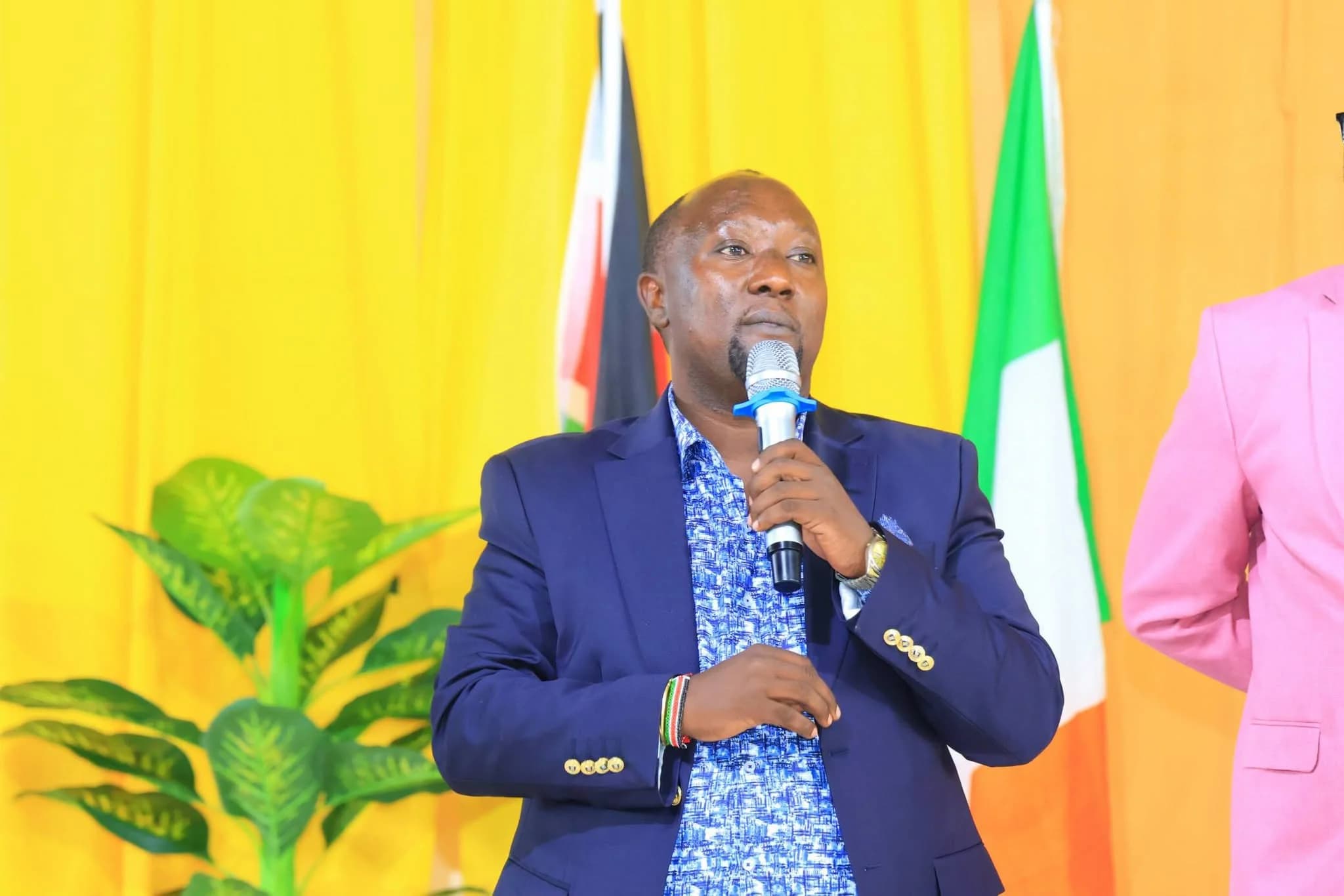
This article was written by Hon David Parseina, a management and Strategy Expert and Currently The National Chairperson Democracy For Citizens Party Kenya.
Follow our WhatsApp Channel and X Account for real-time news updates and our YouTube Channel for in-depth interviews.


Comments
No comments yet. Be the first to share your thoughts.