
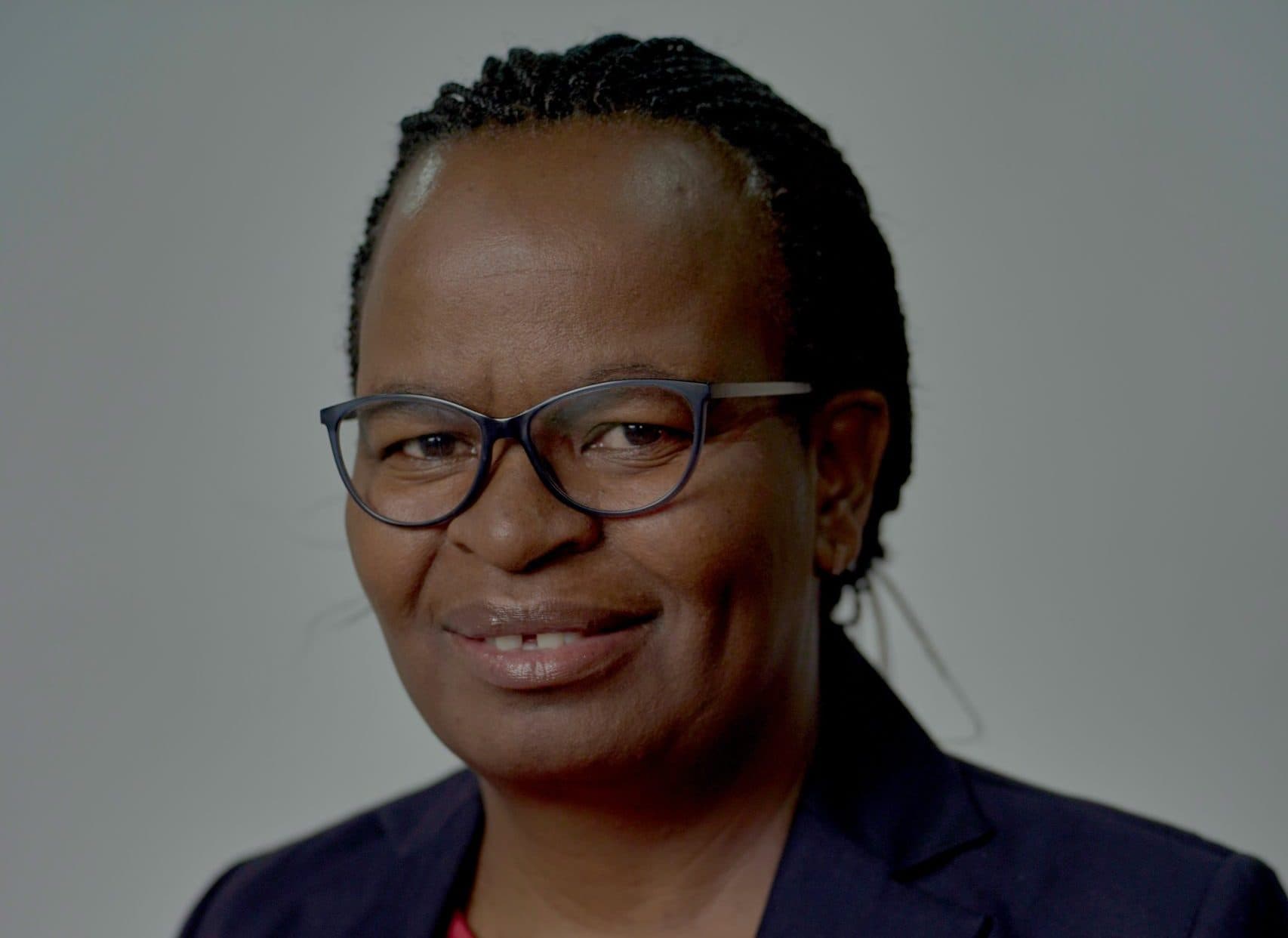
By Cecilia Makau
For a small business owner, every shilling invested in the business, whether in stock, machinery, employees, new outlets or new markets, carries risks but is essential for growth.
Insurance, however, is often treated differently. It is seen as a cost rather than part of the investment required to build a resilient business.
Kenya’s National Financial Inclusion Strategy 2025–2028 puts the proportion of adults using insurance products at only 6.3 per cent in 2024, against a target of 50 per cent by 2028.
These figures point to a wider problem that many people and businesses have limited capacity to absorb financial shocks.
For an SME, being uninsured does not remove risk but it means the business retains the financial consequences when something goes wrong.
Consider a manufacturer that depends on one critical machine. If the equipment is destroyed by fire or suffers a major breakdown, the loss is not limited to the cost of repair. Production may stop, customer orders may be delayed and revenue may fall. If the business has limited reserves, replacing the equipment could consume money that was intended for expansion.
Appropriate property, machinery breakdown and business interruption cover can help cushion such losses, depending on the policy terms.
The same principle applies across sectors. A retailer has stock to protect. A logistics company has vehicles and goods in transit. An agricultural business faces production risks. A technology company has growing exposure to cyber threats.
This means insurance should begin with a question about the business rather than a product: what could seriously disrupt our ability to operate and grow? The answer will differ from one enterprise to another.
There is also a growing need to consider risks created by digitalisation. SMEs are adopting mobile payments, e-commerce, cloud systems and digital platforms to reach customers and operate more efficiently. These technologies create opportunities for growth, but they also introduce exposure to cyber fraud, data breaches and operational disruption.
Insurance cannot replace good cybersecurity, employee awareness or sound internal controls. It can, however, form part of a wider risk-management framework.
A growing SME may depend heavily on its founder, a technical expert or an employee responsible for important customer relationships. Losing such a person unexpectedly can create financial and operational difficulties. For some businesses, key-person insurance can provide a financial cushion while the organisation adjusts.
Insurance does not automatically make an SME eligible for credit, but protecting assets purchased through financing can reduce the consequences of an unexpected loss. If machinery bought through a loan is destroyed by an insured event, for example, the business could otherwise be left with both an unproductive balance sheet and an outstanding repayment obligation.
This is why insurance should be considered alongside financing, cash-flow management and business continuity rather than as a separate compliance exercise.
The insurance market itself is changing. Data from the Association of Kenya Insurers shows that gross written premiums distributed through bancassurance rose from KES 19.5 billion in 2019 to KES 35 billion in 2023, a 79.4 per cent increase. Bancassurance’s share of insurance distribution also increased from 8.4 per cent to 10 per cent. Claims distributed through the channel rose from KES 6.5 billion to KES 14 billion over the same period.
The growth shows that financial institutions are becoming an important channel for insurance. But wider distribution should be accompanied by better understanding. An SME owner should know what a policy covers, what it excludes, how much protection is appropriate and what is required when making a claim.
This is particularly important because insurance is most valuable when a business is under pressure.
A fire at a production facility, theft of stock or a major accident can affect more than the damaged asset. Employees may be unable to work, customers may not receive orders and suppliers may face delays. For a small business with limited cash reserves, a prolonged interruption can quickly become a threat to survival.
Business interruption cover, where applicable, can help address certain losses arising from an insured event and support recovery, subject to the policy conditions.
The objective should therefore be to move insurance from the end of the business planning process to the beginning.
Entrepreneurs need to ask which risks they can prevent, which they can afford to retain and which should be transferred. Banks can make risk management part of conversations around SME financing. Insurers and intermediaries need to make products clearer, more relevant and easier for business owners to understand.
There is no single insurance package for every SME. A retailer, manufacturer, farmer and technology company will face different exposures. As the business changes, its insurance needs should change with it.
Ultimately, insurance is not about expecting something to go wrong. It is about recognising that something might and ensuring that one setback does not destroy years of investment.
For an SME, the real investment is much bigger than its machinery, stock or premises. It includes employees, customers, relationships, knowledge and the entrepreneur’s years of work.
Protecting that investment is not simply a cost. It is part of creating a business with the resilience to survive setbacks and the confidence to keep growing.
The writer is the Principal Officer and Head of Bancassurance at Credit Bank PLC
>>> CIC Insurance Group 2026 H1Net Profit Jumps 70.3% to KSh1.09Billion


Comments
No comments yet. Be the first to share your thoughts.