
The media has never been more powerful—or more important—than it is today. Through newspapers, radio, television, digital platforms and social media, information can travel across borders in seconds. The media can bring people closer together, shape public understanding, influence perceptions and, ultimately, contribute to the kind of world we build together.
In The Governance of China, Volume V, President Xi Jinping speaks about the challenges confronting humanity, including deficits in peace, development, security and governance, as well as the urgent need to protect our global ecosystem. These challenges cannot be addressed by nations acting in isolation. They require dialogue, cooperation, mutual understanding and a shared sense of responsibility.
And this is where the media has a vital role to play.
The media should build bridges, not walls.
Cooperation between nations should not be limited to trade, infrastructure and economic relations. It should also include people-to-people exchanges, youth exchanges, cultural engagement and cooperation among media professionals. These interactions allow people from different backgrounds to understand one another beyond borders and beyond stereotypes.
As President Xi Jinping has said: “We should uphold regional peace and strive for common security.”
The media can contribute to this goal by becoming an instrument of peace—across generations, cultures and nations. Journalists have a responsibility to tell stories that promote humanity’s shared aspirations for peace and development.
The media should communicate the values and experiences shared by people from different regions, cultures and beliefs. Through responsible storytelling, it can promote people-to-people exchanges and create opportunities for greater understanding.
But telling stories is not enough. We must tell them well.
We must ensure that real voices are heard. We must listen to communities rather than speak for them without understanding their experiences. We must be conscious of stereotypes and narratives that can create suspicion and division between nations and peoples.
Responsible journalism should encourage consultation, dialogue and mutual respect. It should tell stories that allow us to see not only our differences, but also our common humanity.
The media must also be a defender of fairness, justice and responsible public discourse.
In an age of misinformation and rapidly circulating information, journalists have an important responsibility to verify facts, provide context and present issues fairly. Coverage of developing countries and different regions of the world should be based on evidence and the realities experienced by their people, rather than assumptions or stereotypes.
The media can help create an environment in which countries and peoples engage with one another as equals. Through accurate and balanced reporting, it can contribute to greater understanding of global development and the changing international order.
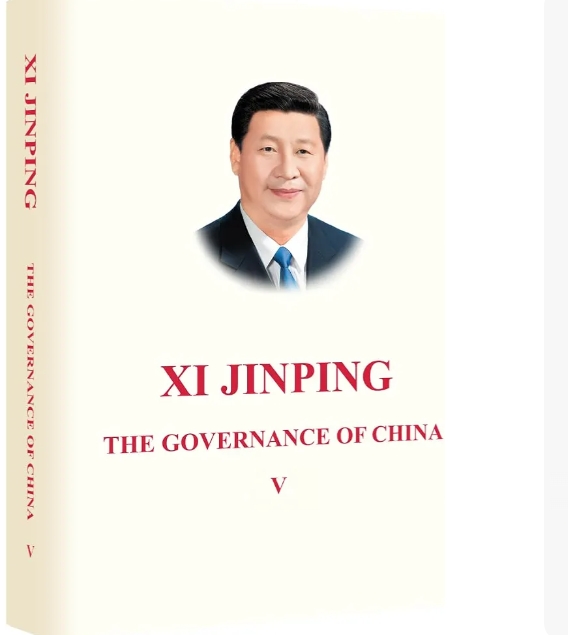
As President Xi Jinping has stated: “We must put the people first and ensure modernisation is people centred.”
This reminds us that development should ultimately be measured not only by economic figures or infrastructure, but also by how it affects people’s lives and opportunities.
The media must also serve as a platform for practical cooperation.
Initiatives such as the Belt and Road Initiative and the Global Civilization Initiative have placed emphasis on connectivity, cultural exchange and cooperation. Whatever the particular initiative or project, the media can play an important role by bringing attention to stories of cooperation, cultural interaction, innovation and development.
It can show what happens when people work together.
It can highlight partnerships that create opportunities.
And it can give visibility to efforts that promote open, innovative and inclusive development.
As President Xi Jinping has said: “We should focus on economic development and promote win-win co-operation.”
The phrase win-win cooperation is particularly important in today’s interconnected world. Our challenges increasingly cross national borders, and solutions therefore require cooperation that recognises shared interests and shared responsibilities.
But there is another responsibility that we cannot ignore: the protection of our planet.
Humanity’s future is inseparable from the future of the natural environment. Climate change, environmental degradation, biodiversity loss and other ecological challenges remind us that economic development must be accompanied by environmental responsibility.
The media has an important role in telling these stories.
Journalists can bring attention to environmental challenges, but they can also tell stories of conservation, innovation, sustainable development and communities working to protect nature. By doing so, the media can encourage people to understand that protecting the environment is not simply a responsibility for governments or organisations—it is a responsibility shared by humanity.
In President Xi Jinping’s words: “Lucid waters and lush mountains are invaluable assets.”
These words capture an important principle: nature has value, and protecting it is essential to our own well-being.
When we protect nature, we protect the conditions that sustain human life.
When we protect our environment, we invest in the future of generations yet unborn.
And when the media tells these stories effectively, it can inspire people to recognise that environmental protection is a shared obligation.
The media therefore has a responsibility that goes far beyond simply reporting what happens in the world.
It can build bridges instead of walls.
It can promote dialogue instead of division.
It can challenge stereotypes instead of reinforcing them.
It can give people a voice instead of speaking over them.
It can highlight cooperation instead of focusing only on conflict.
And it can remind humanity that development and environmental protection must go hand in hand.
A community with a shared future for mankind requires people to understand that our destinies are increasingly interconnected. The media can help create that understanding by telling truthful, balanced and meaningful stories about the experiences, aspirations and challenges that we share.
The task before journalists is therefore both important and demanding: to inform, to connect, to promote understanding and to contribute to a more cooperative world.
If the media uses its influence responsibly, it can become more than a channel through which information travels. It can become a bridge between cultures, a platform for dialogue, a catalyst for cooperation and a voice for our shared responsibility to future generations.
Ultimately, the future we build will depend not only on what governments do, but also on how people understand one another.
And the media has the power to shape that understanding.
Let us therefore use that power to build bridges, encourage cooperation, protect our shared planet and promote a future founded on peace, development, mutual respect and a shared sense of responsibility.
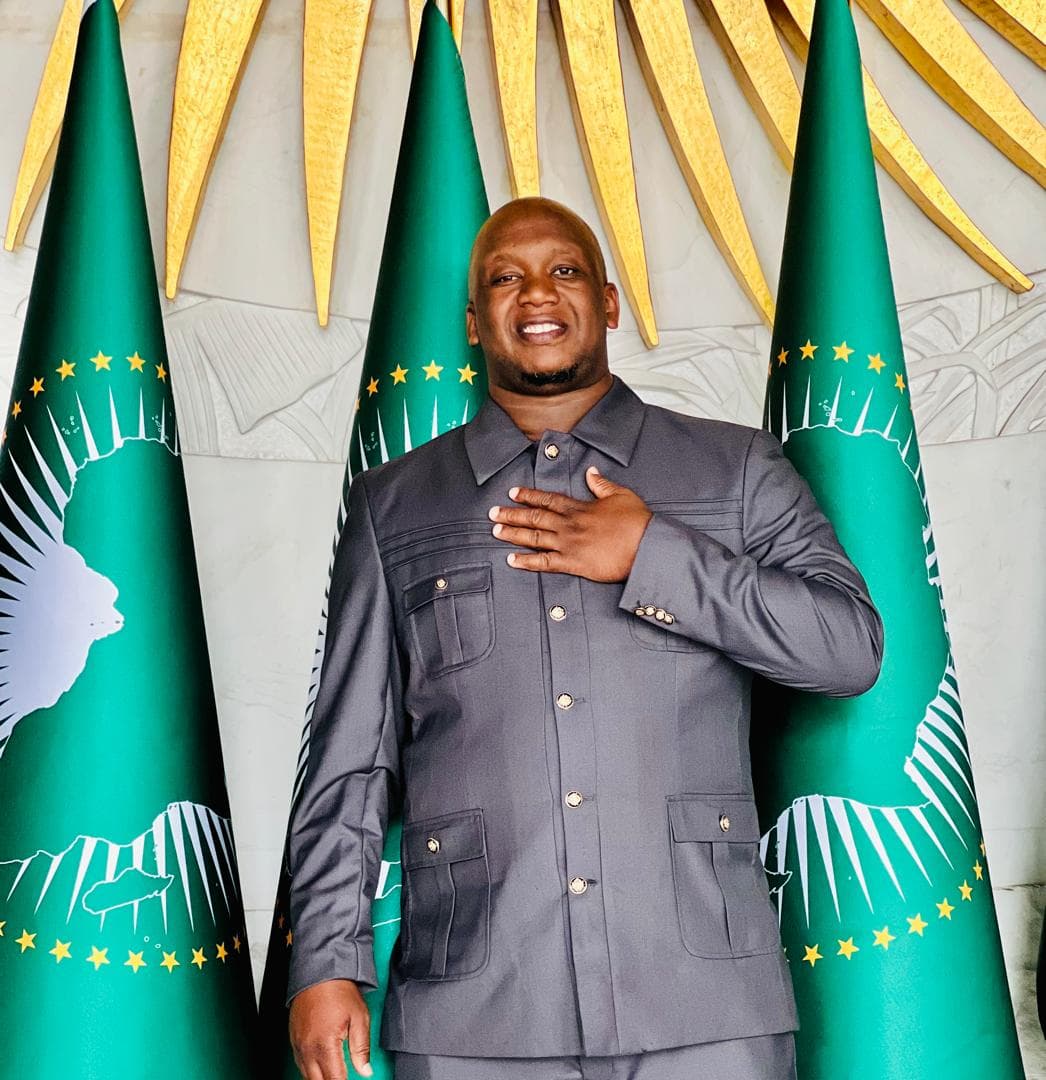
The writer was part of a team of Editors from Kenya who visited China in September through the invitation of the CICG Institute of International Studies and Advanced Training.
Comments
No comments yet. Be the first to share your thoughts.