
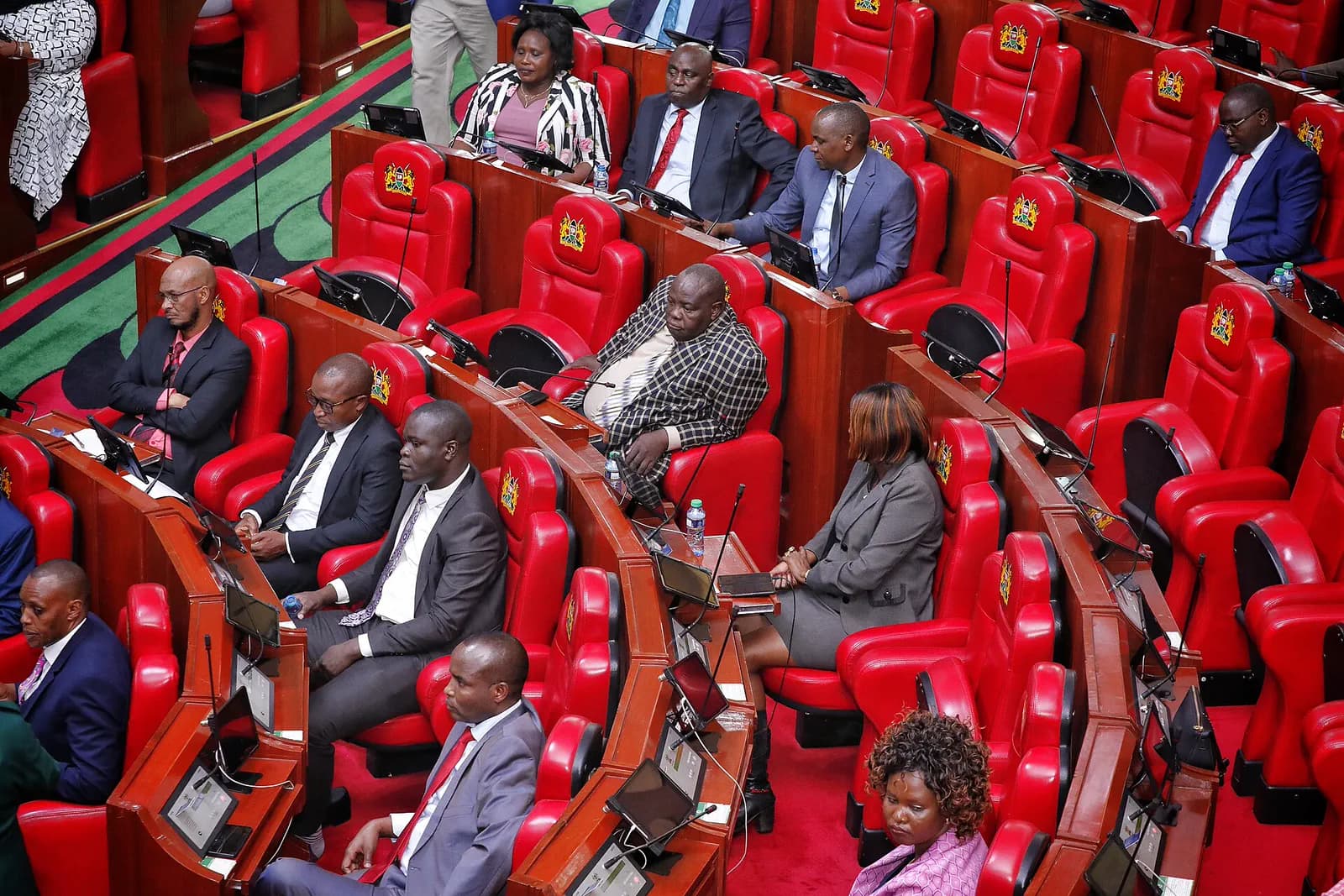
Kenya’s National Assembly passed the Elections (Amendment) (No. 2) Bill, 2024 on Thursday, October 22, 2026, taking the country a step closer to scrapping the legal obligation on the Independent Electoral and Boundaries Commission to livestream results announcements from polling stations.
The Bill targets Section 39 of the Elections Act, which governs how results are determined, transmitted and declared. It passed its third reading during a heated sitting that included votes on proposed amendments. The Senate approved the same Bill in December 2024 before sending it to the National Assembly, so the removal of the livestreaming requirement is now closer to enactment, though it is not yet law.
What the change would not do is equally important. Under the proposed wording, the IEBC would still be required to determine, declare and publish results immediately after polling closes. The framework for transmitting presidential results, verifying figures and publishing polling station result forms would remain. Results declared at polling stations would stay final, and the commission would keep its constitutional role of tallying and declaring the presidential outcome.
Livestreaming, electronic transmission and online publication serve distinct purposes in the electoral process. Removing the compulsory live feed would not by itself end transmission or the posting of results online. It would, however, end the legal guarantee that polling station announcements are broadcast live, leaving any such coverage to the commission’s discretion. Whether the IEBC would stream results voluntarily is not stated.
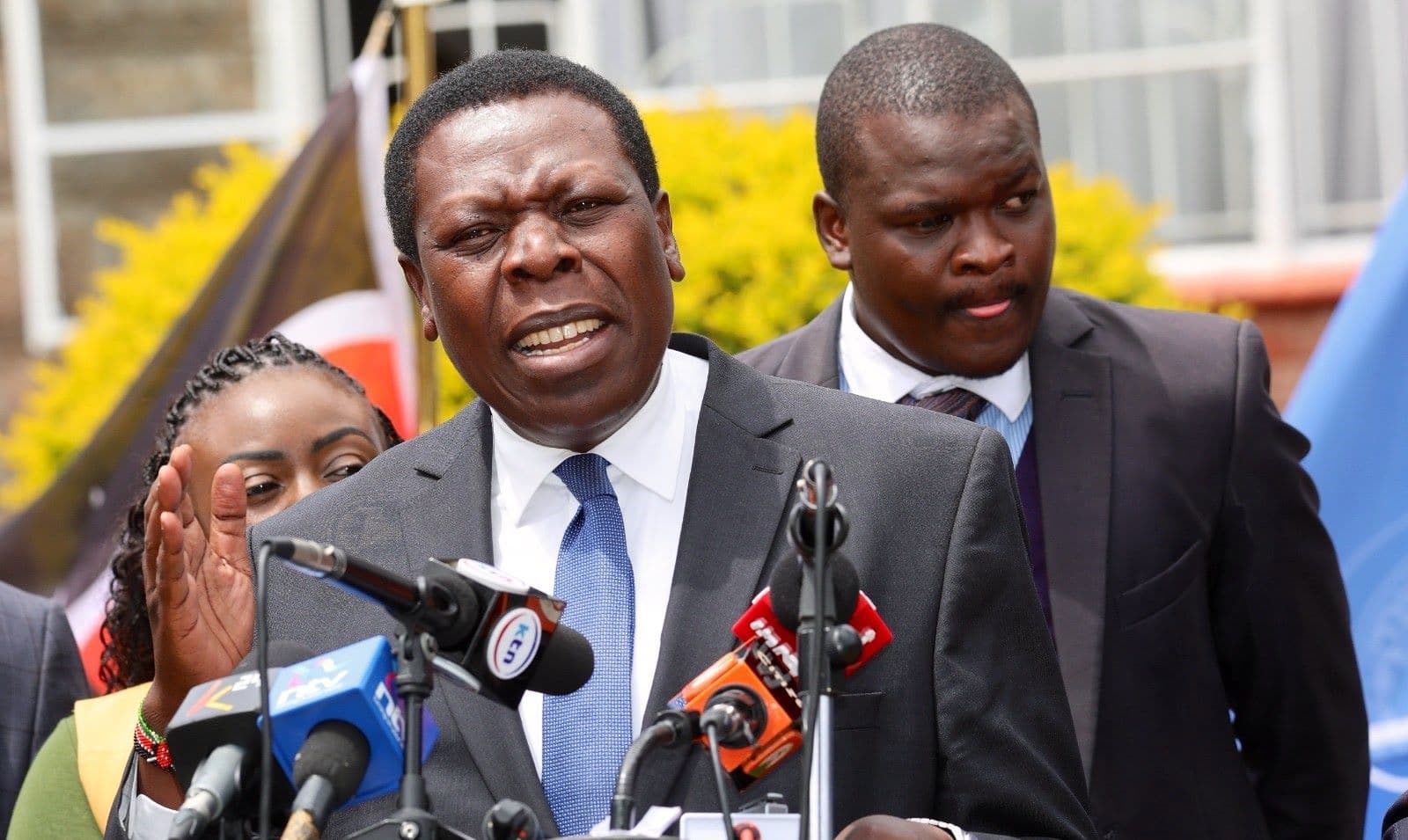
The debate exposed unease about the presidential results chain. Suba South MP Caroli Omondi questioned changes to that framework and called for scrutiny of how results are tallied, verified and communicated to the public. The wider question, contested and unresolved, is whether electronic transmission, published result forms, verification and official declarations would give the public timely access to results without a mandatory live feed.
The sitting also produced an unproven claim. Kirinyaga Woman Representative Njeri Maina alleged that non-Kenyans were being registered as voters and that identity cards had been issued to non-citizens. The Speaker demanded that she substantiate the allegation or withdraw it and apologise to the House. The outcome of that demand is not reported.
Electoral transparency has been a recurring public concern in Kenya since the disputed 2007 General Election. The 2010 Constitution sets out principles of free and fair elections, including transparency, impartiality, accuracy and accountability, and those principles frame how the remaining safeguards will be judged.
The Bill’s next legislative steps will determine whether the livestreaming requirement is formally struck from the law.


Comments
No comments yet. Be the first to share your thoughts.