
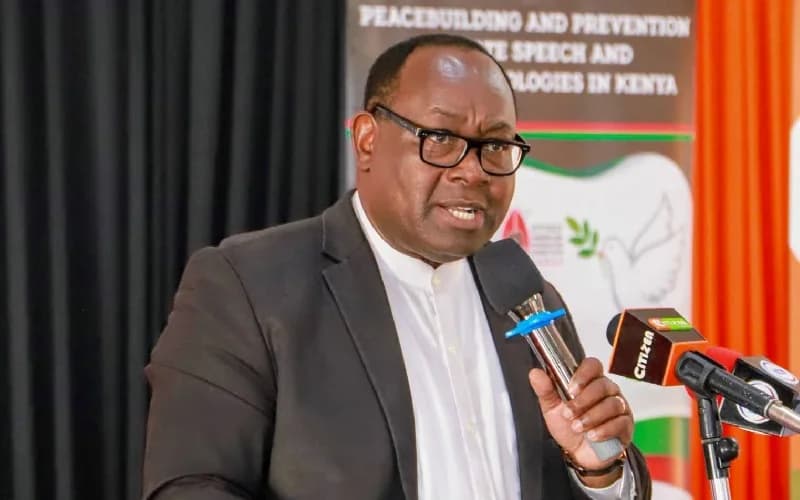
NCIC warns politicians against paying youth to spread hate speech ahead of 2027 elections

The warning comes amid concerns about the potential for political competition to fuel online hostility and violence, particularly where young people are mobilised to intimidate opponents.
Politicians are allegedly paying young people to spread hate speech, bully opponents online and intimidate rivals as Kenya heads towards the 2027 General Election, the National Cohesion and Integration Commission (NCIC) has warned.
NCIC commissioner Jerusa Mwadime said some politicians had shifted their tactics, using financial incentives to draw young people into online attacks and inflammatory political exchanges.
Mwadime urged young people to consider the consequences of their actions rather than accept money to target political opponents.
“Politicians should desist from using young people to fight their political wars by paying them to spread hate speech,” she said.
She also attributed public distrust of government institutions, including the NCIC, partly to inadequate public awareness of their mandates and what she described as incitement by politicians and activists.
She said the Commission had begun engaging stakeholders to educate members of the public and government officers on the roles of state agencies ahead of the elections.
Latest Stories
- Man fined Sh350,000 for fraudulent Kenyan passport, faces deportation
- Court of Appeal refuses to halt orders requiring Ruto to reconstitute Cabinet over two-thirds gender rule
- Nurses union urges Duale to release unpaid July stipends for interns
- Ruto issues personal apology to family of Rex Masai over protest death
The warning comes amid concerns about the potential for political competition to fuel online hostility and violence, particularly where young people are mobilised to intimidate opponents.
NCIC Director of Public Outreach and Education Kilian Nyamu said the Commission had issued warnings to politicians over hate speech and claimed the interventions had helped reduce its spread.
Nyamu said some politicians had been cautioned before making public statements, although he did not provide figures on the number of warnings issued or cases prevented.
He added that the commission had taken action against politicians suspected of promoting divisive messages, saying this had contributed to a decline in inflammatory public statements.
In Kilifi, Deputy County Commissioner Samuel Mutisya warned politicians against recruiting young people to threaten their competitors, saying the authorities would act against those involved.
Mutisya said the county had generally experienced relatively calm political conditions but acknowledged isolated incidents in which young people had allegedly been recruited to intimidate political rivals.

Comments
No comments yet. Be the first to share your thoughts.