
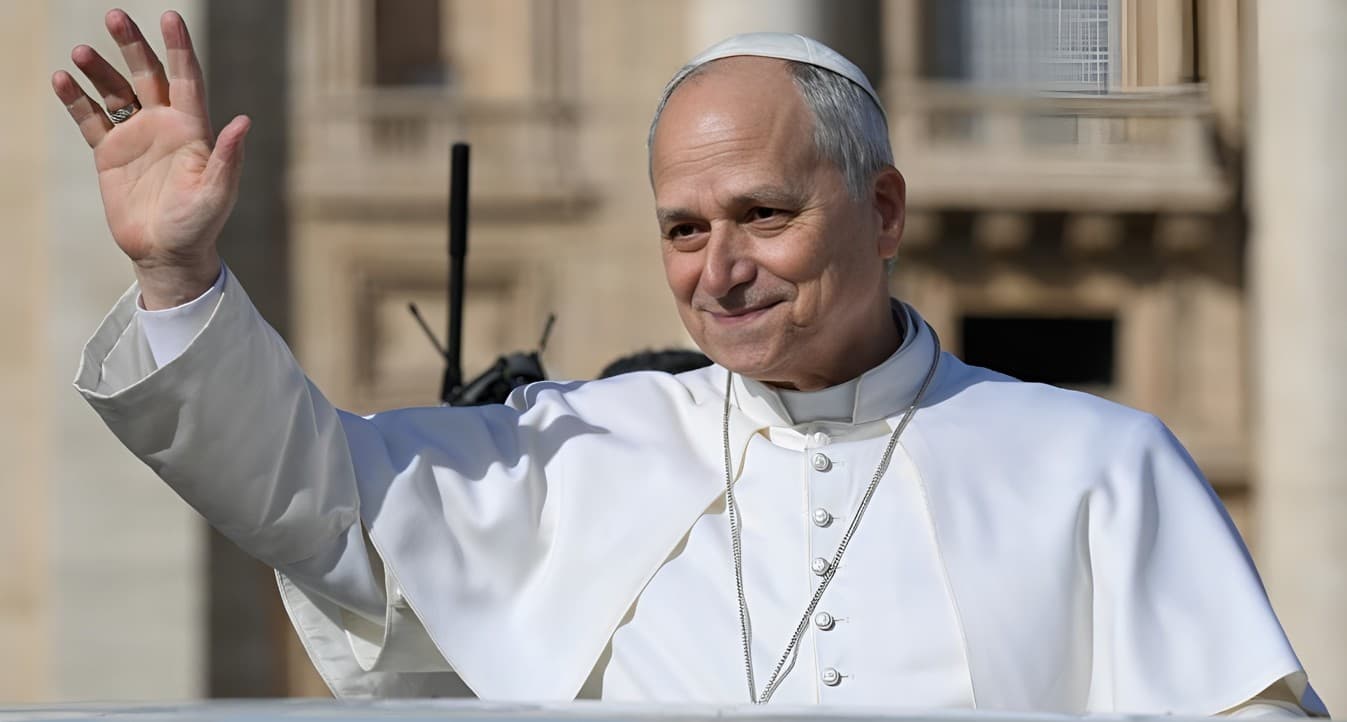
Pope Leo XIV makes history as first known Pope to vote while in office

The US midterm elections are held halfway through a president’s four-year term and determine which political party controls Congress, the country's legislative branch.
Pope Leo XIV has become the first known pontiff to cast a ballot in a national election while leading the Catholic Church, after voting by mail in the upcoming United States midterm elections.
The Vatican confirmed on Friday that the Chicago-born pope had submitted his ballot in Chicago, exercising his rights as an American citizen ahead of the November 3 elections.
According to the Holy See Press Office, Pope Leo had maintained the practice of voting whenever he was eligible, including during his years living in Peru.
“Pope Leo XIV has exercised his right to vote as a United States citizen whenever he was eligible to do so,” the Vatican said.
The announcement marks an unusual moment in the history of the papacy, with no previous pope known to have voted in a national election while serving as head of the Catholic Church.
The Vatican also used the announcement to highlight the importance of civic participation, with the pontiff encouraging eligible citizens to take part in democratic processes.
Latest Stories
- How poor planning, infrastructure gaps are threaten Africa's urban growth- World Bank
- Saudi Arabia suspends visas for travellers from Kenya over Ebola
- Supreme Court overturns Sh103 million award to firm in NSSF CCTV tender dispute
- Dockworkers in 22 countries strike to block arms shipments to war zones
“The Holy Father expresses his belief in the right and the duty of citizens to participate in democratic processes,” the statement added.
The US midterm elections are held halfway through a president’s four-year term and determine which political party controls Congress, the country's legislative branch.
The November 3 vote will see all 435 seats in the House of Representatives contested, alongside 35 of the Senate's 100 seats. Voters in 36 states will also elect governors, while other state and local positions will be decided.
Unlike presidential elections, midterms do not determine who occupies the White House. Instead, they can change the balance of power in Congress and affect how easily a president can implement his policies.
Republicans currently control both chambers of Congress, giving President Donald Trump support to advance his legislative priorities. Retaining that control would allow the party to continue setting the congressional agenda during the final two years of his term.
A Democratic takeover of either chamber would complicate that process. Control of the House would give Democrats greater influence over legislation, government funding and congressional investigations into the administration. Taking the Senate would also give them greater power over confirmations of presidential appointments.


Comments
No comments yet. Be the first to share your thoughts.