
Regulators warn against rushing Kenya's nuclear projects without meeting safety standards

The officials said the agreements would strengthen independent safety oversight, improve access to international emergency assistance and establish clear procedures for notifying other countries about nuclear accidents.
Nuclear regulators have warned against proceeding with nuclear energy projects without meeting safety requirements, stressing that joining international conventions would not automatically approve the construction of nuclear power plants or exempt projects from environmental assessments and public consultations.
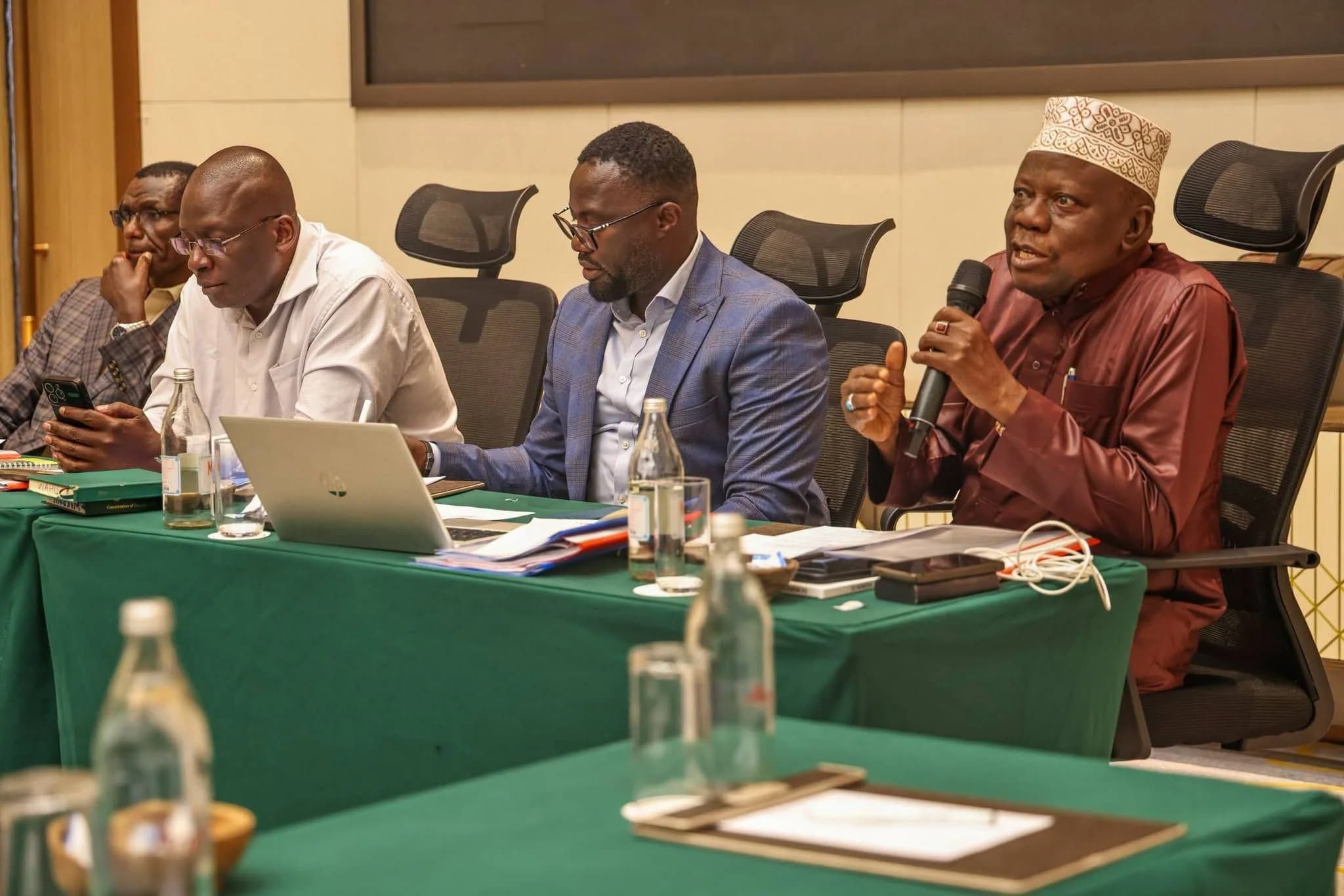
Appearing before the National Assembly’s Departmental Committee on Energy and Petroleum during two days of stakeholder hearings in Machakos County, officials from the Kenya Nuclear Regulatory Authority (KNRA), led by Director General James, urged the legislators to support Kenya’s proposed accession to four international nuclear safety conventions.
The officials said the agreements would strengthen independent safety oversight, improve access to international emergency assistance and establish clear procedures for notifying other countries about nuclear accidents.
The hearings brought together regulators, disaster management officials and legal experts to assess the country’s readiness to expand nuclear energy while promoting renewable energy development and protecting public safety.
KNRA also clarified that KenGen, which has been identified as the prospective owner and operator of a nuclear power plant, had not formally applied for authorisation to design or construct a nuclear power plant or research reactor.
The authority maintained that accession to the conventions would not remove existing legal requirements or give automatic approval for nuclear projects. It described the agreements as important safeguards for building public confidence and aligning Kenya with international nuclear safety standards.
Latest Stories
- African countries could save billions by cutting air pollution and greenhouse gases at the same time
- Nominated Senator Crystal Asige joins Winnie Odinga and Jalang’o in Nairobi Senate race
- Tusker FC suffer home defeat as Singida strike puts CAF Confederation Cup hopes at risk
- Ecuadorian priest dies after giant wooden crucifix crashes down on him during live-streamed Mass
However, the legislators questioned the authority’s public visibility, funding and placement within the Ministry of Health, raising concerns over its ability to carry out its responsibilities as the country considers nuclear energy development.
Nyatike MP Tom Odege challenged KNRA to demonstrate its national relevance, warning that competing priorities within the health sector could affect its budget.
“The Minister of Energy is pushing very fast to have nuclear energy for the country, while you are hibernating somewhere in a corner,” Odege said, calling for stronger institutional positioning.
Ruiru MP Simon Kingara also urged the regulator to step up public education, warning that poor engagement with communities could undermine plans to develop nuclear facilities.
Kingara cited concerns in areas that could potentially host nuclear projects, including Siaya and Kwale counties. He called on KNRA to explain the implications of hosting nuclear facilities to communities that may be affected by the plans.
The committee also heard from the National Disaster Management Unit (NDMU), whose director, Dr Dan Ochieng, described Kenya’s proposed accession to the nuclear safety conventions as an “operational necessity.”
Ochieng said the agreements would be important in securing timely international alerts and coordinating emergency responses in the event of a nuclear incident.
However, he cautioned that “large-scale solar installations and battery energy storage systems also posed safety risks, including fires and the release of toxic gases.”
He recommended mandatory disaster risk assessments, automated gas detection systems, safe separation distances and specialised training for county firefighters to improve their ability to respond to emergencies involving the installations.
Meanwhile, the Office of the Attorney General indicated that changes to the law could make it possible to move KNRA to a more suitable ministry.
The proposed legislative amendments would take into account the authority’s responsibilities in both medical applications and nuclear energy development.
The hearings brought together concerns over regulatory capacity, community awareness and emergency response as Kenya considers the international agreements and measures needed to strengthen safety in nuclear and renewable energy development.



Comments
No comments yet. Be the first to share your thoughts.