
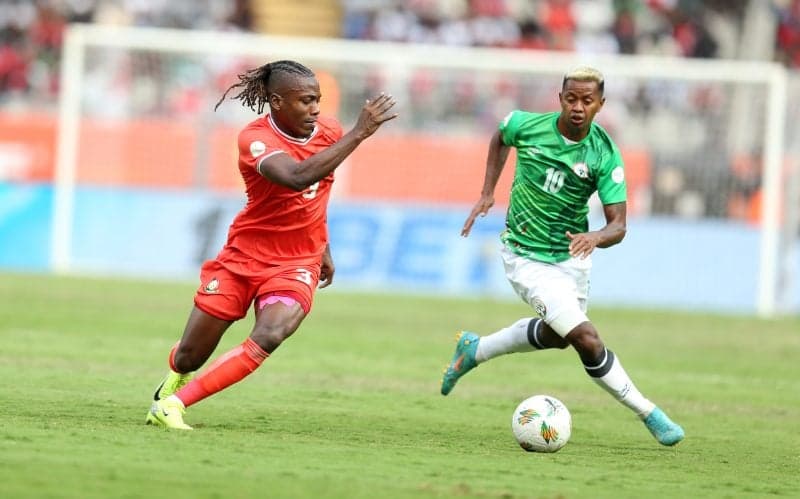
NAIROBI, Kenya, September 19, 2026 – On Friday night, teams were ready to kick off the league, matchday kits were pressed, and fans across the country were readying their voices for the long-awaited September 19 kickoff of the 2026/27 FKF Premier League.
Then, in the middle of the night, a midnight email from the Football Kenya Federation (FKF) hit club inboxes: The league is postponed until further notice.
This third consecutive postponement, triggered by contradictory High Court rulings in Murang’a and Kiambu over promotion, relegation, and rulebook disputes involving Kariobangi Sharks and Mombasa United, has pushed Kenyan domestic football into total disarray.
For the players whose livelihoods depend on the pitch, patience has officially run out.
Taking to social media, domestic stars have launched a scathing wave of criticism against administrative incompetence, laying bare the real human and tactical cost of Kenya’s endless legal gridlock.
Veteran defender and Tusker FC Captain Abud Omar Khamis did not hold back in a candid Facebook post, taking a painful look at how far local football has fallen over the last decade.
“10 years ago, the Kenyan Premier League was among the better leagues in Africa. We were ranked around the top 20 on the continent, and a big part of that was proper management and the professional standards that came with SuperSport,” Omar wrote.
He added: “But look at where we are today. Many of our neighbouring countries have moved ahead of us because they have invested in better management, infrastructure and professionalism, while our league continues to struggle… We have continental competitions and national team games coming up. How are we supposed to compete at the highest level when we can’t have enough competitive matches to maintain our fitness and sharpness?”
Rising talent, Kevin Wangaya echoed that sense of exhaustion on Instagram, pointing out the immense personal strain placed on athletes who spend months conditioning for matches that never happen.
“It is incredibly disheartening to see months of dedicated training and preparation being sidelined by administrative delays,” Wangaya posted.
He continued, “We have invested significant time and energy into being ready for this league, and the constant cancellations due to court disputes are completely undermining our hard work. We urge the federation to prioritize resolving these disputes and provide us with a stable, reliable schedule that respects the commitment of the athletes.”
With the upcoming FIFA international window approaching and the domestic calendar now frozen until at least late October, the administrative backlog presents a direct crisis for national team preparations.
As Kenya co-hosts AFCON 2027 alongside Uganda and Tanzania, domestic fitness is supposed to be the bedrock of Harambee Stars’ readiness.
While rival East African nations in the Pamoja bid run organized, high-intensity domestic leagues, Kenya’s local talent pool is being forced into extended, competitive dormancy.
Without match sharpness, match-fitness conditioning, or tactical continuity, home-based players selected for international duty will enter crucial qualifiers and test matches at a severe physical disadvantage.
You cannot build a continent-conquering national team on a league frozen by court injunctions.
What was once celebrated as one of the most vibrant, commercially attractive leagues in Sub-Saharan Africa is rapidly devolving into an administrative cautionary tale.
The financial fallout of constant, midnight cancellations is staggering
Clubs are burning through millions of shillings booking travel, accommodations, and venue rentals for matches that get called off hours before kickoff.
Sponsoring corporate entities and broadcast partners cannot build sustainable commercial models around a league schedule dictated by weekly court hearings rather than a fixed calendar.
As neighboring leagues in Tanzania and Uganda offer financial stability, clear calendars, and modern infrastructure, Kenya’s top talents are increasingly incentivized to look across borders just to play football.
The court hearings set for late September will determine the legal technicalities of rulebooks and playoffs.
But for the players, clubs, and millions of passionate fans, the verdict is already in: until Kenya’s football administrators put the sport above courtrooms, the country’s domestic game will remain stuck in reverse while the rest of Africa moves forward.

Comments
No comments yet. Be the first to share your thoughts.