
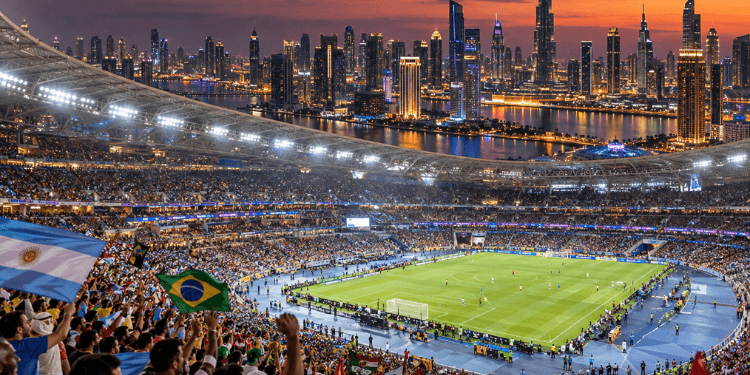
Within just a few weeks, a major sporting event can make an unknown city a household name worldwide. Cameras are everywhere; tourists walk the streets, and images of the city are broadcast to distant countries.
Although the games end soon enough, they can make people see the city differently for years to come. A successful sports event gives people a good reason to remember the city and maybe even visit it someday.
Sports fans also watch tournaments in ways that go beyond watching games. Some analyse team form and try to predict outcomes for sports betting before a match. For adults using mobile sports betting apps, one option is the Melbet APK, which offers access to in-play markets during tournaments. Users can check available odds and follow changes in betting markets as new information about the teams becomes available.
International Attention Can Change a City’s Image
Not only is the scoreboard displayed on a global telecast, but there is also footage of public squares, harbors, and the surrounding streets of the stadium between games. The commentators tell tales of local traditions and practices, and the viewers may start to associate the host nation with an environment that they have never been exposed to before.
Fans who watch everything closely usually check the lineups and match information several times a day. Others take part in discussions about betting odds due to changes in form. For those who already have an account, Melbet log in can become a regular part of their routine before they check the available sports markets. At the same time, discussions about visiting teams, match venues, and festivities help spread the city’s name in the world of sports.
Hosting the Olympics isn’t the only way for a city to gain exposure. Competitions such as regional championships, running events, and continental athletics events can help expose the city to a targeted audience beyond its borders. A good example is Djibouti.
Visitors Bring New Opportunities to Local Businesses
When competitors come to town for a big competition, they will need accommodation and food. They also buy transportation and tour tickets, as well as make regular purchases. The crowded competition week will see customers at places with little connection to the business and sports. The advantage for a restaurant next to the stadium might be group meals after the final whistle blows. For a taxi driver, it will be a constant flow of strangers to the area.
The degree of benefits a city may get is dependent on the activities of the visitors when they are not competing. Well-placed signs and good transport infrastructure will help visitors access parts of the city beyond the stadium. It will help cultural sites and retailers to attract more visitors.
| Area of city life | Possible benefits from hosting |
| Tourism | New interest in local attractions |
| Hospitality | More visitors to hotels and restaurants |
| Transport | Better connections around event venues |
| Local commerce | Greater exposure for small businesses |
| Cultural life | Opportunities to share local traditions |
What Brings Visitors Back
After the first trip to see football, visitors can return on vacation. The good people, good food, and good places will always stay in your memory. Personal testimonies can pick up where television leaves off. Personal testimonials from tourists who have successfully visited will encourage their friends to visit as well.
As for the city of Djibouti, the sports aspect can enhance other tourism attractions, such as its geographical location relative to the sea and the Gulf of Tadjoura. The race organisers can introduce businessmen to the city with simple travel tips.
Event Planning Can Improve Everyday City Life
The organization of the event means that there will be a deadline set for certain tasks. The roads around venues might need repair or cleaning, and organizers should think about safe paths for people to take. Improvements that help people after the event are especially useful.
Preparations often give city officials a chance to prioritize practical improvements:
- Ensure that walking paths and access to sports grounds are restored.
- Improve visitor access to transport services information.
- Train local staff to greet visitors and handle huge crowds.
- Prepare public places for community use after the event.
All the above aspects are crucial because, whereas an event is transient, the town will continue to function each day. People can get the most value from these plans when they consider how the facilities integrate with existing neighbourhoods.
A Stronger Place for Local Sport
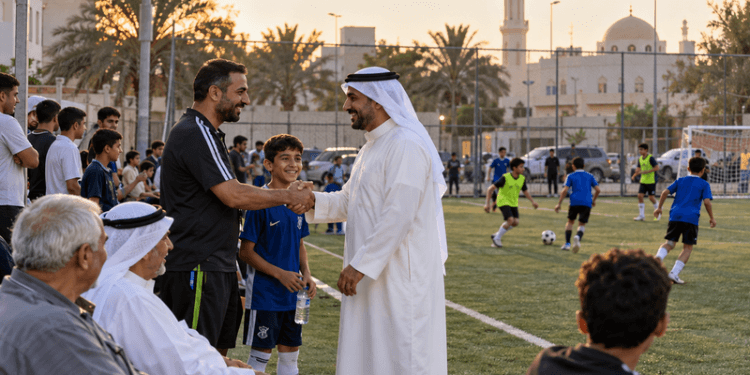
The local youth could feel an added affinity towards competitions that are organized near their homes. Matches involving skilled visitors could give them hope that international sports are achievable, too. Coaching classes and tournaments could build on this enthusiasm, and officials would gain experience in hosting contests.
Road running is a concept that gives concrete application to this idea in Djibouti. This city has hosted an international half marathon for runners from nearby countries as well as those from farther away. This way, competitions are held so that runners can participate without necessarily having to go abroad.
A City Gains More Than Media Coverage
When international sports events take place, they connect people who would never have met had it not been for that particular event. There is communication between the club administration and the organizing committee from another country.
The hotels are familiarized with the expectations of the foreign clients for their stay. All of this happens during simple conversations, especially when there is enough time to explore the city.
Public image is another important factor. Some hosts establish themselves as lively cities during an international tournament. Other cities build an image of strong volunteer programs or excellent sporting facilities. These kinds of images can be established through some specific decisions:
- Share stories of athletes from your area and their training grounds.
- Provide visiting media with accurate information about your host city.
- Involve community organizations in the celebration events.
- Stay in touch with the organizers of your event even after they leave.
Lessons From Established Hosts
Barcelona is one of those cities that used the 1992 Olympics to its advantage in urban development. Efforts to renovate the waterfront and industrial zone significantly influenced how tourists perceived the city. The experience in Barcelona reveals how interest in sports can accompany changes that locals appreciate.
Smaller host cities can use the same concept on a smaller scale. They may focus on a regular race, good training facilities, or tourist infrastructure instead of spending money on an unnecessary building. A feasible event held repeatedly will eventually become part of the city’s identity. It becomes more recognizable each time.
The Reputation That Remains After the Event
Even the noisiest crowds will, at some point, move out, but the memories they take along might live on. It is in the participants’ memories, apart from the outcome on the field, that the city hosting them acquires its reputation.
Well-paved roads, easily accessible facilities, and meeting locals create the context for sports tales. For Djibouti, consistent investment in successful sporting events could attract new people to the city.


Comments
No comments yet. Be the first to share your thoughts.