
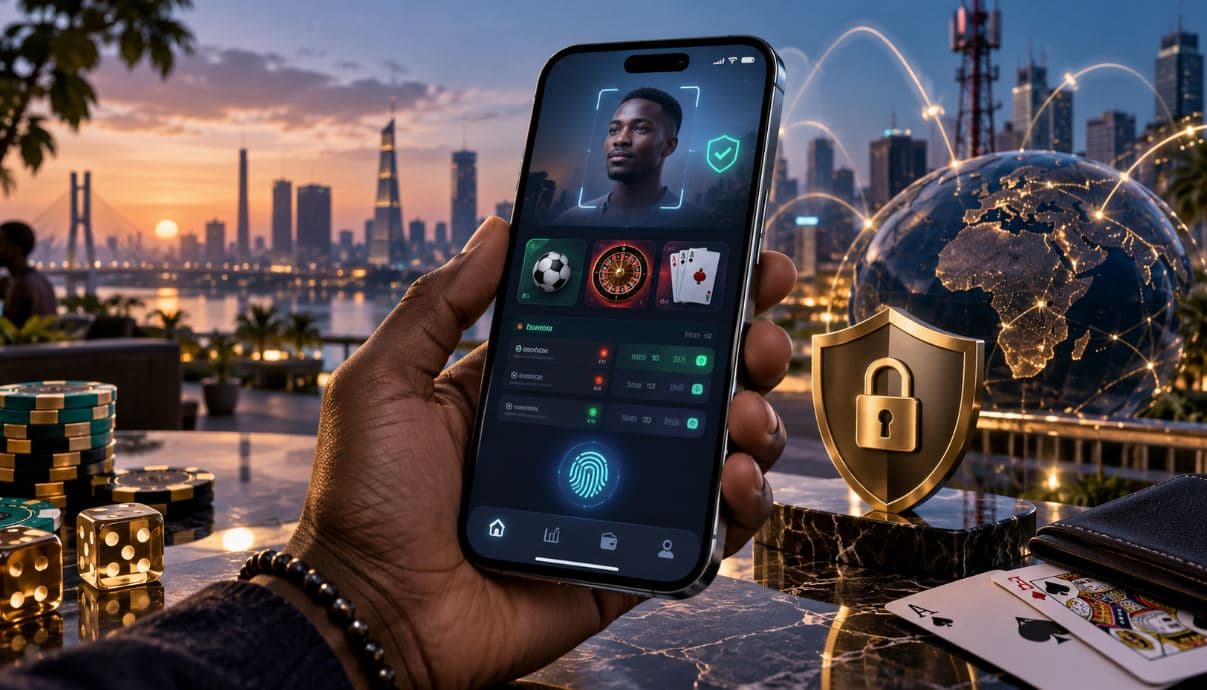
Five years ago, most online casino sites were built for desktop screens. Big graphics, heavy flash animations, huge side menus.
That setup works fine if you have a high-speed fiber connection and a big monitor. But across emerging digital hubs in Africa, Southeast Asia, and parts of South America, things evolved on a totally different path. People skipped buying home computers altogether. They bought smartphones instead.
When your entire user base accesses digital entertainment through a five-inch touchscreen on a mobile network, traditional software design falls apart fast. Network coverage jumps around. Data costs money.
If a page takes eight seconds to load because of uncompressed graphics, users just close the tab and move on.
Technical Adaptation for Regional Mobile Networks
That reality forced digital gaming platforms to completely rebuild their backend tech. The goal shifted from making sites look flashier to making them run lean. Developers stripped out heavy client-side scripts, compressed graphics libraries, and set up local edge servers to cut down lag.
Now, a player on a budget Android device running a spotty 3G connection can load a live sports feed or a slot lobby almost instantly.
Mobile-First UX and Lightweight Navigation Patterns
Speed is only half the battle, though. Keeping platform access smooth and reliable matters just as much. Complex sign-up forms and clunky navigation menus cause major drop-offs, especially when thousands of users try to interact with a platform at the exact same time right before a big match starts.
Mobile platforms fixed this by simplifying how users navigate their accounts.
When operators build interfaces for specific regional markets, they design lightweight portals like ForteBet Zambia so players can switch between live odds, virtual games, and account settings without draining mobile data or hitting constant loading screens.
Frictionless Authentication and Account Access Flows
Security protocols had to change, too. Nobody wants to type long passwords or deal with four-step email confirmations on a small touchscreen.
Modern platforms moved toward low-latency authentication systems. Streamlined gateways like ForteBet Login use saved device tokens, quick pin checks, and fast credential prompts to get users into their accounts securely without overloading server capacity during peak hours.
Localized Payments and Modern Content Optimization
Payment integration went through a similar shift. Credit card penetration stays fairly low across many developing regions. Mobile money, direct carrier billing, and local e-wallets completely dominate the space.
By hooking platform APIs straight into local mobile money services, operators let users process small deposits and fast withdrawals instantly without ever leaving the game interface.
Game studios are building directly for this mobile-first reality now. Instead of wide horizontal layouts made for desktop monitors, new slots and virtual games run natively in portrait mode. Buttons are placed within thumb-reach.
Crash games and lightweight multiplayer titles have surged in popularity precisely because they use tiny amounts of data while keeping round times fast.
Summary
At the end of the day, digital entertainment comes down to friction. Operators that strip away loading delays, simplify login steps, and support local mobile payments will keep expanding, while platforms relying on old desktop designs simply get left behind.



Comments
No comments yet. Be the first to share your thoughts.