
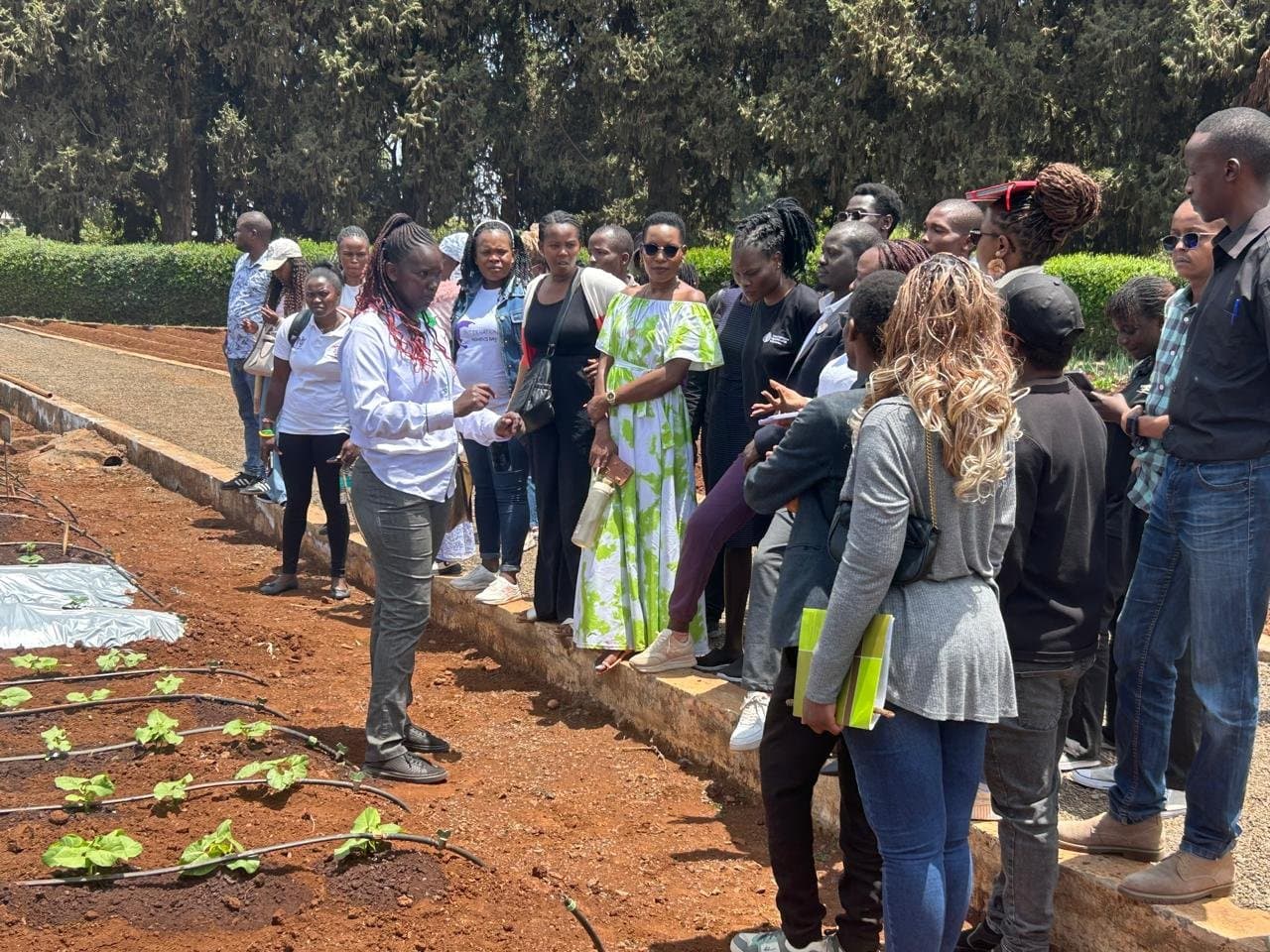
CDRFI Africa Forum, a platform that brings together governments, insurance regulators, development partners and insurance market actors aims to more than advance climate and disaster risk financing across Africa.
Forum wants to tap practical experiences from countries at different stages of developing while implementing disaster risk financing frameworks.
According to Dr. Protazio Sande, Interim Chairperson of the East Africa Insurance Supervisors Association and Acting Chief Executive Officer of the Insurance Regulatory Authority of Uganda, said the challenge was to turn shared responsibility into shared action.
He encouraged each delegation to take at least one action following the conclusion of the two-day forum that took place in Nairobi, and report on mplementation when participants next convene.
Call to action mandates ZEP-RE, a specialised institution of COMESA and a
pan-African reinsurer, to support the design, establishment and operationalisation of a thematic risk pool to provide the capacity required to protect public assets and critical infrastructure against climate and disaster risks.
“Countries have called for financial protection to safeguard public assets before disaster strikes,” Hope Murera, ZEP-RE Managing Director and Group Chief Executive Officer, said.
The CDRFI Africa Forum was held alongside the 8th Annual East Africa Insurance Regulators and ZEP-RE Strategic Forum.
Participating governments led the launch of a government-led, peer-to-peer Community of Practice on Climate and Disaster Risk Finance and Insurance in Africa.
The Community of Practice will provide a platform for governments to share experience, strengthen technical and institutional capacity, and translate the commitments of the Zanzibar Declaration into practical action.
The platform will also support market development and the design of practical
financial protection solutions for resilient critical public infrastructure.
“Through the Community of Practice,
participating countries will be able to voluntarily share tested approaches to
designing and implementing national disaster risk financing strategies,” said Principal Secretary, State Department for Economic Planning Dr. Boniface Makokha.
He added that these approaches could include protecting critical public infrastructure through pre-arranged financing, regulatory alignment and complementary regional risk-pooling mechanisms for climate and disaster-related risks.
Stakeholders are really looking to see whether at least over the next several years, what this latest summit has promised will see light of day. From a value perspective, African countries, for now, need to protect their public assets and critical infrastructure, even as they strive to trengthen climate and disaster risk financing.


Comments
No comments yet. Be the first to share your thoughts.